A dead battery usually shows up at the worst time – before work, in a crowded parking lot, or while you are trying to leave after dark. If you are searching for car battery jump start Tulsa help, the first priority is simple: stay safe, confirm the battery is really the problem, and get the vehicle started without creating a bigger issue.
Battery trouble can feel random, but it usually leaves clues. Maybe the engine clicks once and does not turn over. Maybe the lights come on but look weak. Maybe the dashboard flickers, or the car does nothing at all. Those details matter because not every no-start situation is a battery problem, and trying the wrong fix can waste time when you need to get moving.
How to tell if you need a car battery jump start in Tulsa
A jump start helps when the battery has enough life to accept a charge boost and the rest of the starting system is working. If the engine cranks slowly, interior lights are dim, or you left the headlights on, a jump is often the right first step. Cold weather can make a weak battery fail, but so can heat, age, corrosion, and short trips that never fully recharge it.
If you turn the key or press the start button and hear a rapid clicking sound, that often points to low battery power. If there is one solid click and no crank, the battery may still be the issue, but it could also be the starter. If the vehicle has full electrical power but still will not crank, the problem may not be the battery at all.
This is where a lot of drivers lose time. They assume every no-start means a dead battery, try a jump, and then find out the real problem is elsewhere. A careful roadside check saves frustration and helps you decide whether a jump start or a tow makes more sense.
When a jump start makes sense and when it does not
A jump start is the practical answer when the battery is drained but otherwise usable. That can happen if a dome light stayed on overnight, a phone charger kept drawing power, or the battery is simply getting older and weaker. In these cases, a boost can get the vehicle running again, at least long enough to reach a repair shop or get home safely.
It does not make sense to keep forcing jump starts on a battery that is failing outright. If the car starts with a jump and then dies again soon after, the battery may no longer hold a charge. It could also point to an alternator problem. If the terminals are badly corroded, the cables are loose, or there are signs of battery damage like swelling or leaking, that is not a roadside experiment situation.
Hybrid and newer vehicles also require more caution. The basic idea of a jump start is familiar, but the connection points and procedures can differ by make and model. Getting it wrong can damage sensitive electrical systems. When there is any doubt, professional roadside assistance is the safer move.
What to do first if your battery dies
Start by putting the vehicle in park and turning on your hazard lights if you are near traffic. If you are stopped on a shoulder, near an exit ramp, or in a busy lot with limited visibility, your safety matters more than speed. Stay aware of where you are standing, especially around moving cars.
Next, turn off everything drawing power – headlights, radio, climate control, and chargers. Check for obvious battery clues like dim cabin lights or a weak horn. If you have jumper cables and another vehicle available, only proceed if you know the correct process and the area is safe enough to work in.
If you are in a tight parking garage, on a narrow roadside, or in heavy traffic areas like I-44 or US-75, doing it yourself may not be worth the risk. In those situations, calling for roadside help is often faster and safer than trying to solve it under pressure.
The right way to handle a jump start
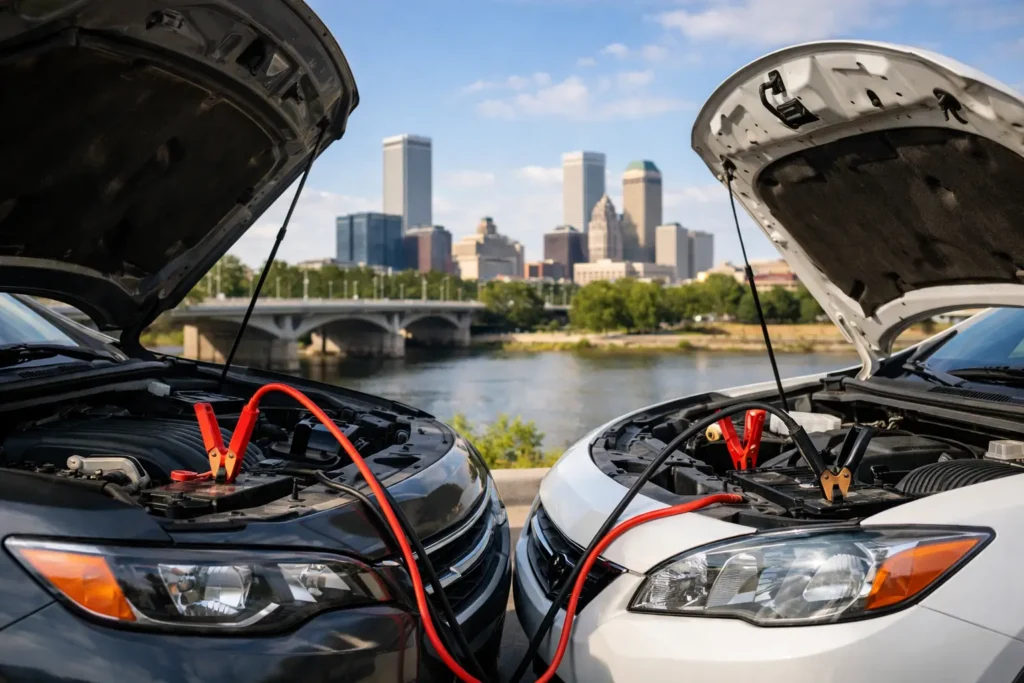
If a jump start is appropriate, the cable connection order matters. The positive cable goes to the dead battery first, then to the good battery. The negative side should be connected carefully according to proper procedure, with attention to grounding and manufacturer guidance. Reversing connections or creating sparks near the battery can cause serious damage.
Even when the vehicle starts, the job is not automatically done. A battery that needed a jump may be near the end of its service life. Letting the engine run helps, but it does not guarantee the battery is healthy. If the vehicle stalls again after you shut it off, you are likely dealing with a battery replacement issue or a charging-system problem.
That is why a jump start should be viewed as a short-term solution, not proof that the problem is fixed. It gets you out of an immediate bind. It does not always solve the underlying cause.
Why professional roadside help can save time
In an emergency, most drivers are not looking for a lecture on battery chemistry. They want a clear answer: can this be safely jump-started here, or does it need to be towed? Professional roadside assistance helps because it removes the guessing.
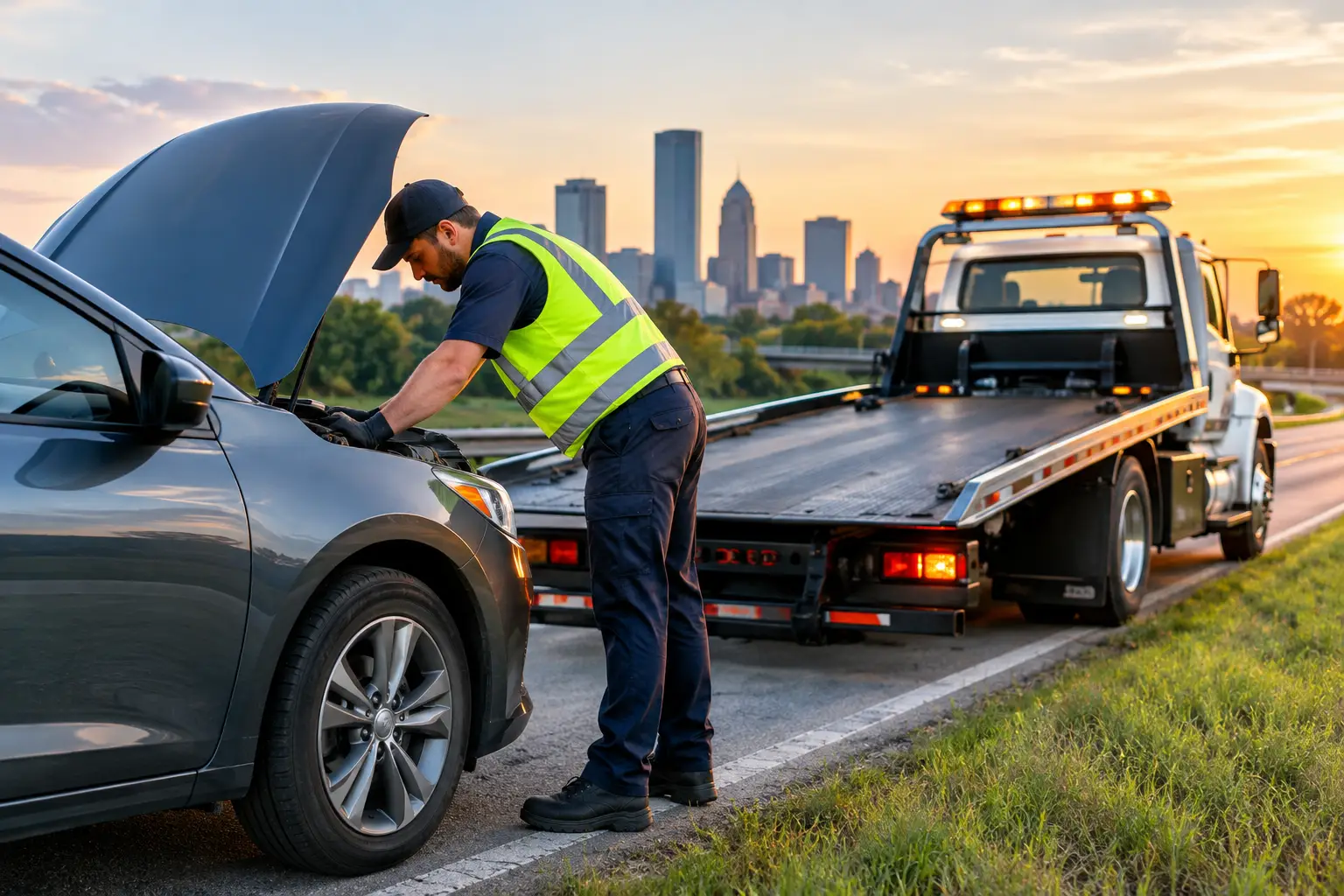
A trained operator can check whether the battery is the likely cause, use the proper equipment, and avoid common mistakes that happen with personal jumper cables. That matters more than people think. Incorrect jumps can damage electronics, blow fuses, or leave you in the same spot with the same problem ten minutes later.
It also matters where the vehicle is. A dead battery in your driveway is inconvenient. A dead battery in traffic, in a shopping center during a storm, or on a roadside after dark is a safety issue. Fast local dispatch and clear communication make a real difference when the problem is happening in real time.
Car battery jump start Tulsa drivers should not delay on
Battery problems rarely improve by waiting. If the vehicle will not start now, and you already see weak power or repeated clicking, delaying usually just turns a manageable issue into a longer interruption. That is especially true when you have somewhere to be or when the vehicle is stopped in an unsafe location.
For Tulsa drivers, local knowledge matters. A roadside provider that works only within the city can often move more efficiently because the service area is tight and familiar. Whether your car is stuck near Riverside, Memorial, Tulsa Hills, or along a major corridor, the value is not just getting a truck dispatched. It is getting the right kind of help quickly, with a clear plan for what happens next.
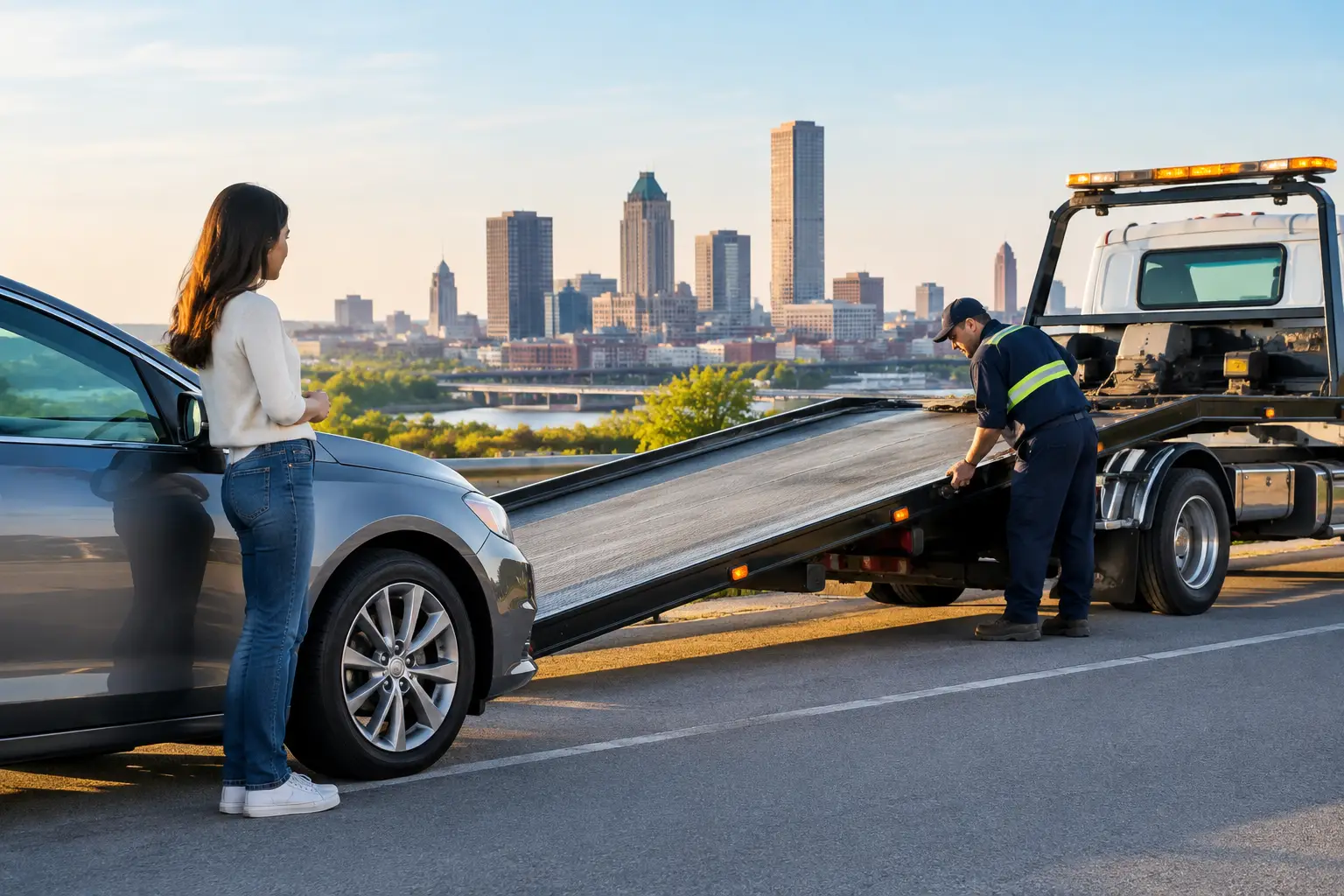
Sometimes that plan is a jump start. Sometimes it is a tow to your preferred repair shop or dealership because the battery issue is part of a larger electrical problem. The right response depends on what the vehicle is doing, where it is located, and whether it can be safely restarted.
If the jump start works, what comes next?
Do not assume you are in the clear just because the engine turns over. Pay attention to how the vehicle behaves after the jump. If warning lights stay on, the idle is rough, or electrical systems still act weak, there may be more going on than a drained battery.
If the battery is several years old, replacement may be the smarter next step than waiting for the next failure. If the issue followed repeated short trips, the battery may simply need a full recharge. If the car dies again while running or shortly after, the alternator or charging system may be at fault.
The trade-off is simple. A quick jump gets you moving, but ignoring the cause can leave you stranded again at a worse time. If there is any doubt about reliability, getting the vehicle checked soon is the safer decision.
What to expect from roadside service
When you call for help, the useful information is straightforward: your location, the vehicle type, and what happens when you try to start it. Saying whether the car clicks, cranks slowly, or has no power at all helps the dispatcher send the right service. If the vehicle is in a dangerous spot, say that first.
A service-first company keeps the process simple. The goal is to reach you, assess the no-start condition, provide a jump start if appropriate, and tow the vehicle if that is the safer answer. Tulsa Towing operates that way – clear communication, careful handling, and customer-directed delivery if the car cannot stay on the road.
A dead battery is frustrating, but it does not need to turn into confusion. Focus on safety, avoid guesswork, and treat a jump start as the immediate fix it is meant to be. If your vehicle will not start and you are stuck deciding what comes next, the best move is the one that gets you out of traffic, out of uncertainty, and back to a safe plan.