A dead battery at the grocery store, a flat tire before work, or a car that shuts down in traffic can turn a normal day sideways fast. If you are searching for a tow truck Broken Arrow drivers can rely on, the main thing that matters is getting real help quickly from someone who knows how to move your vehicle safely.
That sounds simple, but not every tow is the same. The right equipment, the way the vehicle is loaded, and how clearly the driver communicates all make a difference. When your car, truck, or EV cannot move on its own, you need a service that handles the problem without adding another one.
When a tow truck in Broken Arrow is the right call
Some situations are obvious. After an accident, a major mechanical failure, or a vehicle that will not start after repeated attempts, towing is the safe move. In those cases, trying to force the car to keep moving can make the repair worse or leave you stranded somewhere less safe.
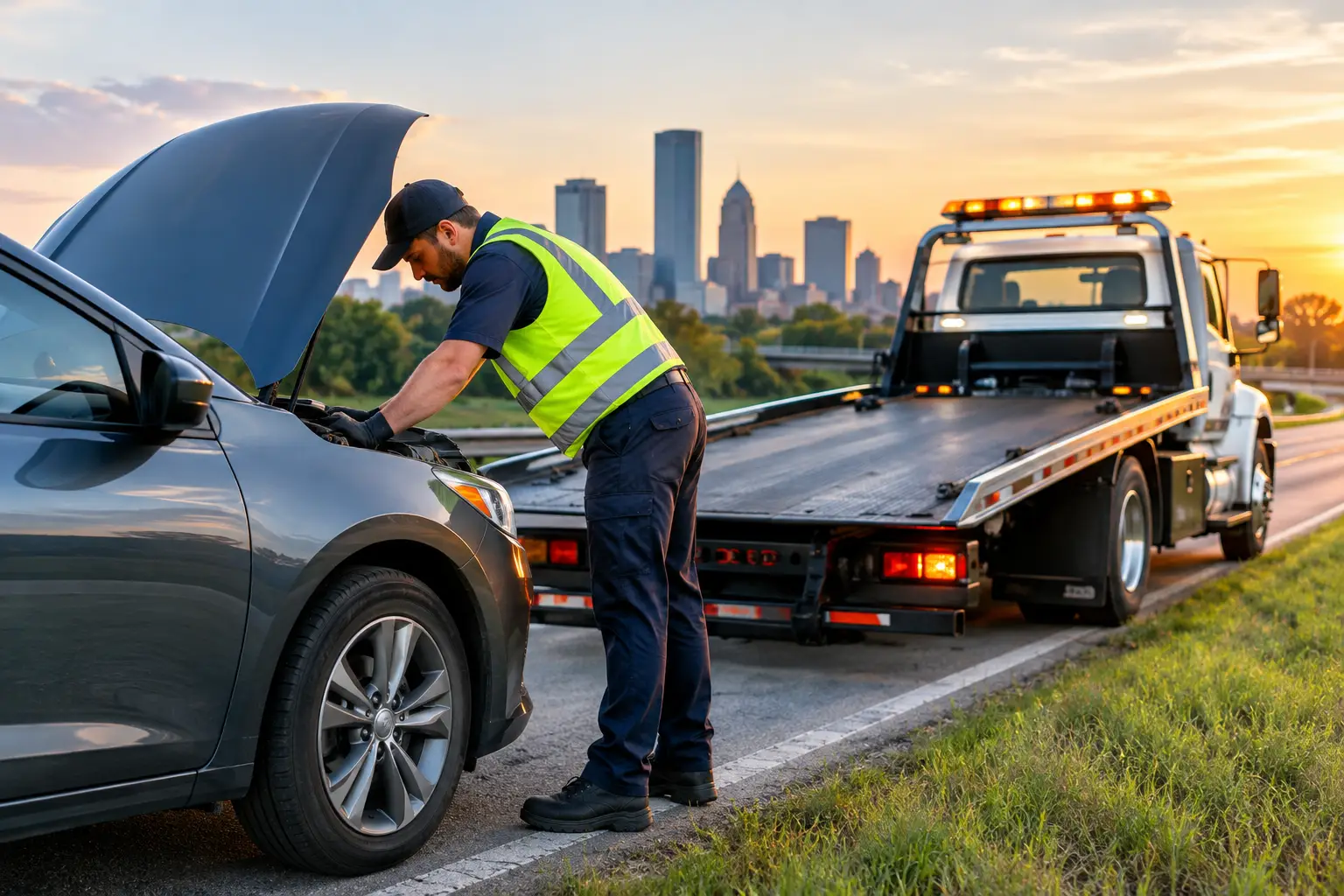
Other situations are less clear. A flat tire might only need roadside help if you have a usable spare and the lug nuts are not seized. A dead battery may only need a jumpstart if the battery and charging system are otherwise fine. But if the vehicle is stuck in a bad spot, if the tire is damaged beyond a quick change, or if the car still will not run after the first attempt, towing is usually the faster answer.
That is where local experience matters. A proper tow starts with figuring out whether the issue can be handled on site or whether the vehicle needs transport to a repair shop, dealership, home, or another safe location.
Why flatbed towing matters in Broken Arrow
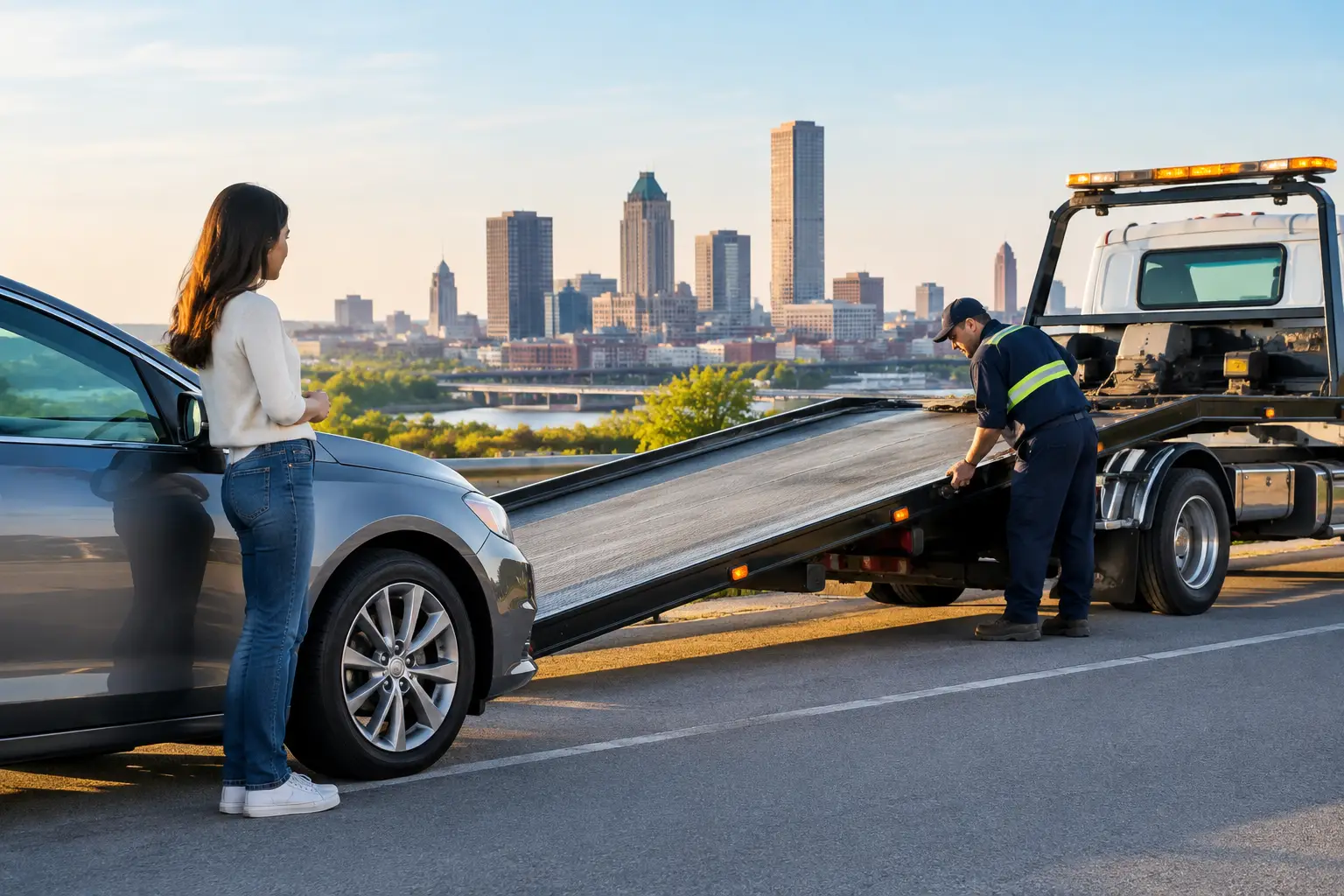
Flatbed towing is usually the safest option for modern vehicles, especially low-clearance cars, all-wheel-drive vehicles, trucks, and electric vehicles. Instead of dragging the vehicle with two wheels on the ground, the entire vehicle is loaded onto the bed and secured for transport.
That matters more than many drivers realize. A careless hookup can damage bumpers, wheels, underbody panels, or drivetrain components. Low cars can scrape. Trucks with extra weight or modified suspension can be awkward to load if the operator is rushing. EVs have their own handling requirements and should be treated like the specialized vehicles they are.
A flatbed gives better control from the first contact point to final unloading. It is the safer choice for breakdowns, accident recovery, and non-running vehicles that need to get to a shop without added wear.
Damage-free towing is not just a phrase
Drivers usually call for towing when the day is already going badly. The last thing they need is avoidable damage during loading or transport. Careful towing means using the right angles, the right securement points, and the right approach for the vehicle in front of you.
That changes from job to job. A sedan in a tight apartment lot is different from a pickup on a shoulder near traffic. A Tesla is different from an older SUV. Real towing experience shows up in those details, not in marketing language.
Common roadside problems that lead to a tow truck Broken Arrow call
A lot of calls start as roadside assistance and turn into towing once the actual problem is clear. A battery may be too far gone to hold a charge. A flat tire may come with wheel damage. A lockout might be simple, but if the vehicle has a larger electrical issue after being stranded, transport may still be needed.
Drivers around Broken Arrow also run into situations where the car is technically movable, but not safely. Maybe it overheats every few blocks. Maybe the steering feels wrong after hitting a curb. Maybe it starts, but stalls at every stoplight. Those are the kinds of problems that make people gamble on driving farther than they should.
In most cases, the better call is to stop early and move the vehicle safely. That usually saves time, avoids a more expensive repair, and lowers the chance of getting stuck in a worse location.
Stuck vehicle and winch-out situations
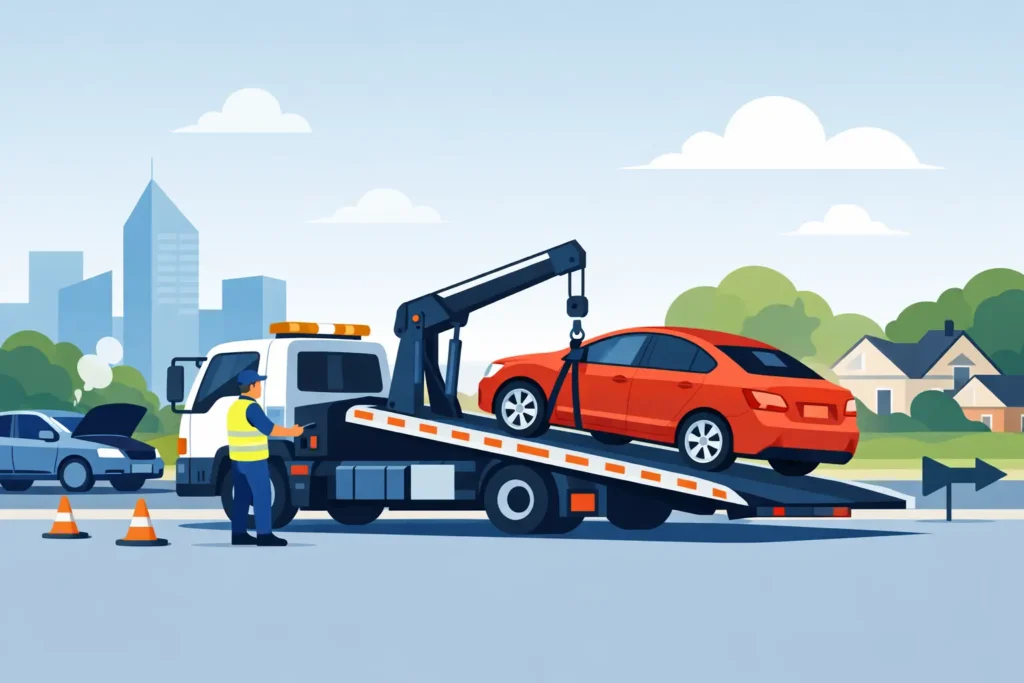
Not every call is a standard breakdown. Sometimes the vehicle is stuck in mud, a ditch, wet grass, a construction edge, or a parking area where traction is gone. In those cases, the first step may be a winch-out rather than a full tow.
It depends on the position of the vehicle and whether it can be recovered without risking more damage. If it can be pulled free safely and driven, that may be all you need. If not, the job turns into a tow from there. The key is handling the recovery in a controlled way instead of jerking the vehicle around and hoping for the best.
What to expect when you call for towing in Broken Arrow
The process should be straightforward. First, the dispatcher needs your location, the vehicle type, and a clear description of the issue. If the car is in a parking garage, facing the wrong direction in a tight lot, or stuck in a traffic-heavy area, that matters. Good information helps get the right truck sent the first time.
From there, communication should stay simple. You should know what kind of help is being sent and what the likely next step is, whether that means a jumpstart, a tire change, a winch-out, or a tow to a repair facility. If the vehicle cannot be moved safely on site, it should be loaded and transported without a lot of back-and-forth.
This is especially important when people are stressed. Most customers are not looking for a long explanation. They want to know that someone is on the way, that the vehicle will be handled correctly, and that they are not about to deal with extra complications.
Choosing the right tow truck service in Broken Arrow
If you need towing right now, you are probably not comparing ten companies in detail. Still, a few things matter more than others. First is whether the company actually handles the type of vehicle and situation you have. A low-clearance car, heavy-duty pickup, or EV should not be treated like a one-size-fits-all tow.
Second is communication. If you cannot get a clear answer about service area, vehicle handling, or where the vehicle can be taken, that is usually a sign of how the rest of the job will go. Third is focus. A service built around roadside help and transport tends to keep the process cleaner and easier for the customer.
That is one reason many local drivers prefer an owner-operated company with real field experience. The difference shows up in how the truck is positioned, how the vehicle is loaded, and how quickly the problem is understood.
Local roads change the job
Broken Arrow calls are not all the same. A vehicle on a busy main road is different from one in a neighborhood, a retail lot, or an office complex. The route to get there and the room available to load the vehicle both affect how the job is handled.
Local towing experience helps because traffic patterns, access points, and common breakdown areas are familiar. That cuts down on wasted time and makes it easier to plan the safest way to approach the vehicle, especially during heavier traffic or in tighter spaces.
When roadside help is enough and when towing saves time
There are times when roadside service is the right fix. If the battery only needs a jump and the vehicle starts normally, you may be back on the road in minutes. If the spare is usable and the tire change is straightforward, you may not need a tow at all.
But there is always an it depends part of the job. If the battery dies again immediately, if the tire damage is worse than expected, or if the vehicle has another underlying issue, towing becomes the better option. The goal is not to force a quick on-site fix if it only delays the real solution.
That practical approach is what drivers usually want. Get the car moving if it can be done safely. If it cannot, transport it without wasting time.
Tulsa Towing, powered by Neptune Towing, handles these calls with that same mindset – clear communication, proper flatbed equipment, and careful towing for vehicles that need to get from Broken Arrow to the right destination without added stress.
When your vehicle will not move, the best next step is usually the simplest one. Get it handled safely, get it where it needs to go, and let the rest of the day get back on track.