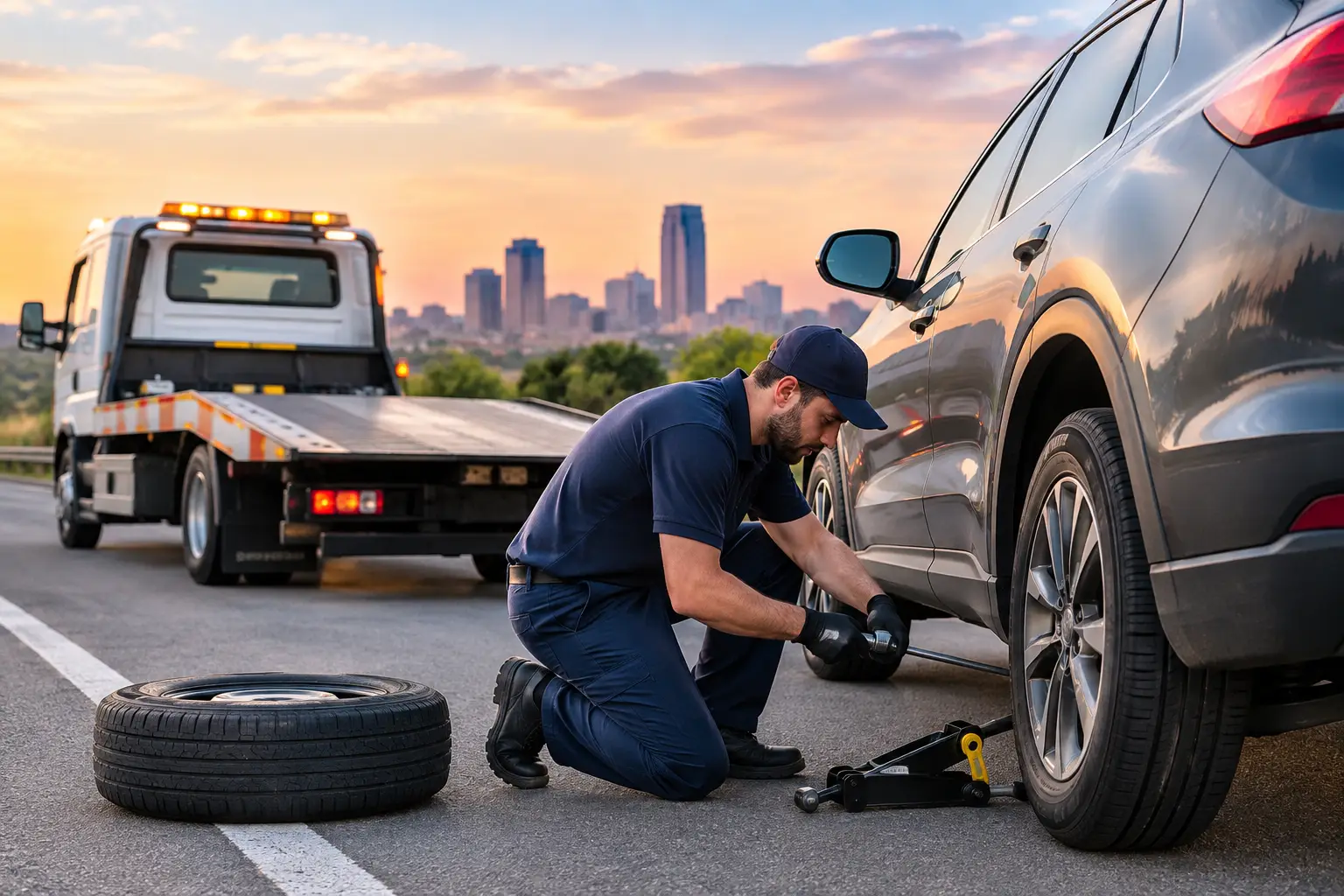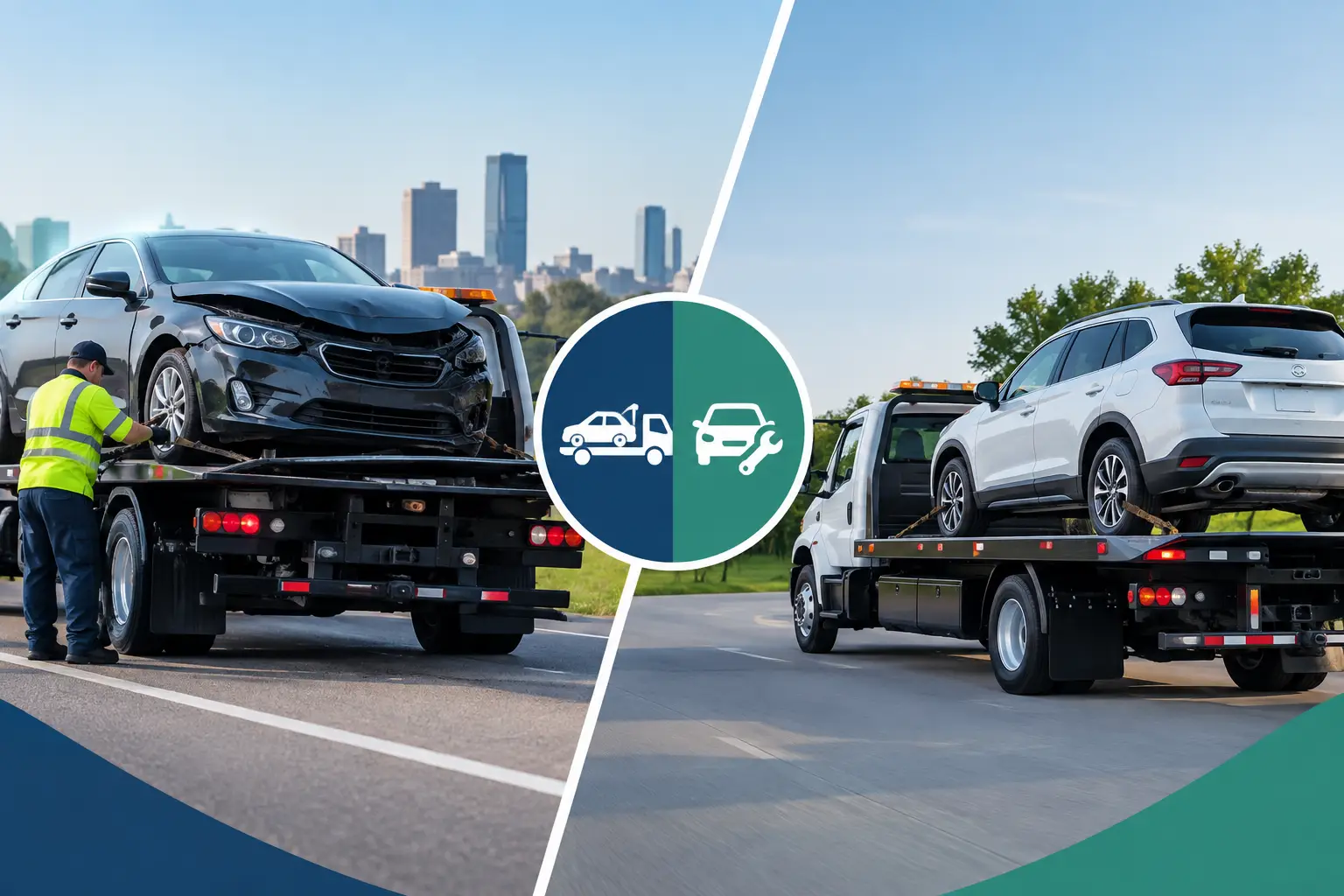
A bad tow can turn one problem into two. If your car already will not move, the last thing you need is drivetrain damage, bumper scraping, tire wear, or suspension stress caused by the towing method itself. That is exactly why drivers ask how flatbed towing prevents damage. The short answer is simple: the vehicle rides fully off the ground, which removes a lot of the risks that come with pulling it on its own wheels.
For most everyday drivers, that matters more than the technical details. You want your vehicle picked up, secured correctly, and delivered to the repair shop or your driveway in the same condition it was in before the tow. Flatbed towing is built for that kind of transport.
How flatbed towing prevents damage in real situations
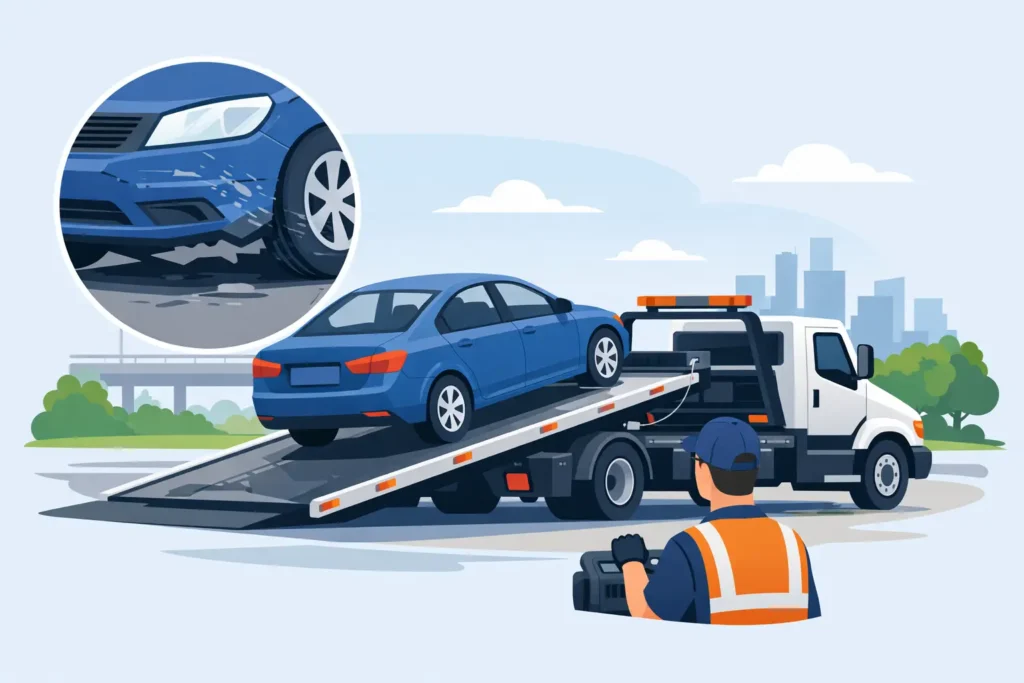
With a flatbed tow truck, the bed tilts down to create a ramp, and the vehicle is loaded onto the platform instead of being dragged behind the truck. Once it is in place, it is secured and carried rather than rolled. That difference is what protects the vehicle.
When a car is towed with two wheels on the ground, those wheels still rotate during transport. Depending on the vehicle, that can put stress on the transmission, differential, drivetrain components, and tires. On a flatbed, none of that happens because all four wheels are off the road.
That is especially important for all-wheel drive vehicles, many rear-wheel drive vehicles, and electric vehicles. These vehicles often have towing requirements that do not leave much room for shortcuts. If the wrong method is used, damage may not be obvious right away, but it can show up later as drivability problems, warning lights, or expensive repairs.
Flatbed towing also reduces the chance of cosmetic damage. Front lips, low bumpers, side skirts, and underbody panels are more vulnerable when a vehicle is pulled, dragged, or loaded carelessly. A proper flatbed setup gives the operator more control over the loading angle and the tie-down process.
Why wheel lift towing is not always the right choice
Wheel lift towing has its place. In tight spots, short relocations, or certain recovery situations, it can be useful. But it depends on the vehicle, its condition, and how it is positioned.
If a car has front-end damage, locked wheels, suspension problems, or low ground clearance, wheel lift towing can create extra risk. The same goes for vehicles with mechanical issues that make rolling unsafe. In those cases, lifting only one end of the vehicle may not be the safest approach.
This is where experience matters. The towing method should fit the vehicle, not the other way around. A careful operator looks at clearance, drivetrain type, tire condition, accident damage, and whether the car can even roll freely before deciding how to move it.
Low cars and why loading angle matters
One of the most common ways vehicles get damaged during towing is scraping during loading. Low sedans, sports cars, Teslas, and vehicles with aftermarket body kits sit closer to the ground, so they need extra care.
A flatbed helps because the loading process can be controlled more precisely. The bed can be tilted and positioned to reduce the ramp angle, and the operator can use the right approach to keep the front bumper, rear bumper, and underside from contacting the bed or pavement. That is a big difference from rushed loading where the car is pulled at the wrong angle.
This is not just about high-end vehicles. Plenty of everyday cars have low clearance from the factory, especially when they are loaded down with passengers or cargo. Even a standard commuter car can scrape if the loading is careless.
How flatbed towing prevents damage to tires, suspension, and alignment
When a disabled vehicle rolls on the road during a tow, every bump, turn, and lane change affects the wheels still on the ground. That can add stress to suspension components and create more wear on tires that may already be damaged.
A flatbed avoids that because the vehicle is supported by the truck, not by its own suspension doing road work during the tow. The tie-down points are used to keep the vehicle stable, and the transport happens without the car tracking behind the tow truck.
That matters after an accident too. If a wheel is bent, a tire is flat, or the steering is compromised, trying to tow the vehicle on its own wheels can make things worse. Loading it onto a flatbed keeps those damaged parts from being forced through more movement than necessary.
Flatbed towing for AWD and electric vehicles
If you drive an AWD vehicle or an EV, flatbed towing is often the preferred method for a reason. These vehicles can have sensitive drivetrains, electric motors, and systems that do not respond well to being towed with wheels on the ground.
Many EVs also have low clearance and specific jack points or tow points. That means the equipment and the loading process both matter. It is not enough to simply hook up the vehicle and move it.
For Tesla and other electric vehicles, proper handling is a real part of damage prevention. The battery pack location, vehicle weight, and tow instructions all have to be respected. A flatbed gives the safest starting point because it removes the issue of rolling the drive wheels during transport.
Accident towing and disabled vehicles
After a crash, a vehicle may look towable when it is not. A bumper may be hanging loose, a wheel may be pushed out of position, or parts underneath may be dragging. If that vehicle is pulled incorrectly, the towing process can add more damage before it ever reaches a body shop.
Flatbed towing is usually the safer option because the vehicle can be winched up and carried without relying on damaged components to roll normally. That is a practical advantage in real roadside situations, especially on busy streets, parking lots, and highway shoulders where there is not much room for error.
The same goes for breakdowns. A seized brake, transmission failure, broken axle, or dead EV can all make traditional towing harder on the vehicle. Getting it fully onto the bed is often the cleanest way to move it without adding another repair to the estimate.
Proper securement is part of damage-free towing
Flatbed towing only works as intended if the vehicle is secured correctly. The truck itself does not prevent damage on its own. The operator has to use the right tie-down points, keep the vehicle centered, and make sure it is stable before transport begins.
Improper securement can lead to shifting, wheel damage, or stress on parts that should not be used as anchor points. That is why real towing experience matters. Knowing where to attach straps and how to load different vehicles is part of keeping the tow damage-free.
This is also where communication helps. If the driver knows the car has a broken control arm, a dead battery, a locked steering column, or a custom front lip, that information changes how the vehicle should be loaded. A good tow starts with understanding the problem before the winch is even used.
When it depends
Flatbed towing is the safer option in many cases, but every tow still depends on the vehicle and the scene. A car in a tight garage, stuck in mud, parked nose-first against a curb, or damaged in a way that affects wheel movement may need extra steps before it can be loaded.
That does not make flatbed towing less effective. It just means damage prevention starts with the right plan. Sometimes the safest tow is not the fastest hookup. It takes a little more setup, a better loading angle, or careful repositioning first.
That kind of judgment is what separates careful towing from careless towing. The goal is not just to get the vehicle moving. The goal is to get it where it needs to go without adding new problems along the way.
For drivers in Tulsa dealing with a breakdown, accident, or disabled vehicle, that is the real value behind flatbed towing. It protects the parts you cannot afford to damage, lowers the risk of cosmetic and mechanical issues, and gives you one less thing to worry about when your day has already gone sideways. Tulsa Towing handles that process the way it should be handled – with the right equipment, clear communication, and careful loading from start to finish.
When your vehicle cannot be driven, the towing method matters more than most people realize. A careful flatbed tow keeps a bad situation from getting more expensive.