A dead battery at the grocery store, a flat on Memorial, or a car that quits moving in traffic can turn into a safety problem fast. When you need Bixby emergency tow truck help, what matters most is simple – getting a truck dispatched quickly, knowing what kind of help is on the way, and making sure your vehicle is handled the right way.
That is usually the difference between a stressful roadside stop and a job that gets wrapped up without extra damage, confusion, or wasted time. If your vehicle will not start, cannot be driven safely, or is stuck where it sits, the right response depends on the situation. Sometimes the fix happens on site. Sometimes the safest move is a flatbed tow to your home, a repair shop, or a local dealership.
What Bixby emergency tow truck help should actually include
Emergency towing is not just about sending any truck to any location. Real Bixby emergency tow truck help means the driver understands whether the vehicle needs roadside service first, whether it can be moved safely, and what equipment is required to load it without causing more problems.
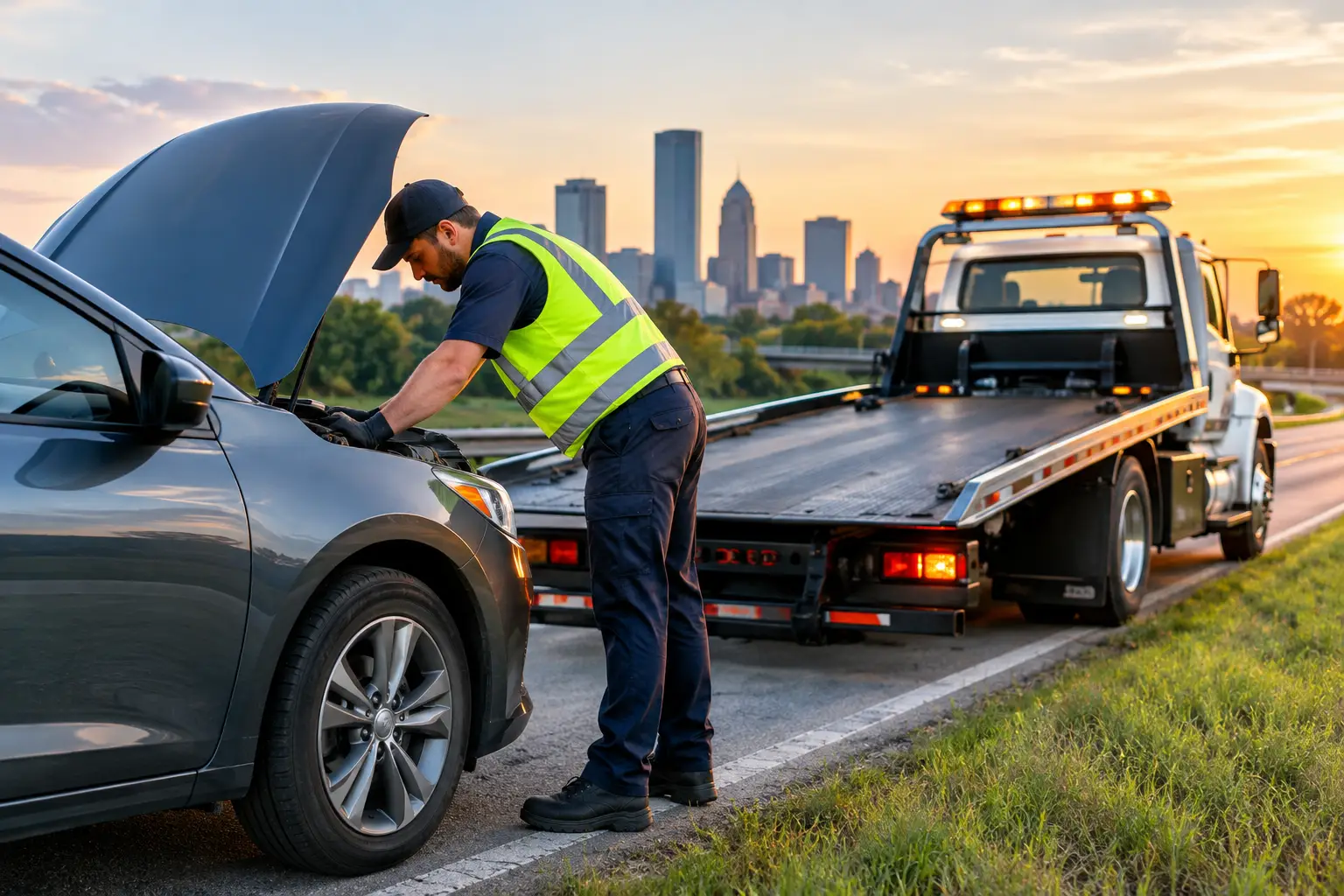
If the issue is a dead battery, a jumpstart may be all you need. If you have a flat tire and no usable spare, roadside tire help may get you moving. If the steering is damaged, the wheel is broken, the car is disabled after an accident, or the vehicle has a drivetrain issue, towing is usually the safer call.
That matters even more with low-clearance cars, heavier trucks, and electric vehicles. These are not jobs for guesswork. Proper loading angles, secure tie-down points, and flatbed transport all play a role in preventing damage during the tow.
When roadside help is enough and when you need a tow
A lot of drivers are not sure whether to ask for roadside service or a tow truck. That is normal. In an emergency, you are dealing with the problem in front of you, not trying to diagnose every mechanical issue.
If the car is safely parked and the problem appears straightforward, roadside help may save time. Common examples are jumpstarts, lockouts, and some flat tire situations. If the vehicle is blocking traffic, sitting in an unsafe area, leaking fluids, has suspension damage, or simply will not move, towing is usually the better option.
There is also the safety side of it. A car on the shoulder of US 75 or near a busy Bixby intersection is not the place to keep experimenting with a fix. The smarter move is often to get the vehicle loaded and moved to a safer destination where the next step can happen without roadside pressure.
Why flatbed towing matters in emergency situations
When a driver is already stressed, it is easy to think a tow is a tow. It is not. The way a vehicle is moved matters, especially after a breakdown or accident.
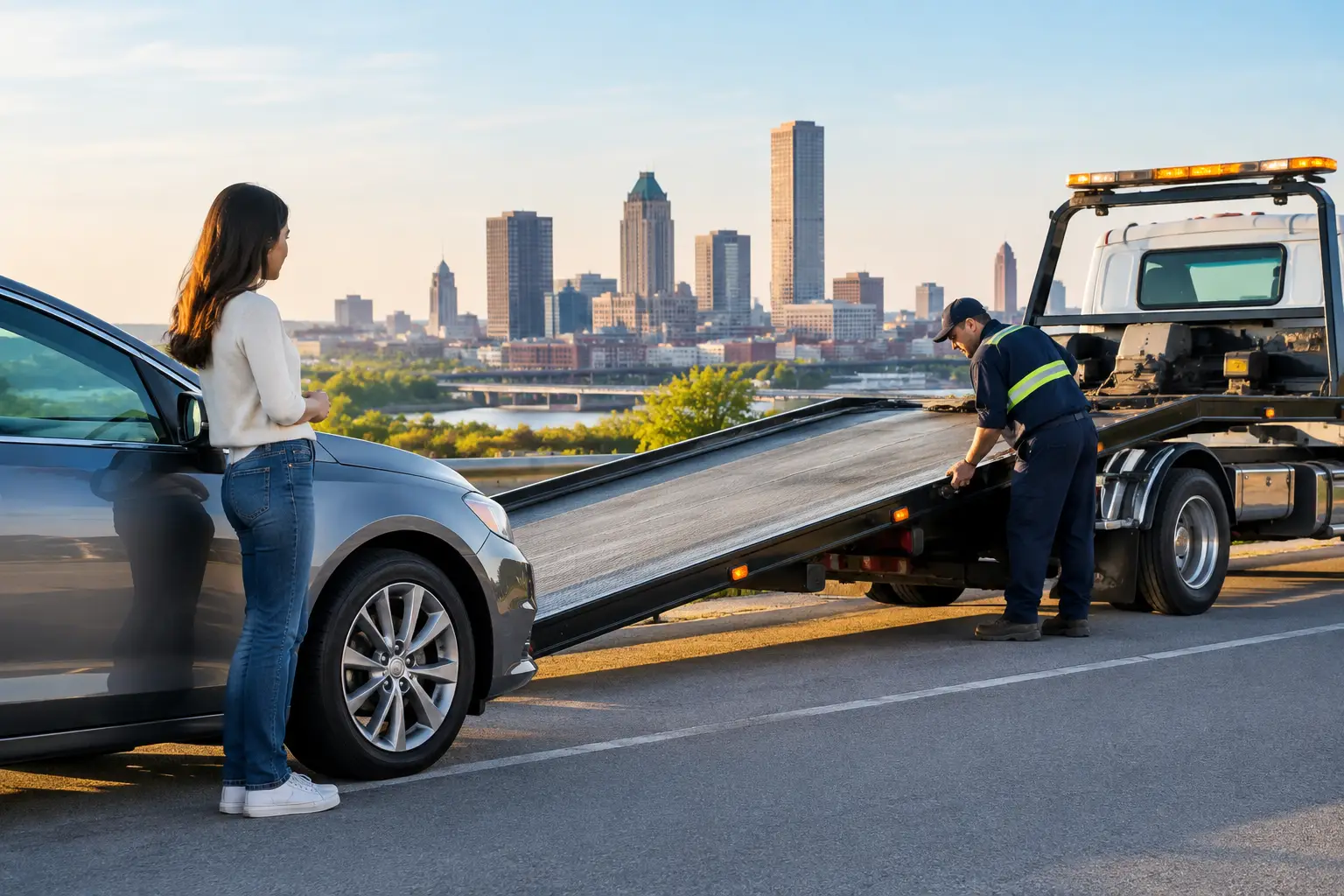
Flatbed towing keeps all four wheels off the road. That reduces wear during transport and helps avoid additional damage to vehicles that are already disabled. It also gives better control when loading cars with low ground clearance, all-wheel drive systems, larger pickups, and EVs.
For damaged vehicles, this becomes even more important. If a car has a broken axle, wheel damage, or front-end impact, trying to move it the wrong way can make the situation worse. A flatbed gives a cleaner, safer way to recover and transport the vehicle.
Common calls for Bixby emergency tow truck help
The most common emergency calls tend to be the same problems local drivers run into every week. Breakdowns happen in driveways, parking lots, office complexes, and along main roads. Batteries die without warning. Tires blow out. Cars overheat in traffic. Transmissions fail halfway through a normal trip.
Accident towing is another major reason people call. Even when the damage looks minor, the vehicle may not be safe to drive. Bent steering components, hidden suspension damage, or a leaking radiator can turn a short trip into a bigger repair.
There are also stuck vehicle situations. A car can slide off pavement after rain, get buried in soft ground, or end up where it cannot move under its own power. In those cases, winch-out service may be needed before the vehicle can be loaded or driven away.
What to expect when you call
Good emergency towing should feel clear, not chaotic. The first step is identifying your location, the condition of the vehicle, and whether you are in a safe spot. That helps determine whether the job needs roadside assistance, a flatbed tow, or recovery equipment.
From there, dispatch should be straightforward. You should know what kind of help is being sent and what the next step looks like. If the vehicle needs a tow, the destination should be clear from the beginning, whether that is your home, a trusted repair shop, or a dealership.
That kind of communication matters because roadside situations already come with enough stress. You should not have to guess what is happening with your vehicle or wonder whether the person handling it understands the job.
Local response matters more than people think
Bixby drivers do not need a broad service area pitch when they are stranded. They need someone familiar with the roads, traffic patterns, and the kind of places vehicles actually break down.
A tow on a quiet residential street is different from a disabled car near a busy corridor or a vehicle stuck in a tight commercial lot. Local knowledge helps with routing, access, loading position, and getting the vehicle out without creating a bigger issue. It also helps avoid delays when traffic is heavy or the location is harder to reach than it sounds over the phone.
That is one reason many drivers prefer a local company with a focused service area instead of a service stretched across a much larger region. Tulsa Towing, powered by Neptune Towing, works with that local model, which keeps dispatch practical and service consistent.
Choosing the right tow when the vehicle is already vulnerable
Not every disabled vehicle looks badly damaged. Some of the most vulnerable ones are the cars that simply stopped running. A transmission issue, brake problem, or electrical failure may not show obvious damage, but the wrong loading method can still create new problems.
That is why proper equipment and experience matter. A low car may scrape if the approach angle is wrong. A truck needs to be balanced correctly on the bed. An EV needs to be handled with attention to manufacturer-safe transport practices. The customer may not know those details, and they should not have to. The towing service should.
That does not mean every call is complicated. It means every call should be treated carefully enough that a simple breakdown does not turn into body damage, wheel damage, or undercarriage issues that were not there before.
How to make the situation easier while you wait
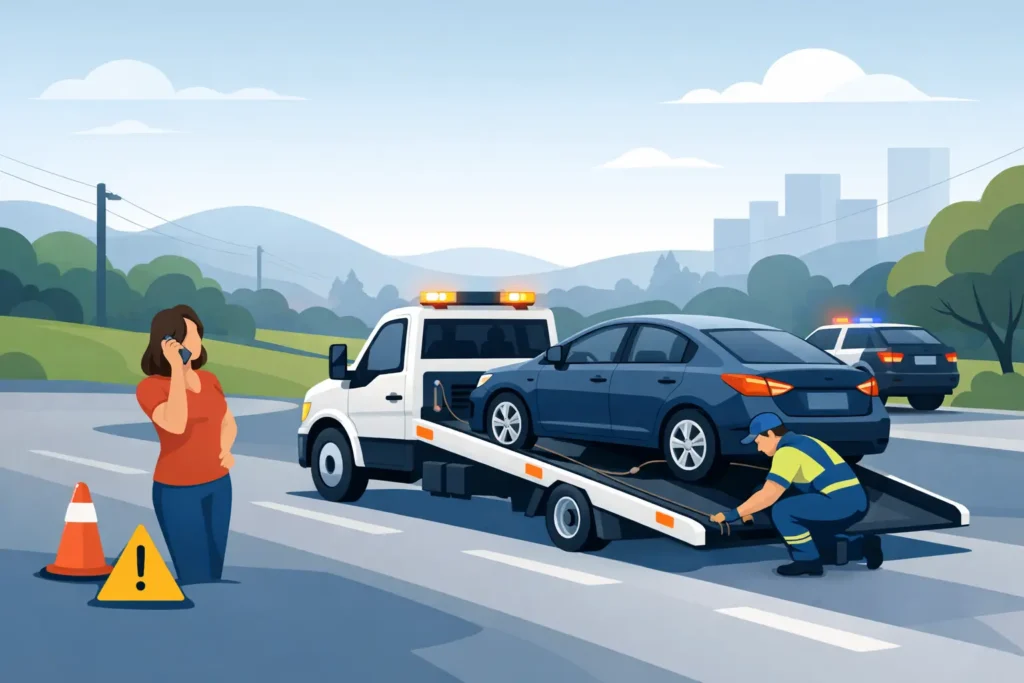
If you are waiting on emergency towing, keep the next few steps basic. Move to a safe place if you can do so without risk. Turn on your hazard lights. If the vehicle is in traffic or a dangerous shoulder area, stay aware of surrounding vehicles and avoid standing where other drivers may not see you.
It also helps to have a few details ready when you call: your exact location, the vehicle type, what happened, and whether the car rolls freely or is stuck. That information can affect what equipment needs to be sent.
If you are not sure what is wrong, say that. A clear description of what the vehicle is doing is more useful than guessing at a mechanical diagnosis. Something as simple as it will not start, the front tire is damaged, or the steering feels broken is enough to point the job in the right direction.
The goal is to get your vehicle moved without adding to the problem
Most people looking for Bixby emergency tow truck help are not comparing features. They are trying to solve an immediate problem and get through the day with as little extra stress as possible.
That is why the basics matter so much. Fast dispatch matters. Clear communication matters. Safe loading matters. And if the vehicle cannot be driven, damage-free flatbed towing matters even more.
When the truck arrives, you should feel like the problem is being handled by someone who does this work every day, not someone figuring it out on the fly. In a roadside situation, that kind of confidence goes a long way. The right help does not make the breakdown disappear, but it does make the next step a lot easier.