A stalled vehicle on I-44, a dead battery in a Tulsa Hills parking lot, or a flat tire on Memorial is not the time to sort through vague towing ads. You need to review local tow truck options quickly, but you also need enough information to avoid turning one problem into vehicle damage, a long wait, or confusion about where your car is going.
The right choice is usually not about finding the longest list of services. It is about finding a local operator who can clearly tell you whether they can handle your situation, when they can get there, what equipment they will use, and where they can take the vehicle.
Review Local Tow Truck Options by the Actual Problem
Start with what happened to the vehicle. A tow truck company should ask a few basic questions before dispatching, not because they are trying to slow things down, but because the answers determine the safest way to handle the job.
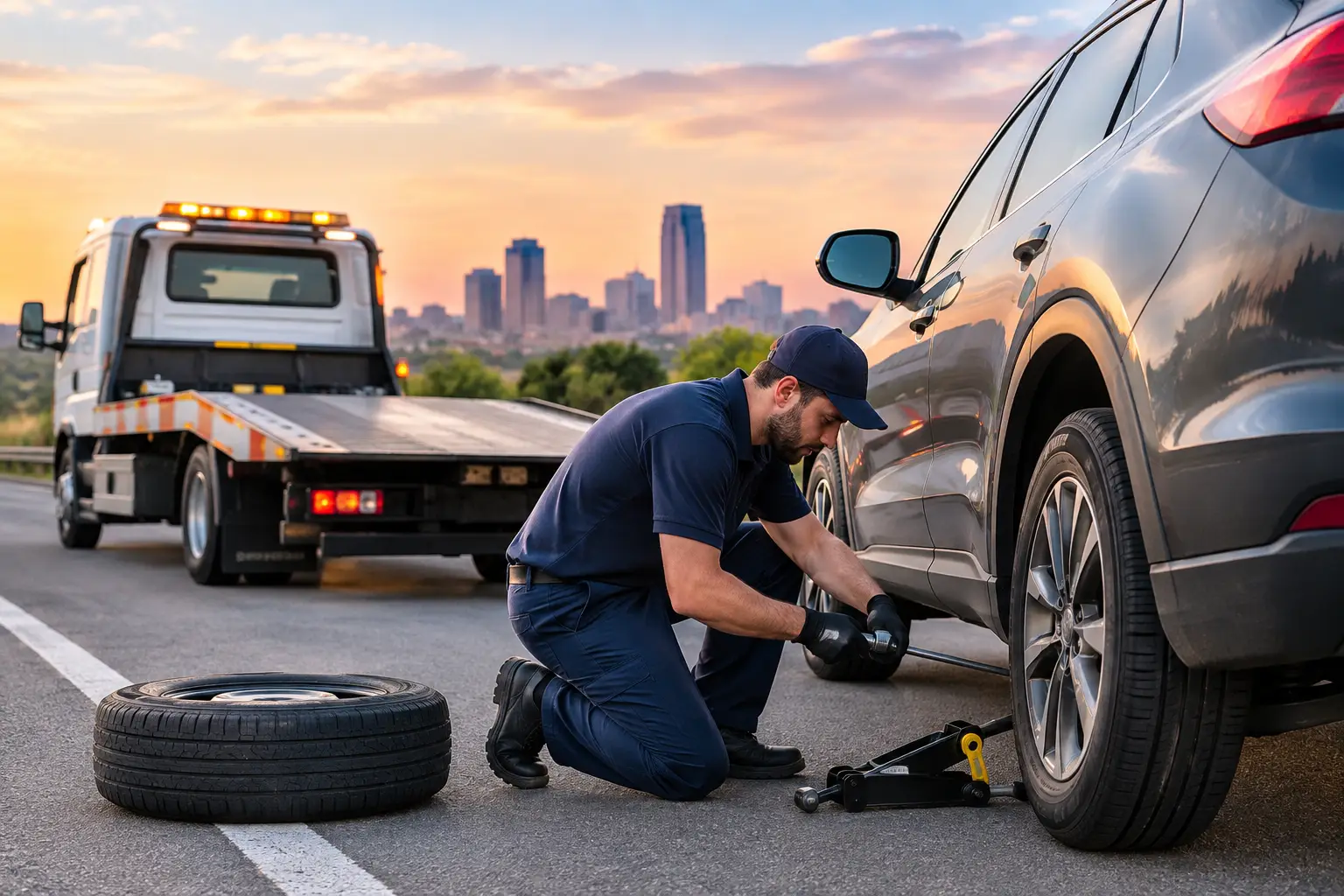
A vehicle that will not start may only need a jumpstart. A tire with a simple puncture might be handled with a spare if you have one in usable condition. A lockout may be solved on site. On the other hand, an overheated engine, accident damage, a transmission problem, or a vehicle that cannot roll safely needs a tow.
Be direct when you call. Give the dispatcher your location, vehicle year, make, model, condition, and intended destination. Mention whether the vehicle is in a garage, on a busy shoulder, blocked into a driveway, sitting low, or equipped with all-wheel drive. Those details affect the truck, loading plan, and route.
For electric vehicles, include that information immediately. EVs and Teslas should be moved with the correct approach and proper loading equipment. Trying to force a disabled EV onto a truck or move it in a way the manufacturer does not allow can create unnecessary damage.
What a Careful Tow Company Should Confirm
A clear conversation is often the first sign you are dealing with someone who understands towing work. You should not need a technical lesson, but the person arranging the call should be able to answer practical questions without talking around them.
Ask whether the company can handle your vehicle type, whether a flatbed is available, and whether the driver can take the vehicle directly to your chosen repair shop, dealer, home, or other local destination. If you are stuck after an accident, ask whether the vehicle can be loaded safely in its current condition.
Response time matters, especially when you are exposed near traffic. Still, an honest arrival range is more useful than a rushed promise. Traffic around US 75, Highway 169, Riverside, or Downtown can change quickly. A local operator who communicates a realistic ETA and updates you if conditions change gives you something you can plan around.
You should also get a clear explanation of the expected charge before the truck arrives when the situation allows. The final cost can depend on distance, vehicle position, recovery work, and whether special handling is required. A straightforward estimate should identify the main factors instead of leaving you to guess after the vehicle is loaded.
Flatbed Towing Is Often the Safer Choice
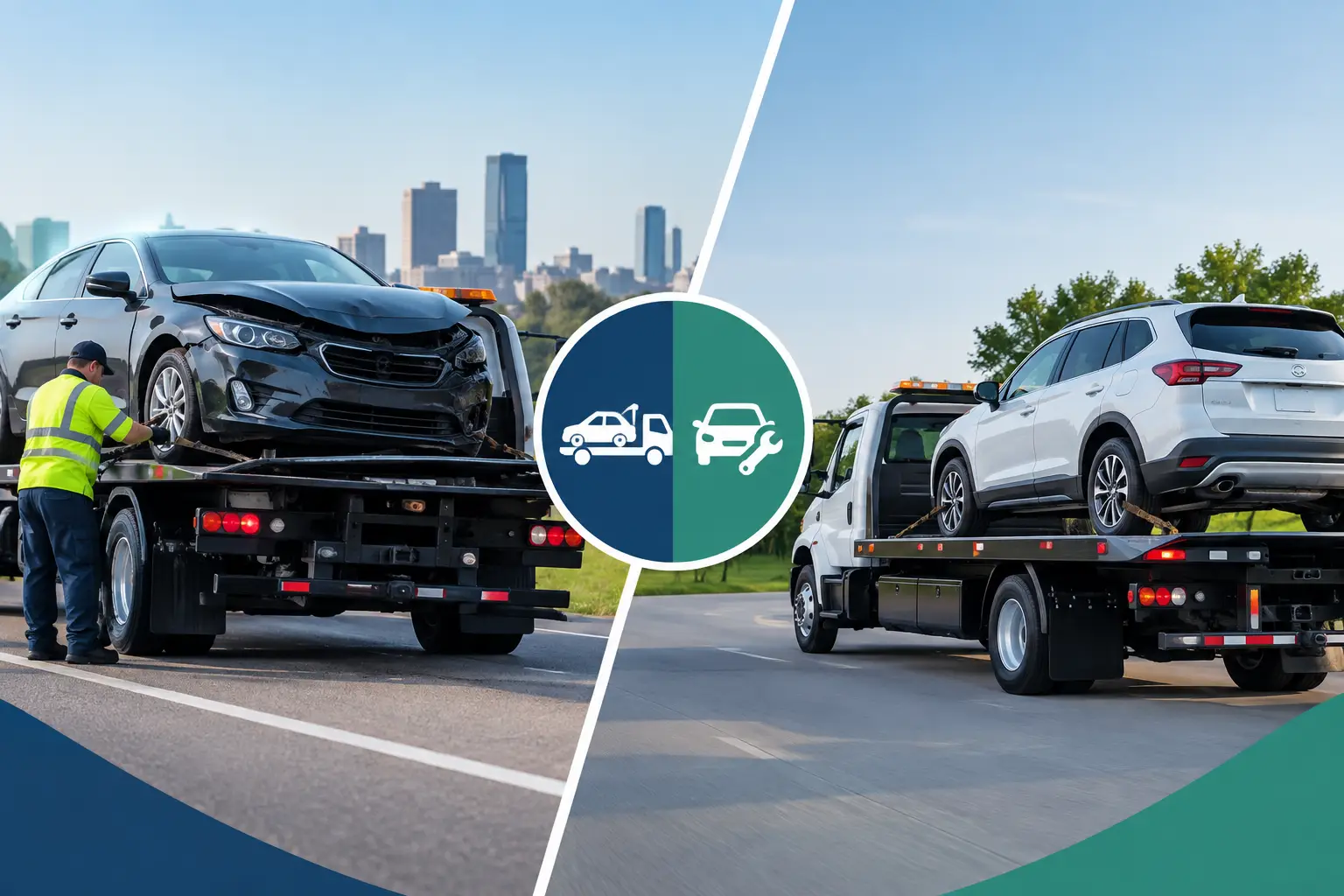
For many passenger cars, trucks, low-clearance vehicles, and EVs, flatbed towing is the preferred transport method. The vehicle is loaded completely onto the bed rather than being pulled with two wheels on the road. That reduces wear and avoids problems that can come from moving vehicles with drivetrain damage or all-wheel-drive systems incorrectly.
Flatbed service is not just for luxury vehicles. It makes sense for a car that will not shift into neutral, a pickup with a damaged wheel, a vehicle after a collision, or a car being delivered to a shop for repairs. It is also useful when the goal is simply to get the vehicle transported without adding miles or risk.
The trade-off is that loading conditions matter. Tight garages, low overhead clearance, steep driveways, and narrow parking lots may require a different setup or added care. A qualified operator will explain the plan rather than treating every call like the same roadside pickup.
Check for Local Knowledge, Not Just a Local Number
A towing company serving Tulsa should know the difference between a safe stop on a service road and a risky wait on a highway shoulder. Local knowledge helps with route planning, traffic conditions, shop locations, and finding a workable loading position in crowded areas.
This is especially useful if your vehicle is disabled in a place that is difficult to describe. Tell the dispatcher the nearest cross street, business, exit, or visible landmark. If you are on a highway, provide the direction of travel and the closest mile marker or exit when possible. Saying you are “near Tulsa” is not enough for a driver trying to find you during rush hour.
The same applies outside the city. Calls in Jenks, Bixby, Broken Arrow, and Glenpool may be serviceable depending on scheduling and truck availability. Confirm the coverage area before assuming a company can reach you quickly. A focused service area can mean better dispatch times because the operator is not spread across a large region.
Read Reviews for Details That Matter on the Road
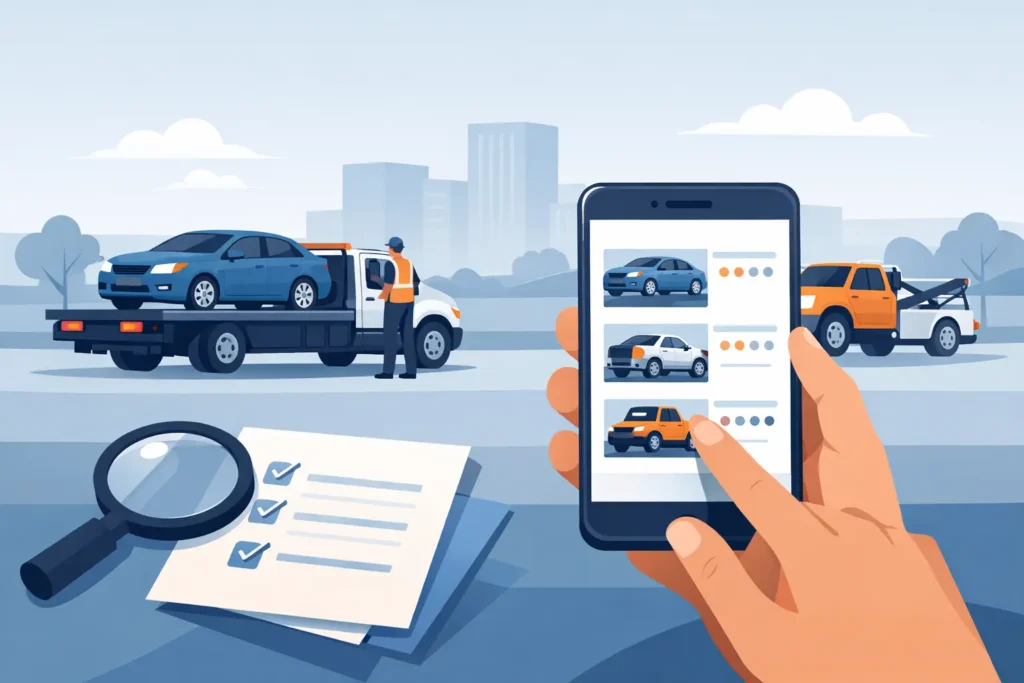
Customer reviews can help, but look beyond a star rating. The useful reviews mention specific parts of the experience: whether the driver arrived within the stated window, communicated clearly, handled a low vehicle carefully, or delivered the car to the requested shop.
Pay attention to repeated patterns. A few comments about good communication are encouraging. Several detailed comments about careful loading and straightforward service tell you more than a generic one-line review. Reviews are less helpful when they focus only on price without describing the actual job, since towing needs can vary widely.
It also helps to understand what a company does not do. Some operations focus on storage or other types of towing that may not fit a driver who simply needs a disabled vehicle moved to a repair facility. For a breakdown, you want a service built around dispatching a truck, handling the vehicle safely, and getting it to the destination you choose.
Keep Yourself Safe While You Wait
Once you have called for help, your immediate priority is your location. If the vehicle can be moved safely out of traffic, do that. Turn on hazard lights, keep a safe distance from moving vehicles, and avoid standing between your car and traffic. On a busy roadway, getting behind a guardrail or well away from the travel lane is usually safer than waiting next to the driver’s door.
Do not attempt a roadside repair if the location itself is dangerous. A flat tire on a quiet residential street is different from a flat on I-44. Let the towing operator know if you are in an exposed or unsafe position so the driver understands the urgency when planning the response.
If you need a tow, remove personal belongings you will need before the vehicle is loaded. Take your keys, wallet, work items, medications, and any parking access device. Confirm the destination with the driver before loading begins, particularly if the shop closes soon or you are having the vehicle delivered after hours.
A Short Call Script Can Save Time
When stress is high, keep the call simple: “My vehicle is at [location]. It is a [year, make, model]. It [will not start/has accident damage/has a flat/is stuck]. I need it taken to [destination]. Can you send a flatbed, give me an ETA, and explain the expected charge?”
That one explanation gives the towing operator the information needed to decide whether roadside help or a tow is appropriate. It also makes it easier to spot clear communication from the beginning.
Tulsa Towing, powered by Neptune Towing, takes this practical approach: assess the problem, dispatch the right equipment, explain what is happening, and move the vehicle carefully. That matters whether the job is a short city tow, an EV transport, or a vehicle that cannot safely leave the shoulder under its own power.
The best time to save a towing number is before you need it. But when the vehicle is already down, take a minute to ask the right questions, choose careful handling over vague promises, and get yourself to a safer place while help is on the way.