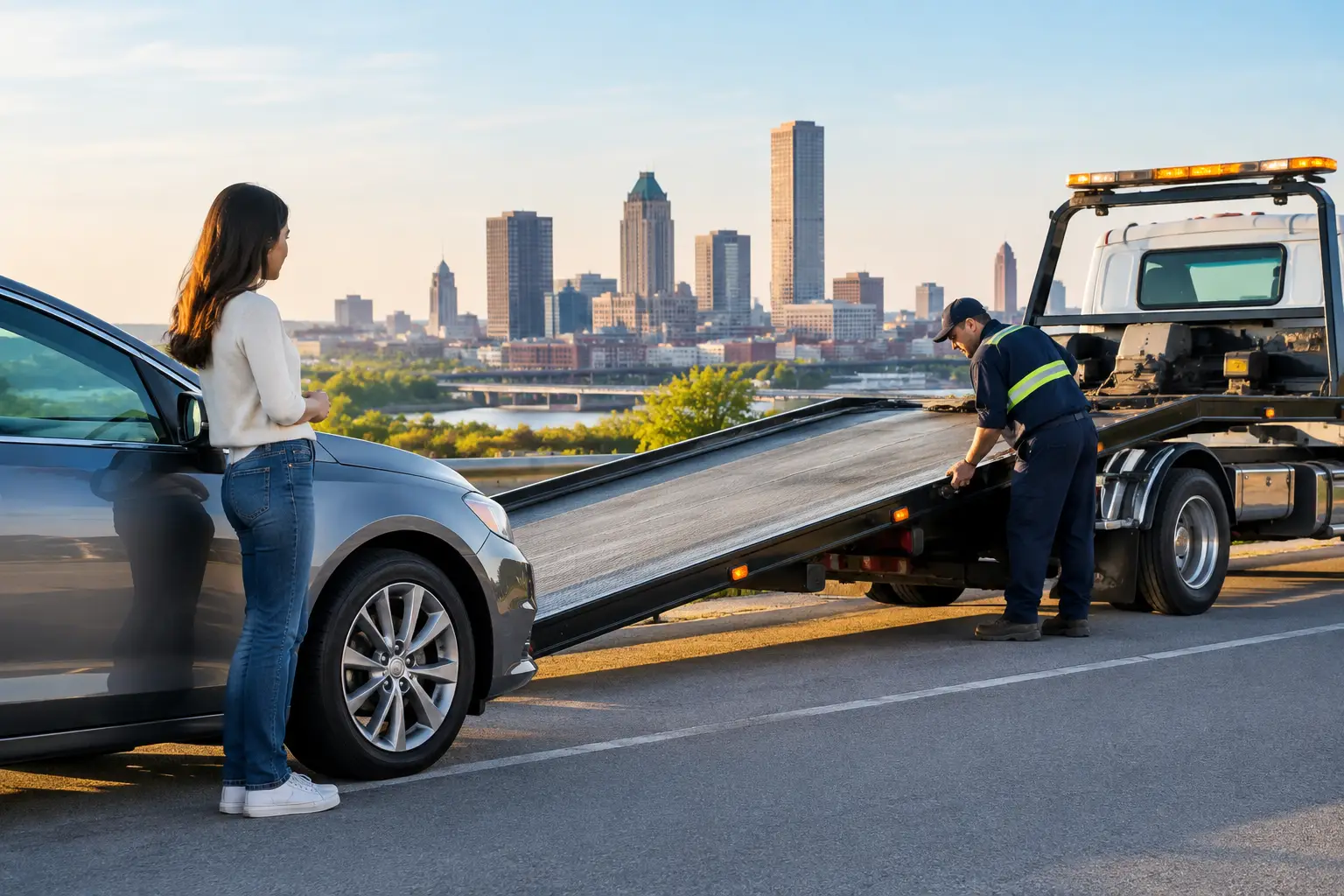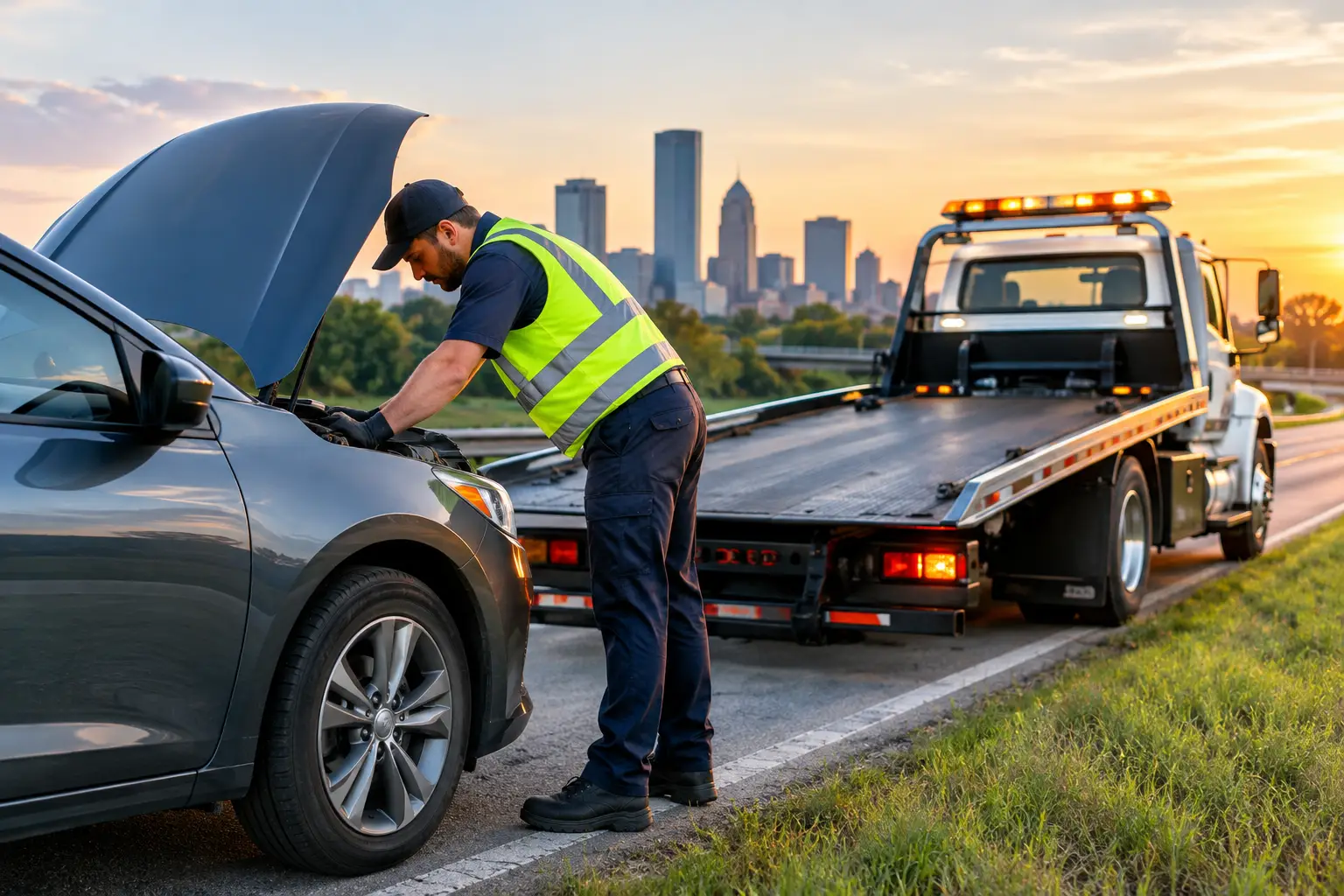
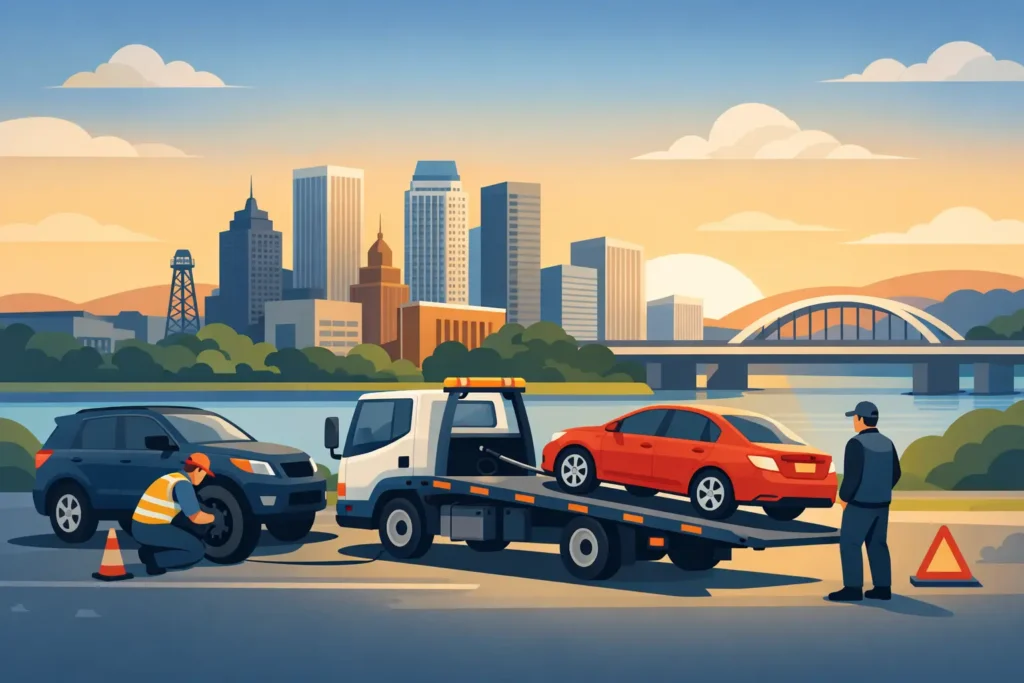
A dead battery in a grocery store lot is one kind of call. A disabled truck on I-44 during rush hour is another. Tulsa roadside response trends show that both happen every day, but the way they get handled depends on location, traffic, vehicle type, and how quickly the right truck gets dispatched.
For drivers, that matters because roadside problems are rarely just about the vehicle. They affect safety, work schedules, family plans, and whether the situation gets resolved on site or turns into a tow. From a towing standpoint, the trend is clear – people want faster communication, accurate arrival expectations, and careful handling from the first call to the final drop-off.
What Tulsa roadside response trends are showing
The biggest shift is not that more things are going wrong. It is that drivers are less willing to waste time with vague answers. When someone is stuck on US 75, in a parking garage downtown, or on the shoulder near Memorial, they want to know who is coming, what kind of help is being sent, and whether the problem can be fixed there or needs transport.
That has changed what good roadside service looks like. Fast dispatch still matters, but so does getting the call right the first time. If the issue is a flat tire, lockout, jumpstart, or winch-out, that needs to be clear immediately. If the vehicle is low clearance, all-wheel drive, electric, or too damaged to move safely, sending the wrong setup only adds delay.
Another trend is that roadside assistance and towing are overlapping more often. A battery problem may end with a jumpstart, or it may reveal a charging issue that means the car needs a tow. A flat tire may be simple, or it may turn into transport if the wheel is damaged or the driver has no usable spare. The real job is not just getting there fast. It is knowing what the next step should be once the truck arrives.
Response times depend on where the call happens
Not every roadside call in Tulsa moves the same way. Busy corridors create a different kind of urgency than neighborhood streets or private lots. A vehicle stopped near Highway 169, I-44, or a major intersection creates more pressure because traffic exposure is higher and loading conditions can be tighter.
That is one reason local route knowledge matters. A truck can be close by on paper and still lose time if the driver does not know the best approach, current congestion patterns, or how to get into a difficult access point. Areas like Tulsa Hills, Riverside, and Midtown can each present different loading challenges depending on time of day and where the vehicle is sitting.
Parking garages and apartment complexes are another part of the trend. More calls now involve tight spaces, lower clearance, and vehicles that cannot simply be hooked and pulled. Those situations call for more care and often more time. For the customer, the important part is honest communication. A slightly longer but correct response is better than rushed handling that creates damage.
The most common calls are still the most disruptive
Battery failures, flat tires, lockouts, and breakdowns continue to make up the bulk of roadside work. That part has not changed. What has changed is how often those simple calls happen in inconvenient places and at high-stress times.
A jumpstart in a driveway is straightforward. A jumpstart in a crowded lot after dark feels very different to the driver calling for help. The same goes for flat tires on busy roads or lockouts when a parent is trying to get home with kids in the car. The service itself may be simple, but the customer experience depends on speed, clarity, and whether the person handling the job seems like they know exactly what they are doing.
This is where Tulsa roadside response trends become practical. The companies that stay consistent are the ones built around direct dispatch, clear updates, and proper equipment instead of guesswork. That applies even more when a roadside call turns into a tow.
Vehicle mix is changing the way roadside calls are handled
One of the more important roadside trends is the wider mix of vehicles needing help. It is no longer just standard sedans and half-ton pickups. More calls involve heavy-duty trucks, low-profile cars, SUVs with limited tire access, and electric vehicles that require extra care.
That affects response in a real way. Some vehicles should not be dragged, improvised, or loaded carelessly. EVs especially require correct handling because improper towing can create expensive damage. The same goes for low-clearance cars that need the right angles and equipment to avoid scraping.
For drivers, this means the nearest truck is not always the right truck. A correct setup may take a little more planning, but it usually saves time and trouble overall. Careful loading, flatbed transport, and knowing how to handle different vehicle types have become part of normal roadside expectations, not an extra service.
Communication is now part of the response time
Drivers do not measure response by the clock alone. They measure it by how long they feel stuck without answers. That is a major part of current Tulsa roadside response trends.
If someone calls for help and gets a clear answer about the truck being dispatched, the estimated arrival, and whether the issue is likely roadside or tow-related, the situation becomes more manageable right away. If they get vague promises and no updates, the wait feels longer even when the arrival time is similar.
This is especially true in stressful calls involving accidents, disabled vehicles in traffic, or situations where a driver feels unsafe standing outside the car. Clear communication lowers the pressure. It helps people make decisions, whether that means staying with the vehicle, moving to a safer spot, or preparing for transport to a shop or home.
Why local focus usually leads to better roadside outcomes
A city-focused operation generally handles roadside calls better than a broad service area model trying to cover too much ground. That is not a sales line. It is a dispatch reality. The tighter the operating zone, the easier it is to send the right truck, account for traffic, and avoid unnecessary delay.
In Tulsa, that local focus matters because breakdown patterns are predictable. Certain stretches of road see more disabled vehicles. Certain retail and apartment areas produce more lockouts and dead battery calls. Some neighborhoods are easy to access, while others require more careful entry and loading. Experience with those patterns improves response quality.
That is also why many drivers prefer a straightforward company model over anything that feels complicated. Tulsa Towing, powered by Neptune Towing, is built around exactly that kind of local response – dispatch the truck, solve the problem on site if possible, or move the vehicle safely where it needs to go without adding confusion.
What drivers should take from these trends
The main takeaway is simple. Roadside service is getting less forgiving of mistakes. Wrong equipment, poor communication, and rushed handling cost more time than they save. For the customer, that means choosing help based on capability, not just availability.
If your vehicle is disabled in Tulsa, the right question is not only how fast someone can get there. It is whether they can handle your exact situation safely. A flat tire in a quiet lot, a breakdown on the highway, and an EV that will not move each require a different response even if they all start with the same phone call.
That is where roadside trends are heading. Drivers want fewer handoffs, fewer surprises, and better answers up front. They want to know the person coming out understands the job, the vehicle, and the area. When that happens, the whole situation settles down faster.
If you are ever stuck waiting on the side of the road, the most useful thing is not a polished promise. It is a calm, accurate response from someone who knows Tulsa, shows up prepared, and handles the vehicle the right way the first time.