A car lockout can turn an ordinary stop into a stressful situation fast. One minute you are grabbing coffee, loading groceries, or stopping for gas. The next, your keys are sitting on the seat and the doors are locked. The priority is not finding the fastest-looking way inside. It is staying safe, avoiding damage to your vehicle, and getting the right help headed your way.
For drivers in Tulsa, lockouts happen everywhere: apartment complexes, office parking lots, Riverside, busy shopping areas, and highway shoulders where stopping is already risky. A calm first few minutes can make the rest of the job simpler.
What to Do First During a Car Lockout
Start by checking every door and the trunk or liftgate if your vehicle has one. It sounds obvious, but many lockout calls turn out to be a single door that did not fully lock. Check without forcing handles, pulling aggressively, or repeatedly pressing the key fob from a distance.
If a child, pet, or vulnerable passenger is locked inside, treat it differently from a standard lockout. Call 911 immediately if there is any danger from heat, cold, traffic, or a medical issue. Tell the dispatcher exactly where you are, the vehicle type, and whether the engine is running. A roadside service can still be useful, but emergency responders need to be involved first when someone inside may be at risk.
For a normal car lockout, move yourself to a safe place near the vehicle. If you are stopped along I-44, US 75, Highway 169, or another high-speed roadway, stay well away from traffic when it is safe to do so. Do not stand between your vehicle and moving lanes, and do not lean into traffic trying to work a door handle.
Then gather the basic details a roadside professional will need: your location, vehicle year, make, model, color, and whether the keys are visible inside. Let them know if the vehicle is running, if it has a manual lock button, or if it uses a keyless entry system. Clear information helps the truck arrive prepared instead of guessing at the scene.
Why DIY Car Lockout Methods Can Cost More
When you are looking through the window at your keys, a coat hanger, wedge, or online video can seem like a quick answer. On many newer vehicles, it is not. Door frames, weather stripping, electronic locks, side airbags, wiring, and window glass are all close to the areas people try to pry open.
A bent door frame can create wind noise and water leaks long after the lockout is over. Damaged weather stripping can let rain into the cabin. A tool slipped too far into a door can interfere with wiring or lock components. Those repairs are usually more expensive and more frustrating than calling for proper roadside assistance in the first place.
Breaking a window is rarely a practical answer either. Auto glass does not break cleanly, and the replacement cost is only part of the problem. You may also be left with exposed glass, a wet interior if weather moves in, and a vehicle that cannot be secured until it is repaired. Save that option for a true emergency involving immediate danger, and let emergency responders direct the next step.
The same goes for forcing a key into a lock or repeatedly trying a damaged fob. If the key is bent, the fob battery is weak, or the lock is frozen or jammed, forcing it can turn a lockout into a repair issue.
Modern Locks Need a Careful Approach
Today’s cars are not all handled the same way. Some use traditional lock posts. Others have flush handles, electronic releases, proximity keys, or security systems that react when a door is disturbed. Electric vehicles and many late-model vehicles need extra care because access methods that worked on an older sedan may not be appropriate.
A trained roadside operator evaluates the vehicle before placing tools near the door. The goal is simple: gain access without scratching trim, bending the frame, damaging the seals, or creating a new problem with the locking system. That matters whether you drive a low-clearance car, a heavy-duty pickup, a family SUV, or an EV.
If you drive a Tesla or another vehicle that relies heavily on phone access or key cards, check whether an authorized person can use the manufacturer app to open it. Only do this if you have access to the correct account and the vehicle has the needed connection. If the phone battery is dead, the app is unavailable, or the key card is inside, professional lockout assistance is usually the more direct path.
What a Roadside Lockout Service Will Need
A legitimate lockout service will generally need to confirm that you are authorized to access the vehicle. Have your driver’s license, registration, insurance card, or another form of proof available if possible. It is common for paperwork to be inside the locked vehicle, so explain that up front. The operator can tell you what can be verified after entry.
It also helps to describe the exact location, not just the nearest neighborhood. A parking lot can have multiple entrances, and a large apartment community may have several buildings. Look for a business name, cross streets, a gate code if relevant, or a clear landmark. In Downtown Tulsa, a garage level or entrance street can make a real difference in locating you quickly.
Be honest about any issue that could affect the job. Mention aftermarket alarms, damaged doors, broken windows, child locks, tinted windows, or keys that may be in the trunk. If the vehicle is locked and also will not start afterward, say so. The call may require more than a lockout service, such as a jumpstart or safe transport to a repair shop.
When a Lockout Becomes a Towing Situation
Most lockouts end once you are back in the vehicle. Sometimes the lockout is only the first problem. You may get inside and find a dead battery, a key fob that will not communicate, a steering lock issue, or a vehicle that will not shift or start.
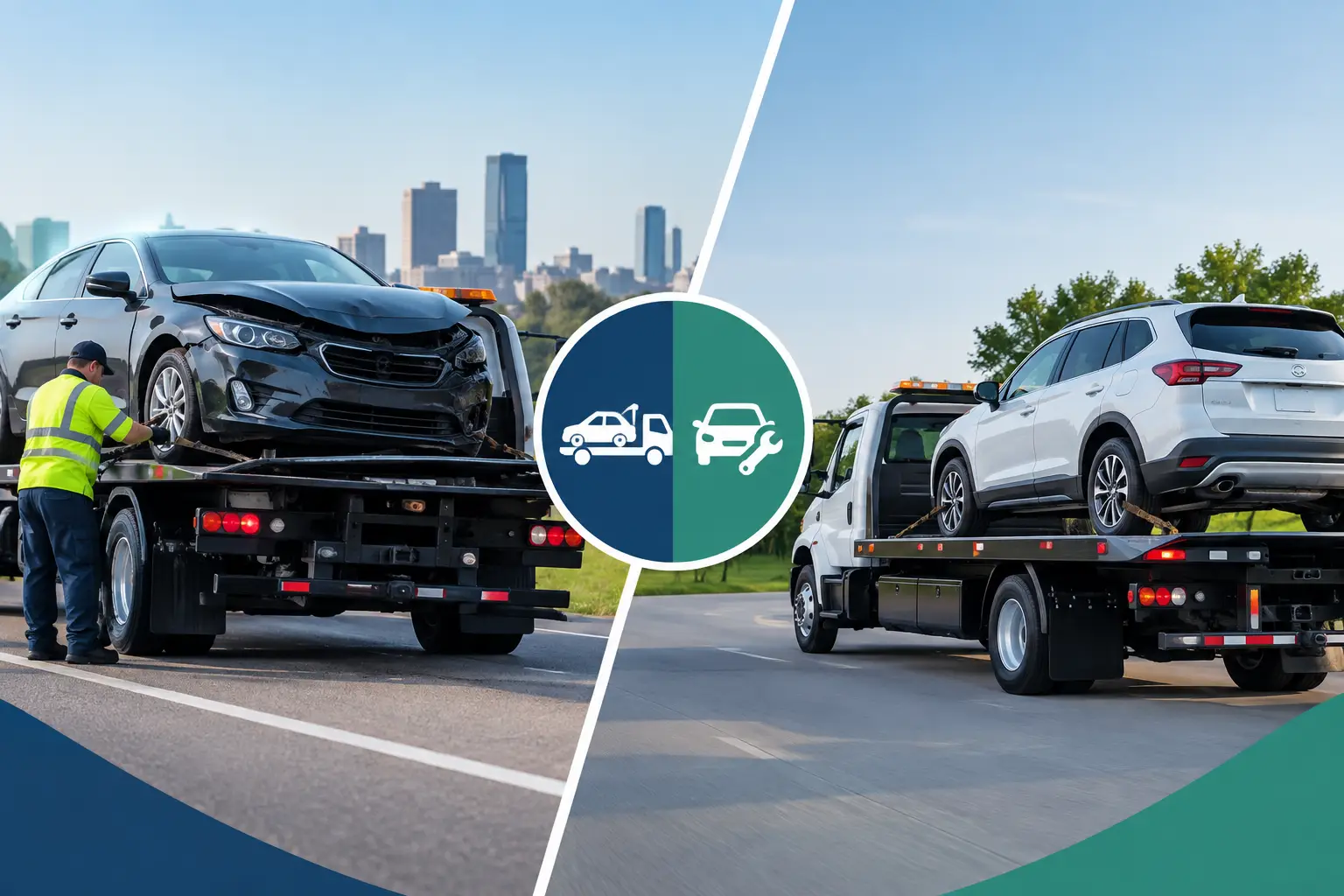
That is when having a company that handles both roadside assistance and flatbed towing can keep the situation from dragging out. Instead of trying to arrange separate help after the fact, the operator can assess what is happening and explain whether an on-site solution makes sense or whether the vehicle needs to go to a local repair shop or dealership.
For electric vehicles, all-wheel-drive vehicles, and cars with low ground clearance, proper transport matters. A flatbed is often the right choice when the vehicle cannot be safely driven. Careful loading prevents damage that can happen when a disabled vehicle is pulled or moved without the right equipment.
Tulsa Towing, powered by Neptune Towing, handles vehicle lockouts along with roadside and flatbed towing needs across Tulsa. The focus is straightforward: communicate clearly, use the right approach for the vehicle, and get the driver moving without adding damage or unnecessary complications.
A Few Habits That Reduce Future Lockouts
Lockouts are not always preventable, but a few simple habits reduce the odds. Keep a spare key with a trusted person rather than hidden on the vehicle. Replace a weak key fob battery before it quits completely. If your vehicle offers a phone app or digital key, make sure you know how it works before you need it and keep your phone charged.
It also helps to pause before closing the door when you are unloading kids, groceries, work equipment, or luggage. Many lockouts happen during rushed stops because the key is set down temporarily and forgotten. That short check can save a long wait in a parking lot.
If you are locked out now, do not let frustration push you into prying on a door or breaking glass. Get to a safe spot, confirm there is no emergency inside the vehicle, share accurate location details, and let someone with the proper tools handle the entry carefully.