A dead battery usually shows up at the worst time: before work, outside a store, or on the shoulder after a stop along I-44. The real question is not just whether the vehicle can be started. It is jumpstart versus battery replacement – will a boost get you moving for now, or is the battery finished and likely to leave you stranded again?
A jumpstart can be the right answer when the battery was drained by a simple mistake or unusual condition. But it does not repair a weak battery, loose connection, charging problem, or electrical draw. Knowing the difference can save you from getting a second no-start situation later the same day.
When a Jumpstart Is Usually Enough
A healthy battery can go dead even when nothing is actually wrong with it. Interior lights, headlights, a phone charger, or an accessory left on overnight can drain enough power that the engine will not crank. Very cold weather can also expose a battery that was already a little low.
If the vehicle started normally before the battery went dead, and you know why it was drained, a jumpstart may be all you need. Once started, driving long enough can help recover some charge, although an extended drive is not the same as properly charging and testing the battery.
The strongest sign that a jumpstart may solve the immediate problem is normal operation afterward. The engine cranks with confidence the next time you start it. The dash lights stay normal. There is no battery warning light while driving. That points toward a one-time drain rather than a battery that has reached the end of its service life.
Still, do not assume the problem is gone just because the engine started. If the battery was deeply drained, it may not fully recover. A battery already near the end of its life can also appear fine after a boost, then fail again after sitting for a few hours.
Jumpstart Versus Battery Replacement: The Real Decision
Battery replacement makes more sense when the battery is no longer holding a reliable charge. Most vehicle batteries do not fail all at once. They gradually lose capacity, especially through hot Oklahoma summers and repeated short trips that do not give the charging system much time to recharge them.
A battery that is around three to five years old deserves extra attention. Some last longer, and some fail sooner. Age alone does not prove it needs replacement, but an older battery with repeat no-starts is a practical reason to have it tested.
Replacement is usually the better call when the vehicle needs a jump more than once in a short period, starts slowly after being driven, or has trouble after sitting overnight. Clicking when you turn the key, dim headlights, slow power windows, and a weak or dragging crank can all point to low battery power.
Physical condition matters too. A swollen battery case, leaking fluid, a strong sulfur or rotten-egg smell, or heavily corroded terminals should not be ignored. Do not try to force a jumpstart on a battery that looks damaged. It needs professional attention, and the vehicle may need to be towed to a repair shop.
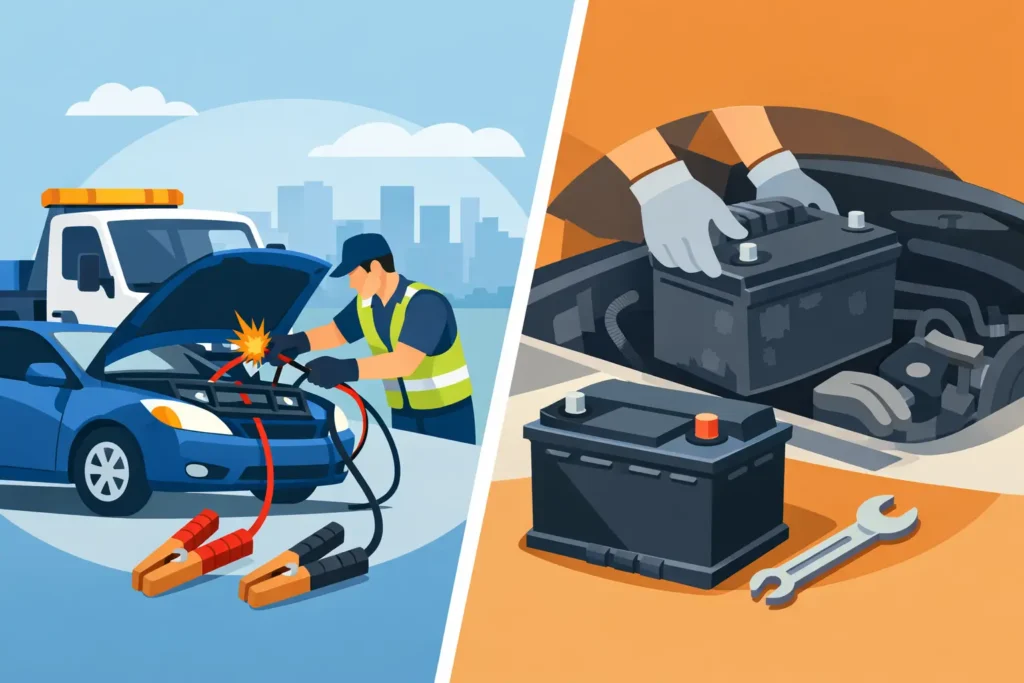
The practical difference is simple. A jumpstart gets power into the system long enough to start the engine. A battery replacement restores the vehicle’s ability to start reliably on its own. If the battery cannot hold a charge, repeated boosts only delay the problem.
A Dead Battery May Not Be the Battery
Not every no-start condition is caused by a bad battery. This is where drivers can waste money replacing a battery that was not the real issue.
A failed alternator can leave the battery drained because it is not charging while the engine runs. The vehicle may start with a boost, then lose power again after a short drive. A battery warning light on the dash, dimming lights while driving, or electronics acting strange can point to a charging-system problem instead of the battery itself.
Loose or corroded battery terminals can also block power from reaching the starter. The battery may be good, but the connection is not. A starter issue can create clicking or no-crank symptoms as well, even when the battery has enough power.
Then there are electrical drains. A trunk light, module, aftermarket accessory, or wiring problem can pull power from the battery after the vehicle is parked. If the battery repeatedly dies overnight but tests good, the vehicle needs diagnosis rather than another replacement battery.
This is why a jumpstart should be viewed as a quick roadside solution, not a final diagnosis. It tells you the vehicle had low available power. It does not always tell you why.
What to Do When Your Vehicle Will Not Start
First, make the situation safe. If you are in traffic, on a narrow shoulder, or in an unsafe parking area, do not spend time troubleshooting beside moving vehicles. Get clear of traffic if possible, turn on hazard lights, and call for help.
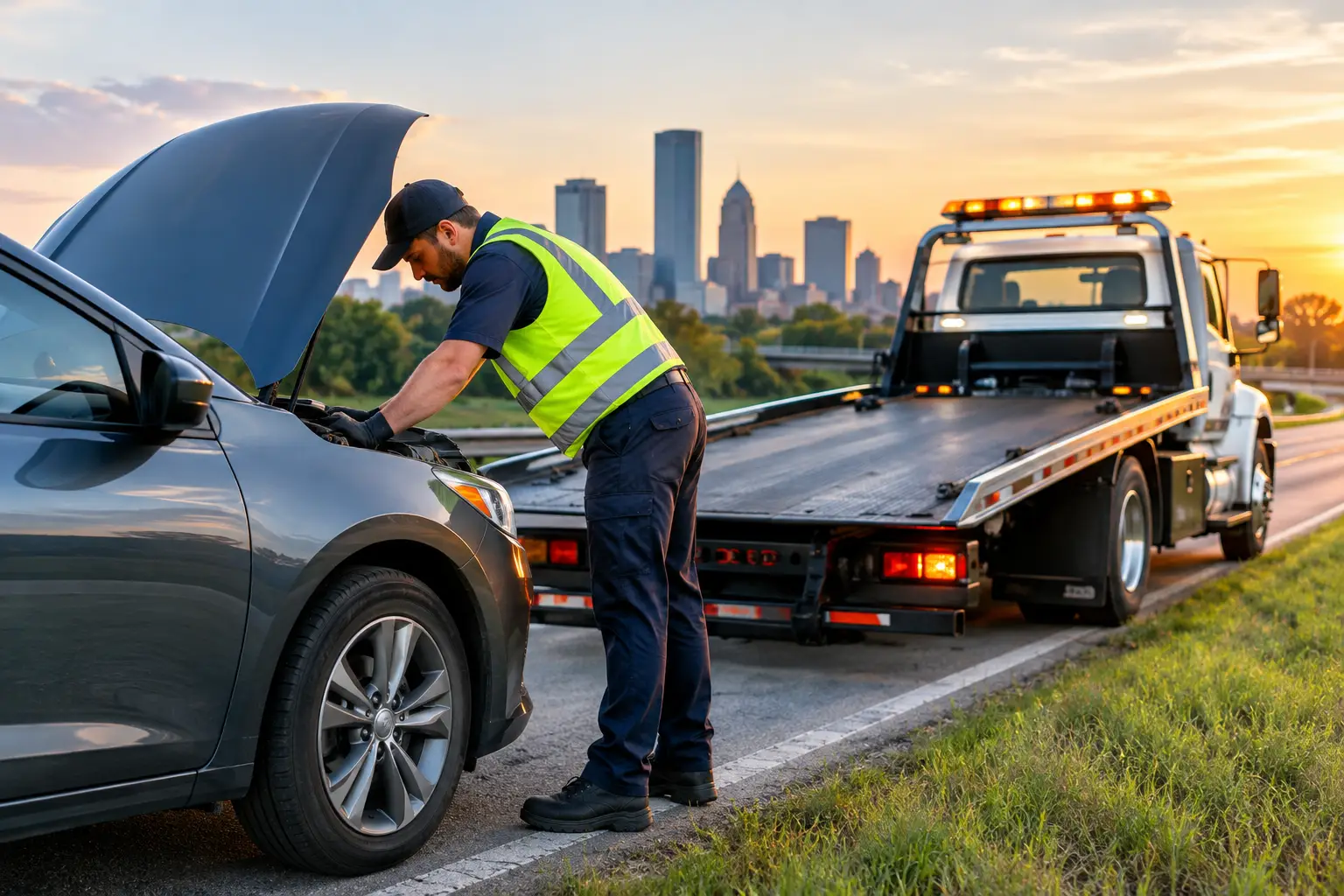
If you have jumper cables or a jump pack and know how to use them correctly, inspect the battery first. Do not jump a battery that is cracked, leaking, swollen, or frozen. Keep flames and sparks away from the battery area, and make sure both vehicles are in park or neutral with parking brakes set.
Modern vehicles also need more care than older cars. Incorrect connections can damage electronics, and some vehicles have designated jump points that should be used instead of connecting directly to the battery. For hybrid and electric vehicles, the main drive battery is not the battery used for a normal roadside boost. Many EVs, including Teslas, still have a separate low-voltage battery, but the manufacturer procedure matters.
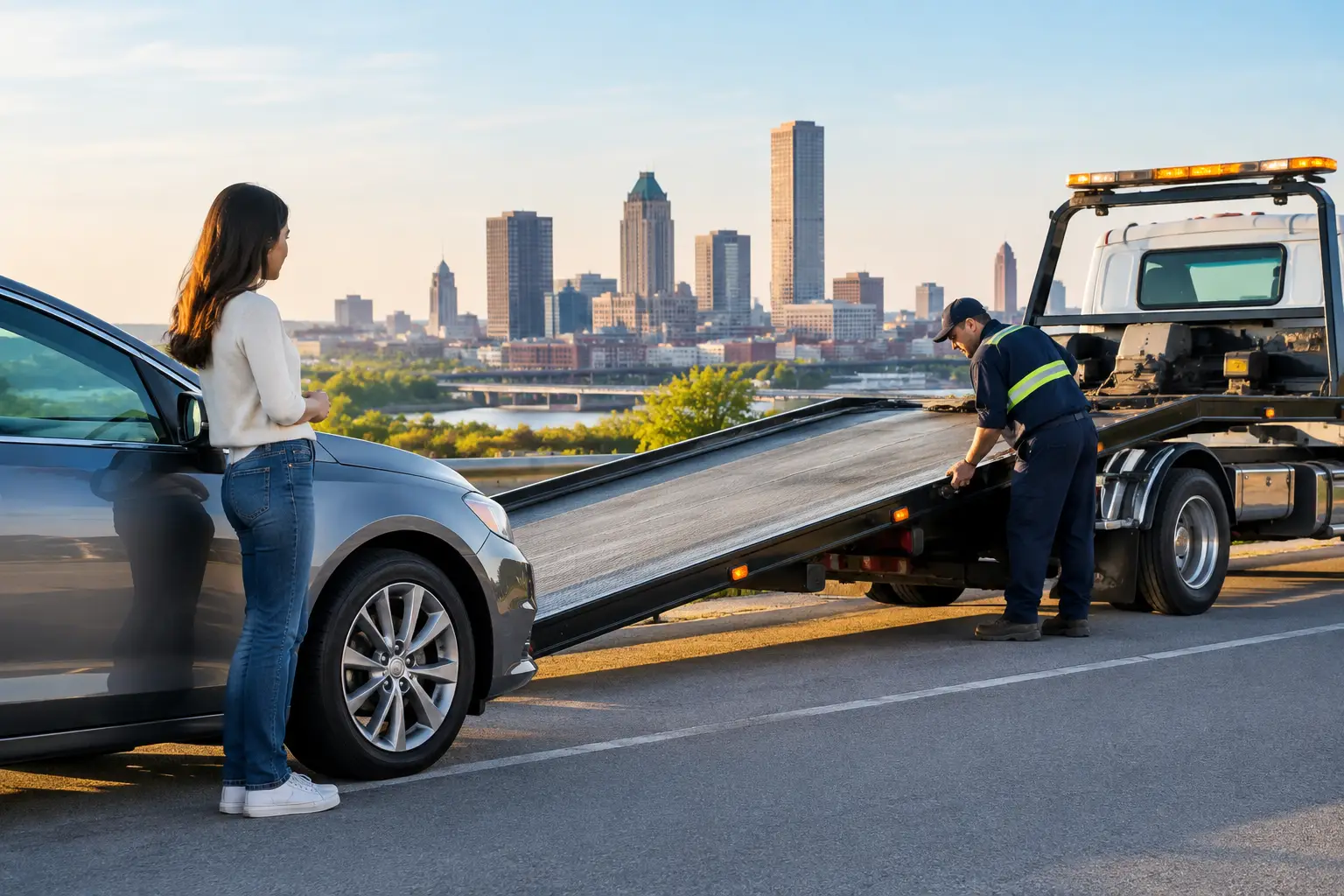
If you are unsure, roadside assistance is the safer move. A proper jumpstart can get the vehicle running without turning a manageable problem into electrical damage. If it will not stay running, needs repeated boosts, or shows signs of another fault, damage-free transport to a repair shop is the next sensible step.
After the Vehicle Starts, Do Not Ignore the Pattern
Once the engine starts, watch what happens next. If the battery warning light stays on, the vehicle is not charging correctly and should not be driven farther than necessary. If the engine runs normally but the next start is weak, plan on a battery and charging-system test soon.
Do not shut the vehicle off immediately after a boost unless you are already somewhere safe where it can be tested or serviced. If you are parked at home, that may be manageable. If you are in a busy area of Tulsa, Jenks, Bixby, or Broken Arrow, it may be smarter to drive directly to a service location or arrange a tow before the vehicle leaves you stuck again.
Short trips are especially misleading. A vehicle may start after a jump, run for ten minutes, and seem fine. Then it may not restart after you stop for gas. The alternator is designed to maintain a charged battery, not quickly restore a severely depleted or failing one.
When Towing Makes More Sense Than Another Boost
A jumpstart is not always the safest or most efficient option. If the vehicle is blocking traffic, stuck in a parking garage, on a highway shoulder, or in a place where it cannot be safely worked on, towing removes the immediate risk.
Towing also makes sense when the battery problem is paired with other symptoms. Maybe the vehicle died while driving, the battery light came on, the engine will not crank after multiple attempts, or there is visible battery damage. In those cases, getting the vehicle to a shop is more useful than trying to get one more start.
Tulsa Towing handles roadside jumpstarts when a boost is appropriate and can safely transport a disabled vehicle when it is not. The goal is straightforward: get you out of the unsafe spot, avoid unnecessary damage, and get the vehicle where it can be properly checked.
A dead battery is frustrating, but the next step does not have to be complicated. If this is the first time and there is a clear reason it drained, a jumpstart may get you back on the road. If it keeps happening, treat that repeat failure as the warning it is and have the battery and charging system checked before the next no-start catches you somewhere worse.