A tire problem rarely waits for a convenient place to happen. It shows up on I-44 during a commute, in a grocery store parking lot, or when you are trying to get home through South Tulsa after dark. Knowing the signs your tire needs help gives you a chance to stop safely before a low tire turns into a blowout, wheel damage, or a vehicle that cannot move.
Some tire issues can be handled with air or a spare. Others mean you should not drive another mile. The difference matters, especially on busy roads such as US 75, Highway 169, Memorial Drive, and Riverside.
Signs Your Tire Needs Help Right Now
The tire pressure warning light stays on
A tire pressure light does not always mean a flat, but it does mean something needs attention. A small temperature change can lower tire pressure enough to trigger the warning, particularly during colder Oklahoma mornings. Check all four tires as soon as you can, including the one that may not look low at first glance.
If you add air and the light returns within a day or two, the tire may have a nail, screw, leaking valve stem, or a slow leak around the wheel. Keep in mind that the warning light may come on after the tire is already noticeably low. Do not assume the vehicle is safe to drive just because it still feels normal from the driver’s seat.
One tire looks low or flat
This is the obvious one, but it is also where drivers can make an expensive mistake. A tire that looks low may still hold enough air to roll, but driving on it can crush the sidewall between the wheel and the road. That can destroy a tire that might otherwise have been repairable.
If the tire is completely flat, pull into a safe area if possible and stop. Do not keep creeping along to the next exit, gas station, or parking lot unless there is an immediate safety reason to move. A few hundred yards on a flat can damage the wheel, the tire pressure sensor, and the tire itself.
You feel a new vibration through the steering wheel or seat
A steady vibration at highway speed can come from tire damage, a wheel issue, or something as simple as a wheel weight that came off. A vibration that starts suddenly deserves more caution, especially if it gets worse as speed increases.
If the steering wheel shakes, one of the front tires or wheels may be the issue. If you feel it more in the seat or floor, it may be coming from the rear. Either way, slow down, avoid hard braking, and find a safe place to inspect the tires. A separated tire belt can cause a strong thumping or shaking feeling even when the tire still appears inflated.
The vehicle pulls to one side
A vehicle that drifts or pulls can be an alignment issue, but it can also point to uneven tire pressure or tire damage. Start with a visual check. If one tire looks lower than the others, do not keep driving and hope it straightens out.
A pull that begins right after hitting a pothole, curb, or road debris is more concerning. The impact may have damaged the tire, bent a wheel, or affected the steering and suspension. If the pull is severe, the steering feels loose, or the vehicle will not track straight, the safer move is to have it transported rather than driven to a shop.
You hear a repeating thump, slap, or flapping sound
Road noise changes from one stretch of pavement to another, so not every sound means trouble. But a repeating thump that matches wheel speed is worth checking. It may be caused by a bulge, separated belt, uneven tread, or debris caught in the tire.
A flapping sound can mean part of the tread has started to peel away. Pull over as soon as it is safe. Tread separation can worsen quickly at highway speed and may damage the fender or underside of the vehicle when loose rubber comes apart.
Damage You Should Never Ignore
A bubble or bulge in the sidewall
A sidewall bubble is not a cosmetic issue. It usually means the internal cords that give the tire its structure have been damaged, often from a pothole, curb strike, or hard impact. The rubber may look intact on the outside, but the tire is weakened underneath.
Do not try to drive on a tire with a bulge, even for a short trip to a tire shop. It can fail without much warning. Use a properly inflated spare if you have one and know it is safe to install, or arrange roadside help and a tow.
You can see cords, fabric, or metal through the tread
Tires have layers beneath the rubber. When cords or fabric are visible, the tread is worn beyond safe use. This can happen from neglected wear, poor alignment, or a tire that has been driven too long while underinflated.
There is no temporary fix for exposed cords. The tire needs replacement. If it is on the vehicle now, do not take the chance on a high-speed drive across town. The tire has lost a major part of its strength.
The tread is worn nearly smooth
Worn tires may still feel fine in dry weather, which is why drivers sometimes put off replacement. The real problem appears when rain hits the road. With limited tread, the tire cannot move water out of the way effectively. Braking distances increase, traction drops, and hydroplaning becomes more likely.
Look for the tread wear bars built into the grooves. When the surrounding tread is level with those bars, the tire is worn out. Uneven wear is also a warning sign. Wear concentrated on one edge can point to alignment problems, while wear in the center or on both outer edges often points to pressure problems.
There is a nail or screw in the tread
A screw in the center portion of the tread does not always require an immediate stop if the tire is holding air and you can safely reach a nearby tire professional. Do not pull it out on the roadside. It may be slowing the air leak.
The situation changes if the tire is losing pressure quickly, the object is near the sidewall, or the tire has already gone flat. Sidewall punctures generally cannot be repaired safely. If you are uncertain how much air remains, treat it as a roadside issue instead of gambling on the drive.
What to Do When You Notice a Tire Problem
First, reduce speed gradually and avoid sudden steering inputs. Turn on your hazard lights when traffic conditions call for it, then move as far away from moving traffic as possible. On a highway shoulder, stay alert to passing vehicles and avoid standing near the traffic side of the car.
Check the tire from a safe position. Look for obvious damage, listen for escaping air, and compare its shape to the other tires. If the tire is flat, has a sidewall bulge, shows cords, or the wheel is sitting low, do not drive it. A spare is an option only when it is properly inflated, the vehicle is on stable ground, and you can change it without putting yourself at risk.
Some vehicles, including many newer cars and electric vehicles, may not carry a spare at all. Others use a temporary spare with speed and distance limits. Read the tire label before assuming it is good for normal driving. A compact spare is meant to get you to a repair location, not carry you through days of regular use.
When Roadside Help Makes More Sense Than Driving
Calling for help is the practical choice when you are on a busy roadway, the tire is badly damaged, you do not have a usable spare, or the vehicle is parked where a tire change is unsafe. It also makes sense when you suspect wheel damage after a pothole or curb hit. A new tire will not solve the problem if the wheel is bent or cracked.
For drivers in Tulsa, Jenks, Bixby, and Broken Arrow, location affects the decision. A flat in a quiet driveway is different from a flat beside highway traffic or in a tight downtown parking garage. The goal is not to prove you can get the vehicle moving. The goal is to avoid making a manageable tire problem worse.
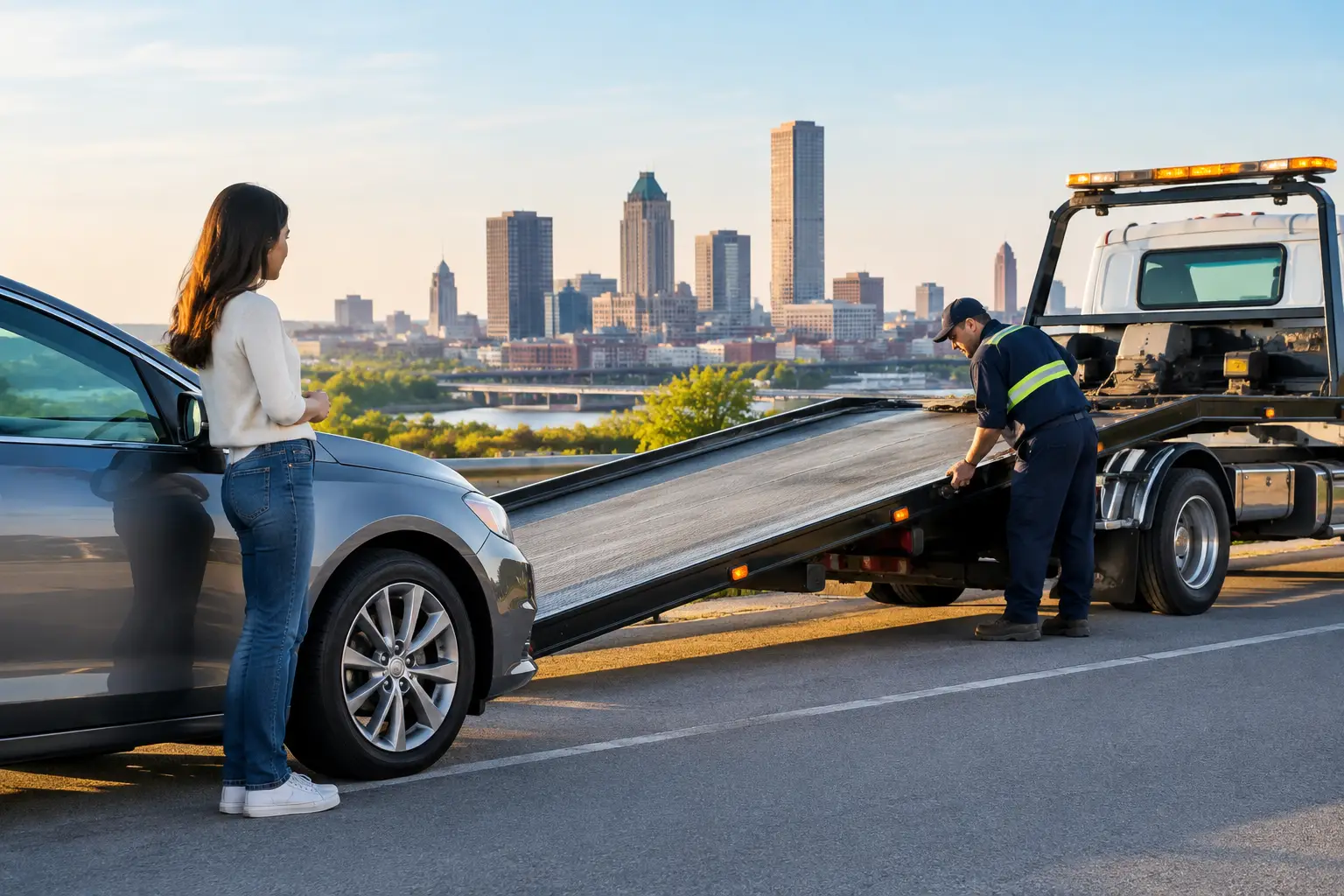
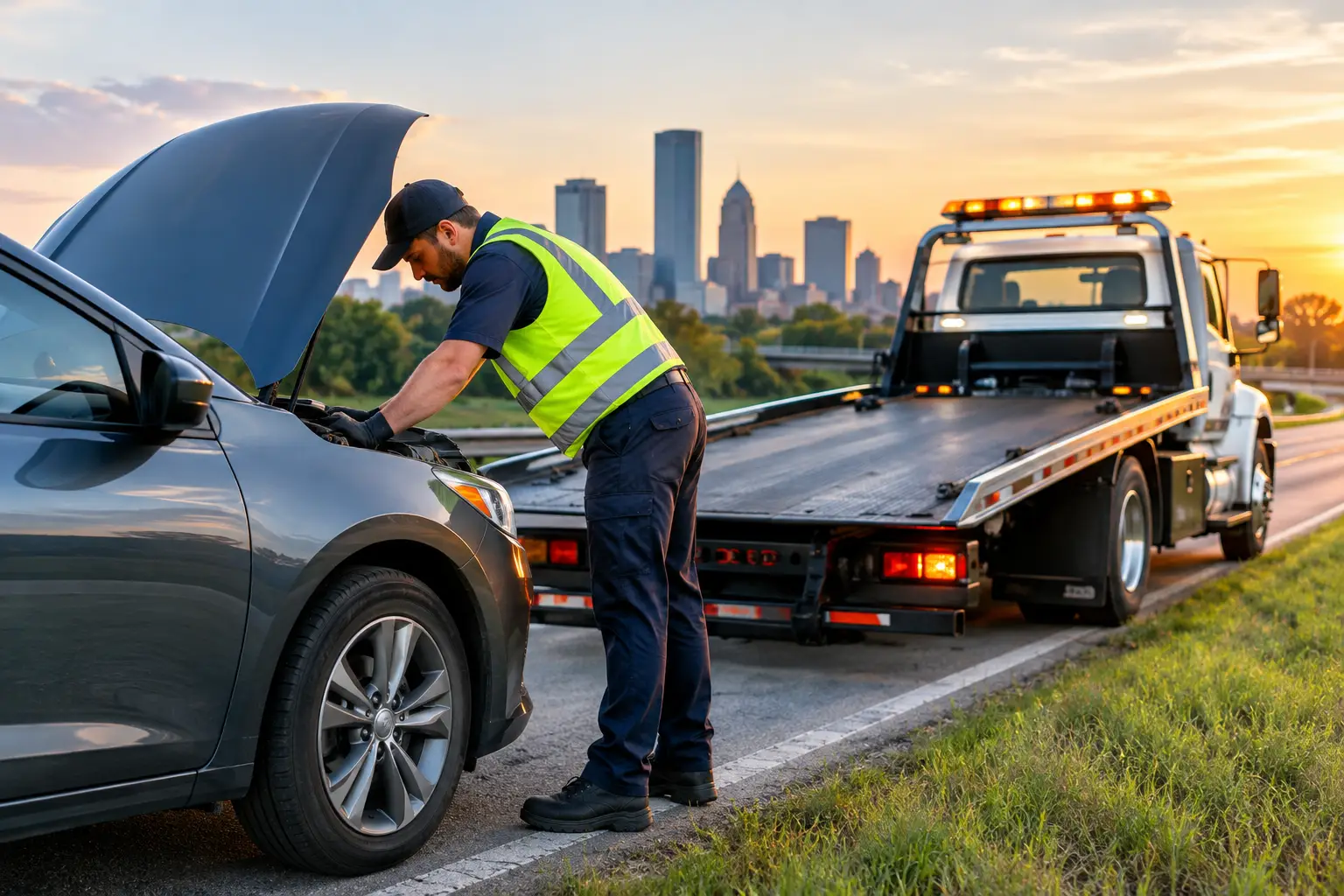
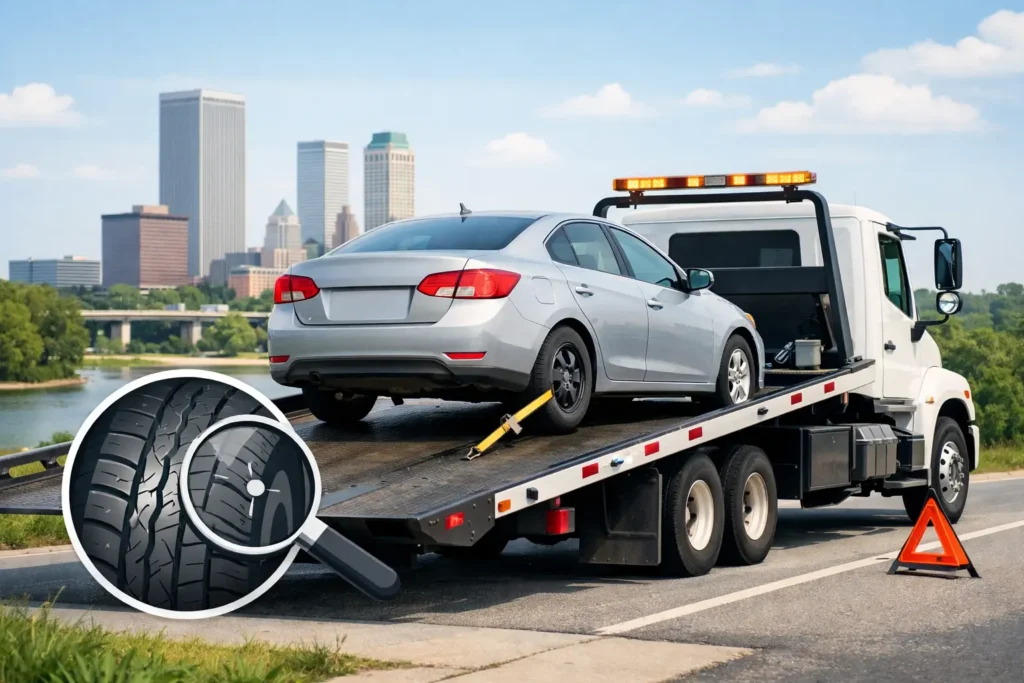
Tulsa Towing can provide flat tire help when a safe on-site solution is possible or use proper flatbed equipment to transport a disabled vehicle to the repair shop or dealership you choose. That is often the better call for low-clearance cars, heavy-duty trucks, and EVs that need careful handling.
A tire does not need to be completely flat to need attention. When the warning signs show up, take them seriously, get out of traffic safely, and make the next move based on the condition of the tire rather than how badly you need to keep driving.