A disabled car on the shoulder changes your priorities fast. When people search for neptune towing, they are usually not researching for later – they need clear answers right now about response time, vehicle handling, and whether the job will be done without adding more stress.
That urgency changes what matters. You are not looking for vague promises or broad coverage that sounds good on paper. You need to know whether the towing company can get to you quickly, communicate clearly, and move your vehicle safely to the place you choose.
What Neptune Towing should mean to a driver
At its best, neptune towing should signal a straightforward service model built around immediate roadside problems. That means dispatch that makes sense, realistic arrival updates, and a technician or tow operator who understands that the vehicle issue is only part of the problem. The bigger issue is that you may be stuck in traffic, blocking a lane, stranded in a parking lot, or dealing with the aftermath of a collision.
In that moment, speed matters, but speed without care is not enough. A rushed hookup, poor communication, or the wrong towing method can create new damage and new costs. The right towing service balances urgency with proper handling. That is the difference between getting help and getting another problem.
For most drivers, the basics are simple. They want to know whether someone is coming, how long it should take, what kind of help is possible at the scene, and where the vehicle can be taken. A good towing operation answers those questions quickly and clearly.
When towing is the right call and when roadside help may be enough
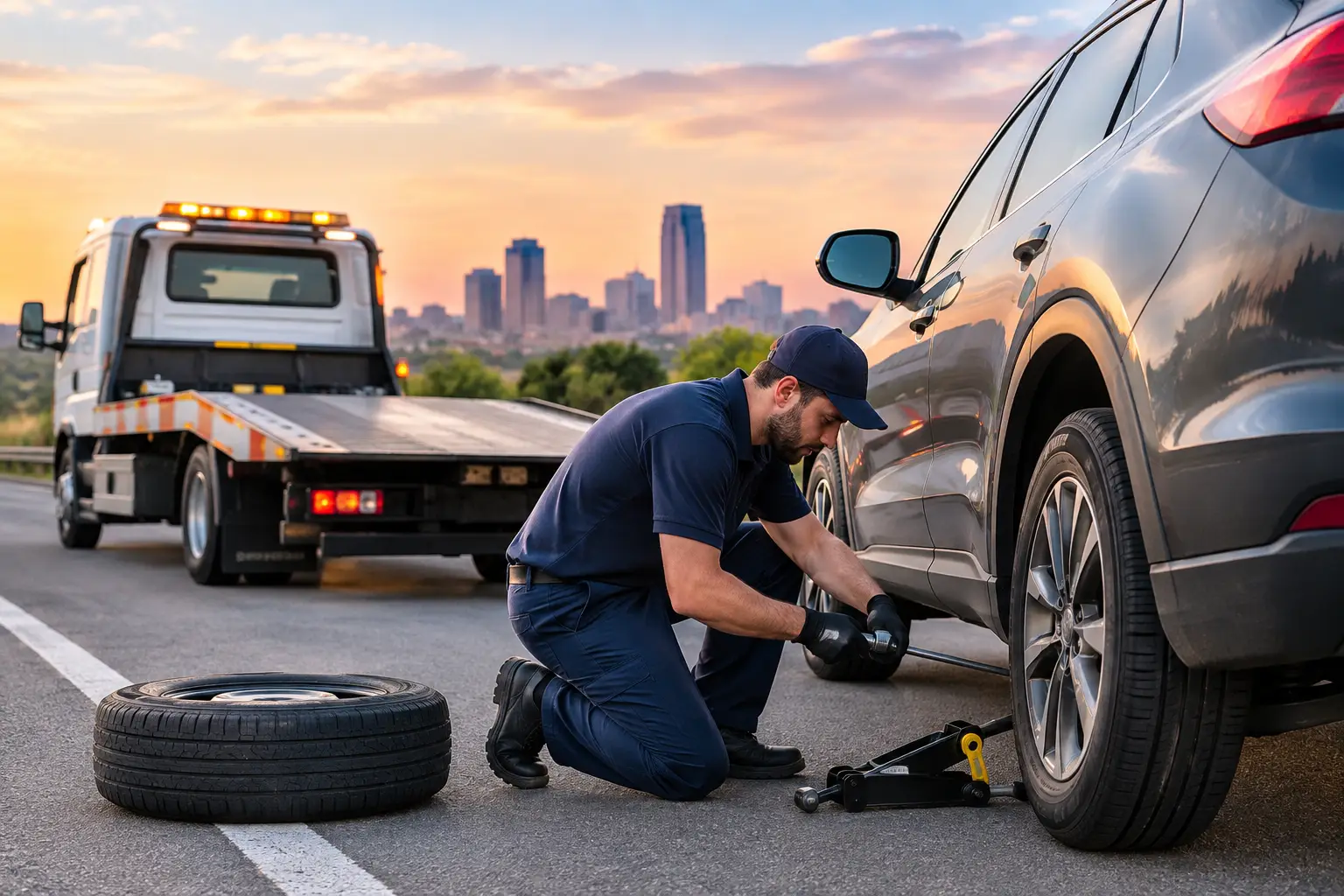
Not every breakdown needs a full tow. In some situations, roadside assistance is the faster and cheaper option. A flat tire, a weak battery, or a minor issue that prevents safe driving may be fixable where the car sits. If that can be done safely, it usually saves time.
Still, it depends on the condition of the vehicle and the location. A flat tire on a quiet side street is different from a flat tire near heavy traffic. A battery issue in a driveway is different from a battery problem in an unsafe shoulder area. If the vehicle cannot be made safe to drive, towing is the right move.
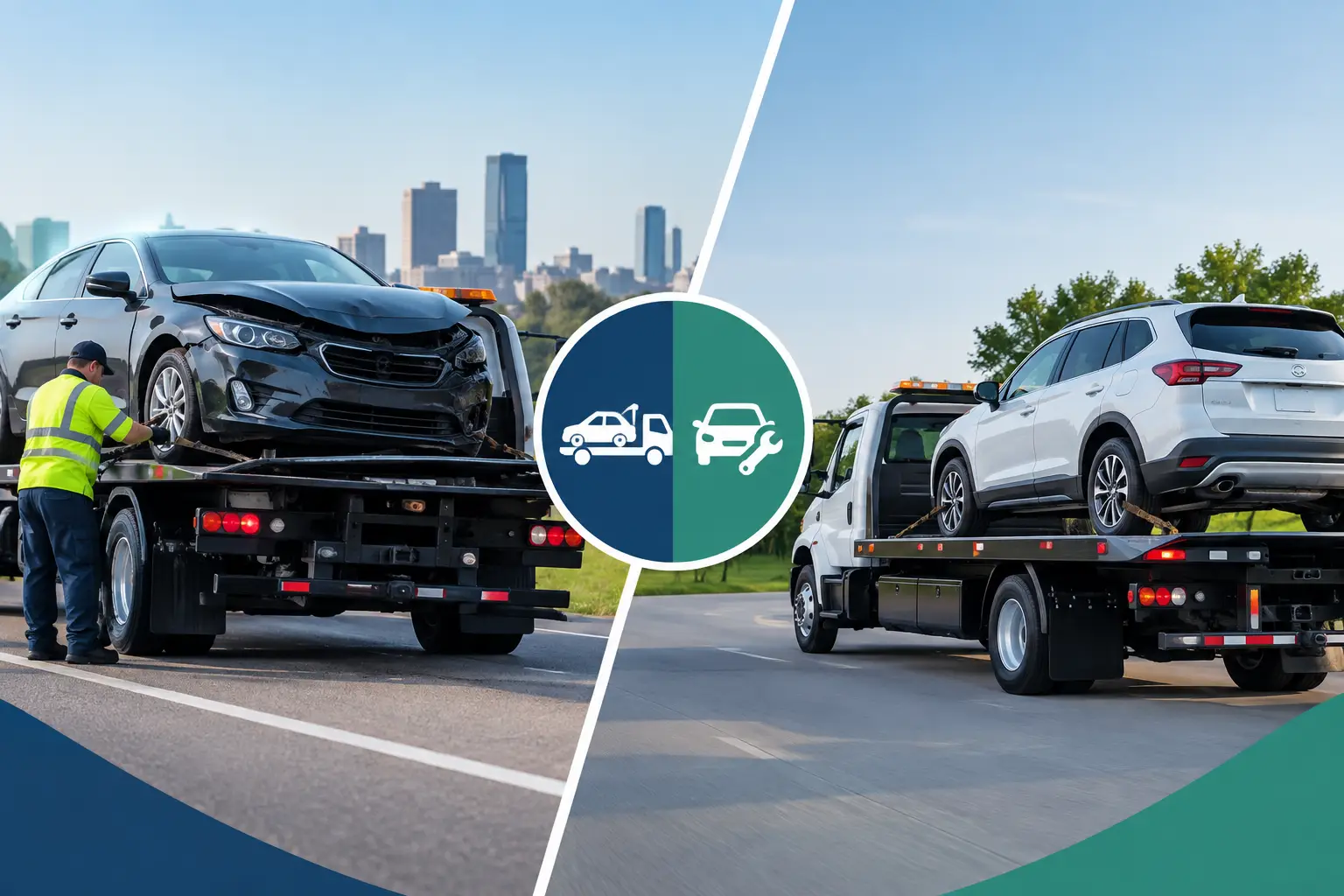
The same applies after an accident. Even when damage looks minor, steering, suspension, cooling components, or wheel alignment may be affected. If there is any doubt about whether the car can be driven without risk, transport is the safer choice. A dependable towing service should not pressure you into one option or the other. It should explain what can be done and move quickly once a decision is made.
What to expect from a local towing response
A local towing company should feel organized from the first call. That starts with asking the right questions: your location, the vehicle type, whether the car is in traffic, whether it was in an accident, and where you want it taken. Those details are not just routine. They determine what truck to send, what equipment is needed, and how quickly the scene can be cleared.
Clear communication matters as much as equipment. If a company cannot explain what is happening, customers are left guessing during an already stressful situation. Good dispatch does not overpromise. It gives a realistic time frame, updates you if conditions change, and confirms the destination before the vehicle is moved.
That customer-directed destination is more important than many drivers realize. Sometimes the right move is a repair shop. Sometimes it is a dealership. Sometimes it is your home, where you can make a better decision once the immediate problem is over. A service-first towing company understands that the vehicle belongs where the customer wants it, not where it is most convenient for the tow operator.
Why careful handling matters more than most people think
Drivers often focus on arrival time first, which is understandable. But vehicle handling is what protects you from turning one bad day into an expensive repair bill. Proper loading angles, the correct hookup points, and the right towing method all matter.
This is especially true with lower-clearance vehicles, all-wheel-drive systems, damaged suspension components, or cars that have already been involved in a crash. The wrong approach can scrape bodywork, stress drivetrain components, or cause movement that worsens existing damage. Even a short city tow needs to be done correctly.
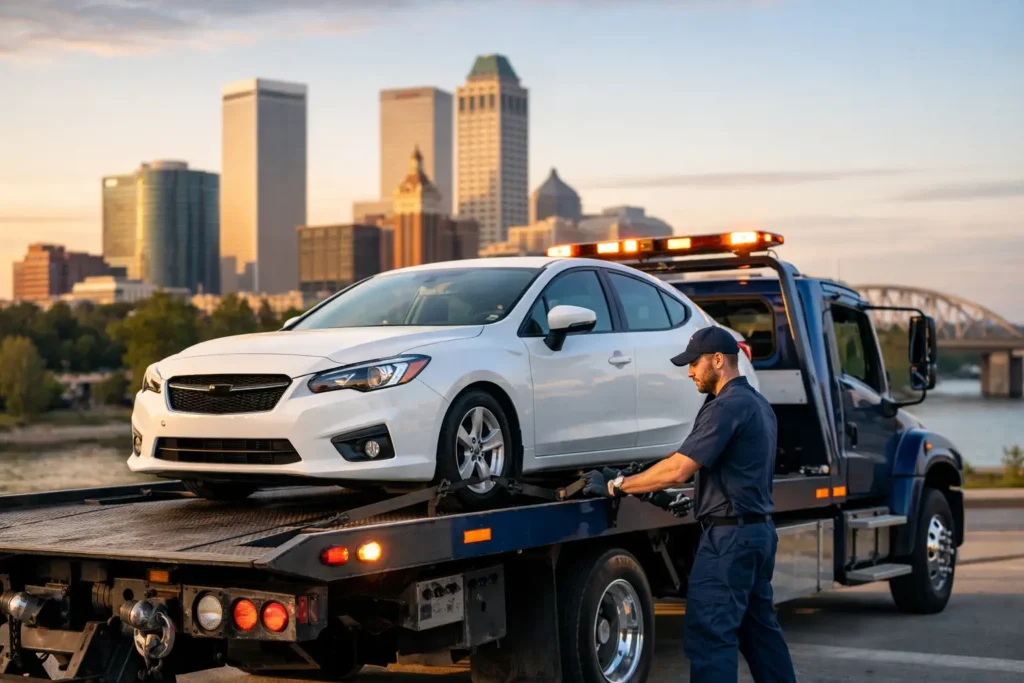
A reliable operator should treat damage-free towing as the standard, not as an extra. That means paying attention to the condition of the vehicle before loading, adjusting for road conditions, and securing the car properly for transport. Fast service is valuable, but careful service is what you remember afterward.
Neptune towing and the value of staying local
There is a practical advantage to a towing company that focuses tightly on one city instead of trying to cover an oversized region. Local routes are more familiar. Dispatch decisions are faster. Common trouble spots are easier to reach because the team already understands traffic patterns, access issues, and the best approach to specific areas.
For a driver, that local focus usually leads to more predictable service. It can mean shorter travel times to the scene and fewer handoffs between different service zones. It also supports better communication because the dispatcher and operator are working in a smaller, more controlled area.
That does not mean every call will move at the same speed. Traffic, weather, crash volume, and exact location can all affect response time. But a city-focused model tends to reduce avoidable delays. When your vehicle is disabled, reducing uncertainty matters almost as much as reducing wait time.
What drivers should ask before agreeing to a tow
In an emergency, nobody wants a long checklist. Still, a few basic questions can prevent confusion. Ask how soon help is expected, whether roadside service is possible before towing, and where the vehicle can be delivered. Confirm that the company understands your exact location and the condition of the car.
It also helps to ask whether the vehicle will be handled with the proper towing method for its condition. You do not need technical language. A simple question about how they plan to move the vehicle is enough. A professional company should be able to answer plainly.
If your car has been in an accident, mention any visible damage, leaking fluids, or wheel issues right away. If it will not go into neutral, say that. If it is stuck in a garage, parking structure, or tight lot, say that too. The more accurate the information, the more likely the right truck arrives the first time.
The difference between emergency towing and impound-focused work
Drivers dealing with a breakdown usually want one thing: quick, respectful help getting the vehicle where it needs to go. That is different from an impound or storage model, where the process is built around holding vehicles. In a roadside emergency, most people are better served by a towing company focused on direct assistance and customer-selected delivery.
That difference shows up in the experience. Service-first towing keeps the job simple. The goal is to reach the vehicle, assess whether roadside help can solve the problem, tow if needed, and complete the transport without unnecessary complications. That is the kind of approach stressed drivers respond to because it reduces friction at every step.
One example of that local, service-first model is Tulsa Towing, powered by Neptune Towing in Tulsa, OK. The focus stays on fast dispatch, careful handling, and getting disabled vehicles to the destination the customer chooses.
What matters most when the car will not move
When you are stranded, the right towing service is not the one with the loudest message. It is the one that answers the phone, understands the situation, and handles the vehicle correctly from pickup to drop-off. That is what people are usually looking for when they search for neptune towing.
The real test is simple. Can the company reduce confusion, protect the vehicle, and get you out of a bad spot without creating a second problem? If the answer is yes, that is the kind of help worth calling when the day stops on the side of the road.
If your vehicle is disabled and you are trying to make a fast decision, look for calm communication, local knowledge, and careful handling first. Those are the things that still matter after the tow is over.