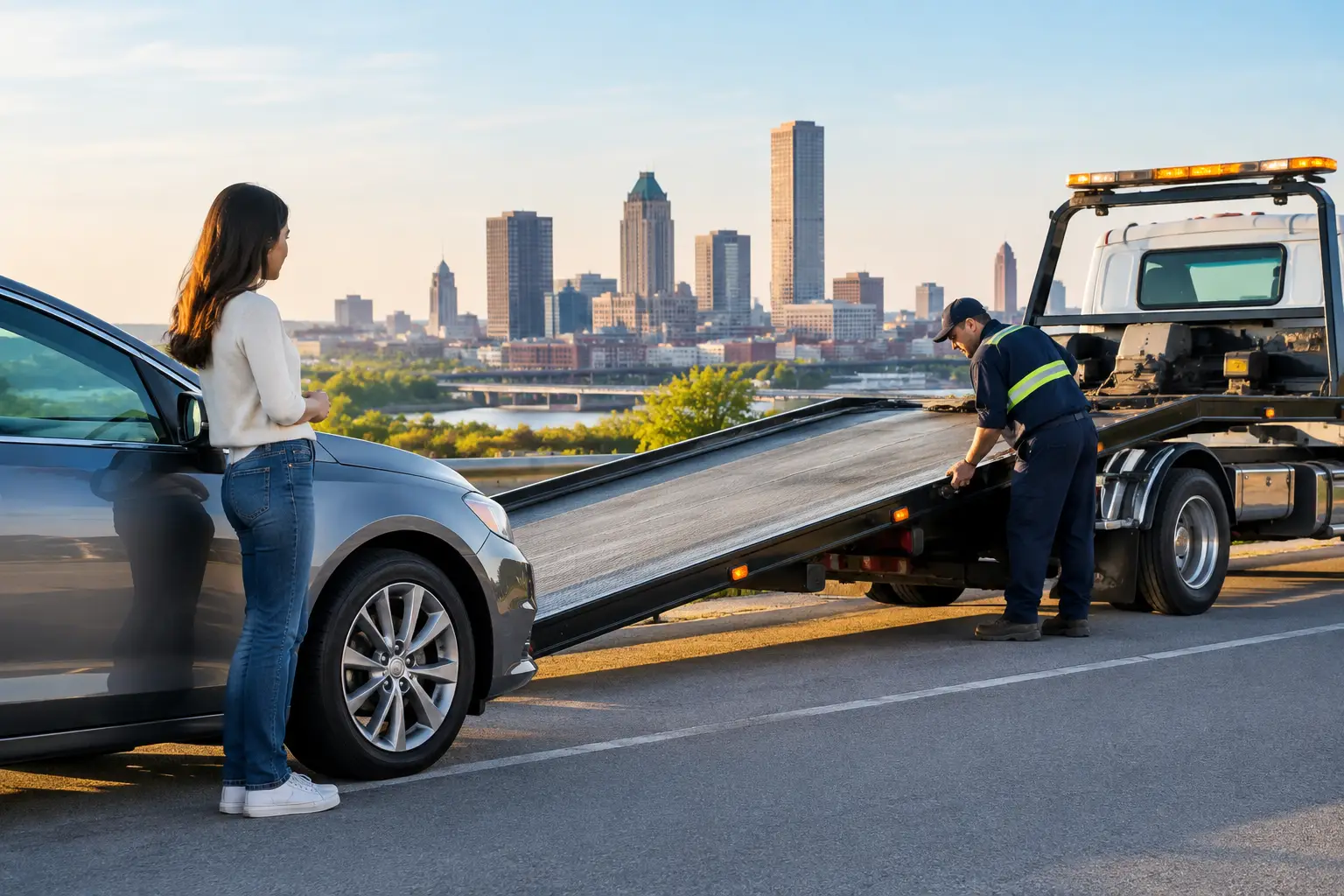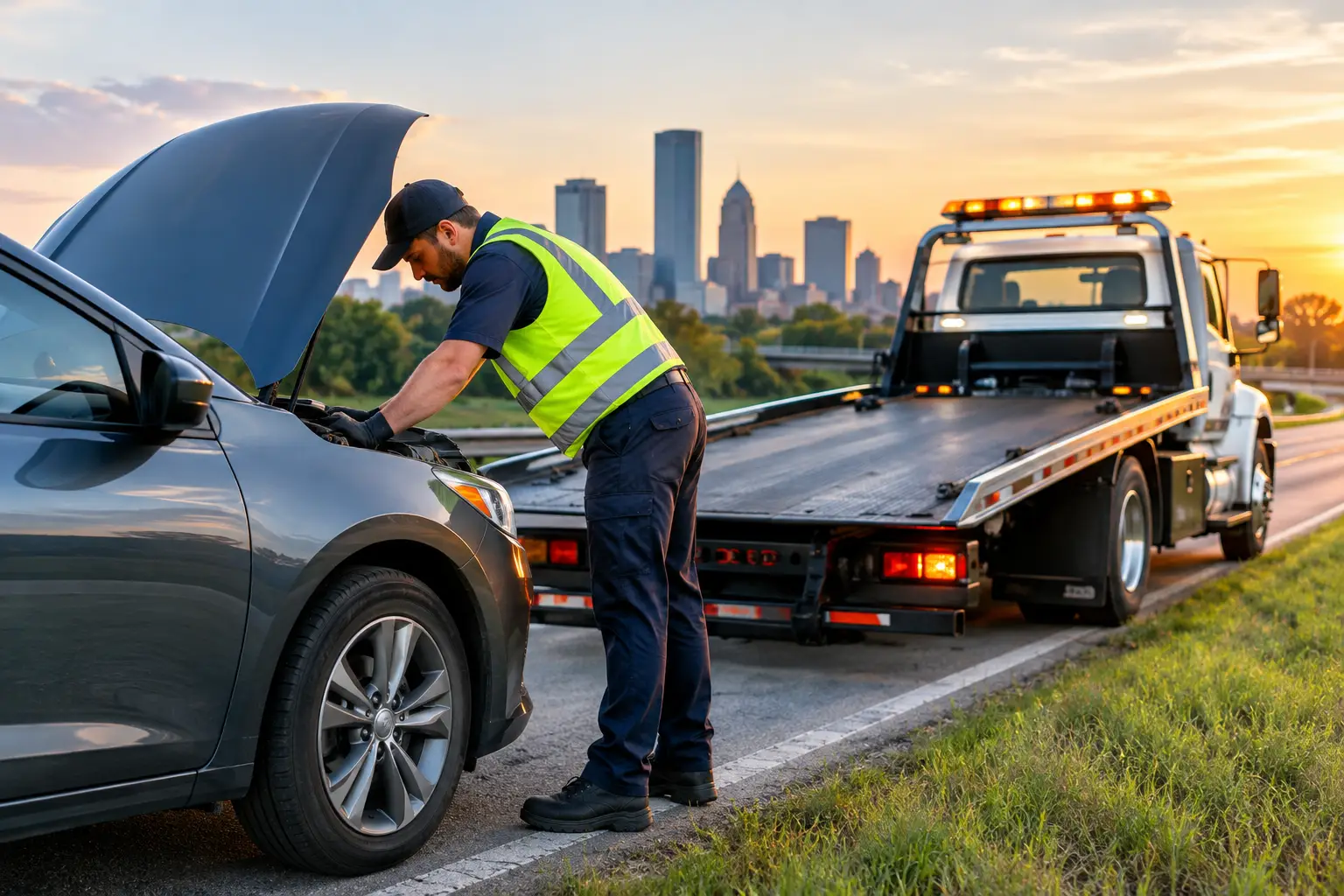
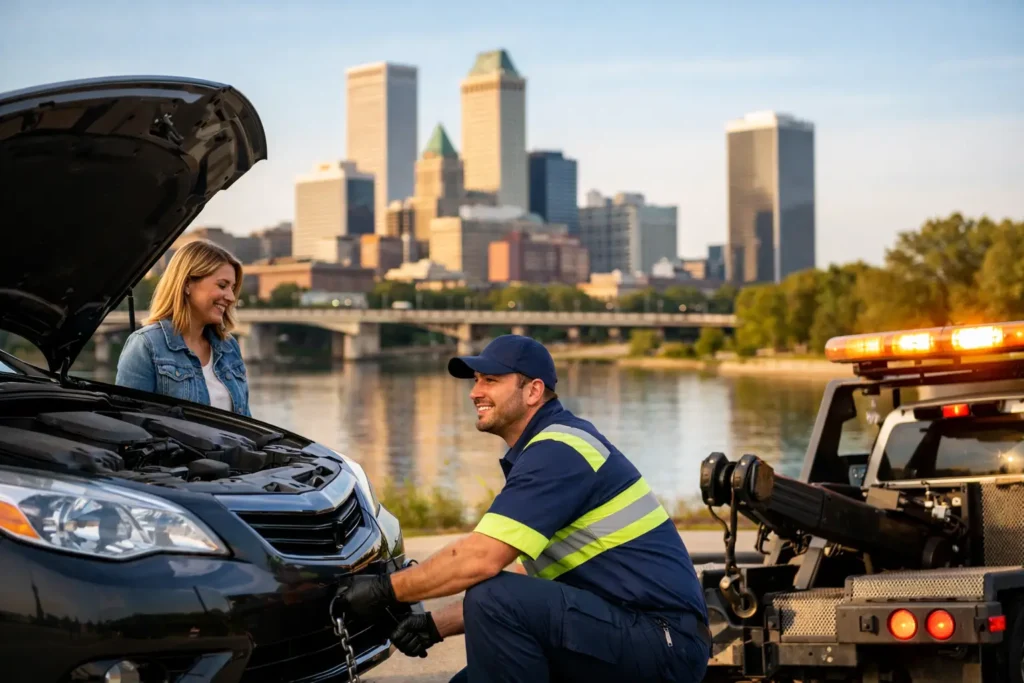
A flat tire on Memorial during rush hour feels different than a flat tire in your driveway. A dead battery in a packed parking lot, a car that stalls near I-44, or a vehicle that will not restart after a quick stop can turn an ordinary day into a problem that needs immediate action. That is why roadside assistance Tulsa drivers rely on should be simple, fast, and focused on getting you safe first.
When you are stranded, you are not looking for a long explanation. You need to know whether help can reach you quickly, whether your vehicle will be handled the right way, and whether the company on the phone will tell you clearly what happens next. Good roadside service is not just about arriving with the right tools. It is about reducing confusion in a stressful moment.
What roadside assistance in Tulsa should actually do
Roadside assistance is often treated like one general service, but real vehicle problems do not all work the same way. Some issues can be fixed where your car sits. Others need a tow because moving the vehicle any farther could make the problem worse or put you at risk in traffic.
That distinction matters. If you have a flat tire and a usable spare, the job may be a tire change. If the tire is shredded, the wheel is damaged, or the car is parked in a dangerous position, towing may be the safer choice. If your battery is dead, a jump-start may solve it. If the battery fails again immediately or the electrical system is acting up, the better move may be transport to a repair shop or dealership.
The best roadside assistance starts with a clear assessment. You describe what happened, where you are, and whether the vehicle is safe to access. From there, the response should match the problem instead of forcing a one-size-fits-all solution.
The most common roadside assistance Tulsa calls involve
Most roadside emergencies are not dramatic. They are frustrating, inconvenient, and time-sensitive. That is exactly why response quality matters so much.
Flat tires
Flat tires are one of the most common reasons drivers call for roadside help. Sometimes the issue is simple: the spare is good, the lug nuts can be removed, and the vehicle can be put back on the road quickly. But not every tire call is that clean. A missing spare, damaged wheel, stripped lug nuts, or a bad location can turn a basic tire change into a towing job.
In those situations, speed matters, but so does judgment. Pushing through an unsafe roadside repair just to avoid a tow is not always the right answer.
Dead batteries and no-start problems
A battery-related call may sound straightforward, but there is often some troubleshooting involved. If the lights are dim or the engine clicks, a jump-start may be enough. If the vehicle starts and dies again, the issue may be bigger than the battery alone.
What drivers need most here is honesty. A quick roadside attempt is useful when it has a good chance of working. If it does not, the next step should be clear without wasting more of your time.
Minor mechanical problems
Some breakdowns happen without warning. A hose issue, overheating concern, or other minor mechanical problem can leave the car disabled even if nothing has failed catastrophically. In these cases, the goal is not to force the vehicle to move. It is to prevent additional damage and get it where you want it to go safely.
Vehicles that should not be driven
After a collision, steering issue, suspension problem, or sudden breakdown, the biggest mistake is often trying to limp the vehicle a few more miles. If the car is not safe to operate, roadside service should shift immediately from repair attempt to careful towing.
Why local response matters more than big coverage promises
When drivers search for roadside assistance Tulsa service, they usually want one thing above everything else: a truck that knows the area and can get there without delays. Broad coverage sounds good on paper, but local focus often leads to better real-world response.
Tulsa traffic patterns are not the same across the city. A call near US-75, Riverside, Tulsa Hills, or a busy commercial area creates different access issues depending on the time of day and where the vehicle is stopped. A local-only operation understands those patterns, knows the common trouble spots, and can communicate in practical terms instead of vague arrival windows.
That local model also helps with consistency. If a company works only within city limits, it is not stretching resources across multiple markets or treating Tulsa as one stop in a larger route. The service is built around one area, and that usually shows up in dispatch speed and cleaner communication.
What to do while you wait for roadside help
Your first job is safety. If the car can be moved out of traffic without making the problem worse, move it to a safer spot. If it cannot, turn on your hazard lights and stay aware of surrounding traffic. On a shoulder, in a tight lot, or near a busy road, where you stand matters just as much as what is wrong with the vehicle.
Once you call, be ready with exact location details. Street names, nearby landmarks, parking lot sections, travel direction, and any access issues can save time. Saying you are “near Tulsa Hills” helps, but saying you are on the outer road by a specific entrance helps much more.
It also helps to describe the vehicle problem in plain language. You do not need to diagnose it. Just explain what happened. Did the engine die while driving? Did it fail to start after parking? Is the front tire flat or is the wheel itself damaged? Clear details help the right truck and equipment get dispatched the first time.
When roadside assistance is enough and when you need a tow
This is where experience matters. Drivers often call hoping for the fastest possible fix, which makes sense. But the fastest outcome is not always a roadside repair. Sometimes the quickest way to solve the problem is to stop trying to restart or move the vehicle and tow it directly to a repair shop.
If the vehicle has a flat but your spare is missing, roadside tire service will not put you back on the road. If the battery keeps failing after a jump, staying put and arranging a tow may save you from being stranded again a mile later. If there has been an accident or visible mechanical damage, driving it at all may create more risk.
A dependable roadside provider should make that call based on safety and practicality, not guesswork. That means listening to what happened, asking direct questions, and being willing to say when towing is the better option.
What good communication looks like during a roadside call
In an emergency service business, communication is part of the service. Drivers need to know that their call was understood, that the location is confirmed, and that the next step is already in motion.
That does not mean overexplaining everything. It means being direct. What type of help is being sent? Is this likely to be handled roadside, or should you expect a tow? Where will the vehicle go if towing is needed? Those details reduce stress because they replace uncertainty with a plan.
This is one reason a straightforward local model works so well. Companies built around emergency response inside Tulsa can keep the process focused. The call comes in, the service type is confirmed, the truck is dispatched, and the vehicle is either fixed where it sits or delivered where the customer wants it to go. No extra complications, no unnecessary detours.
Choosing roadside assistance Tulsa drivers can feel confident about
When your car stops cooperating, trust comes down to a few basics. You need fast response, careful handling, and a clear answer about whether the problem can be solved roadside or needs a tow. You also need a company that treats your vehicle like it matters and your time like it matters too.
That is especially true for disabled vehicles in high-traffic areas, family cars with kids waiting, and commuters trying to get out of a dangerous spot before conditions get worse. In those moments, flashy promises do not help. Competence does.
Tulsa Towing is powered by Neptune Towing and operates with that practical standard in mind – focused local service, damage-free handling, and direct communication for drivers who need help now.
If you ever need roadside help, keep the decision simple. Focus on safety, give clear location details, and choose a provider that can either fix the issue on the spot or move your vehicle carefully without wasting time. When the day has already gone sideways, calm, capable service is what gets it back under control.