A tow is not just a truck pulling up with a chain. The towing technology used before, during, and after loading is what helps prevent a breakdown or accident from turning into vehicle damage. For a low-clearance car, a heavy-duty pickup, or an electric vehicle, the right setup matters as much as getting a truck to the scene quickly.
When your car will not move on I-44, in a crowded Midtown parking lot, or on the shoulder near Memorial, you need to know it can be loaded without scraping the bumper, stressing the drivetrain, or being dragged the wrong way. Good towing is careful work. The equipment gives the operator options, but experience determines which option is safe.
What Towing Technology Actually Means
Modern towing technology is not one gadget. It is the combination of a properly equipped tow truck, controlled loading systems, secure tie-downs, communication tools, and the knowledge to use them for the vehicle in front of you.
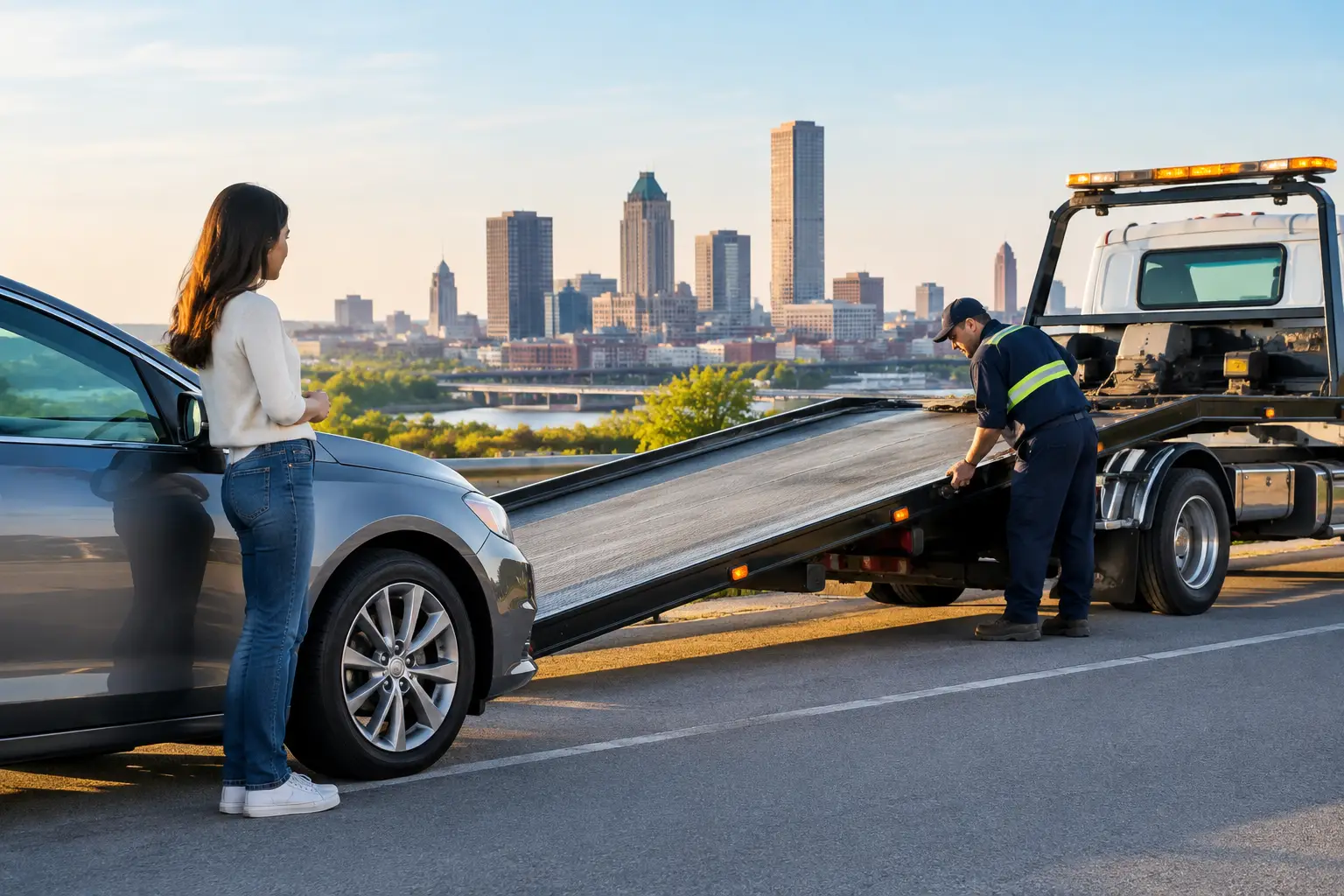
A flatbed truck is a good example. Its hydraulic bed can lower and tilt toward the ground, reducing the loading angle. That makes a real difference for cars with low front ends, damaged suspension, or body panels that sit close to the pavement. Instead of pulling a vehicle across the ground or lifting it in a way that risks damage, the vehicle can be winched onto a level platform and transported with all four wheels off the road.
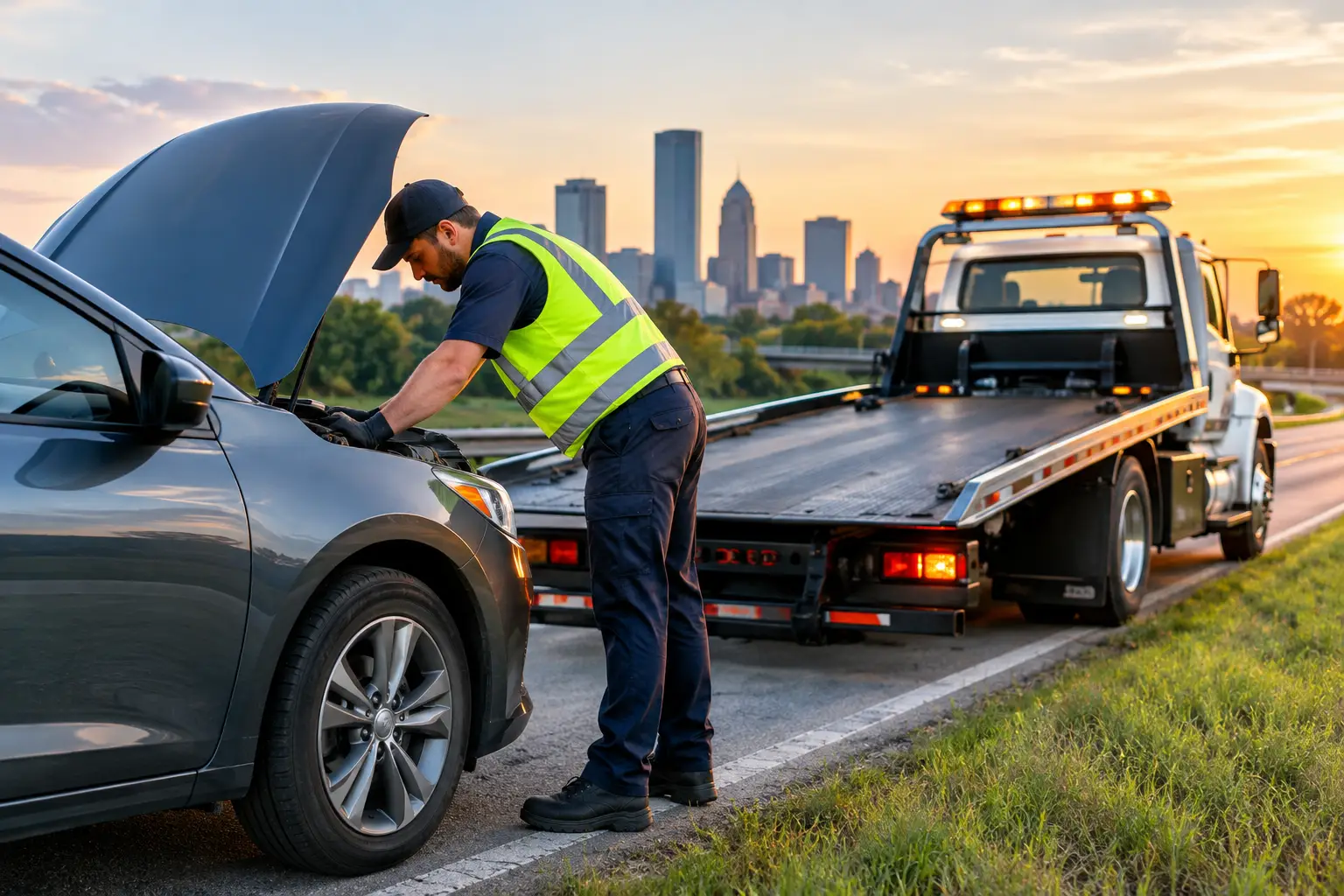
That does not mean a flatbed solves every problem by itself. A vehicle stuck in a ditch, parked in a tight garage, locked in park, or damaged after a collision may need a different loading approach. The right towing technology is the equipment that fits the job, not the equipment that happens to arrive first.
Flatbed Technology and Damage-Free Transport
For many disabled vehicles, flatbed towing is the safest transport method because it avoids rolling the vehicle down the road. This is especially useful for all-wheel-drive vehicles, cars with unknown mechanical damage, and EVs that should not be towed with their drive wheels on the ground.
Hydraulic controls allow the operator to place the bed at a workable angle, then adjust it as the vehicle comes aboard. This controlled movement matters when a car has a broken wheel, a flat tire, or a front bumper that could catch the pavement. On a rushed job, small mistakes during loading can cause the kind of damage customers did not have before the tow.
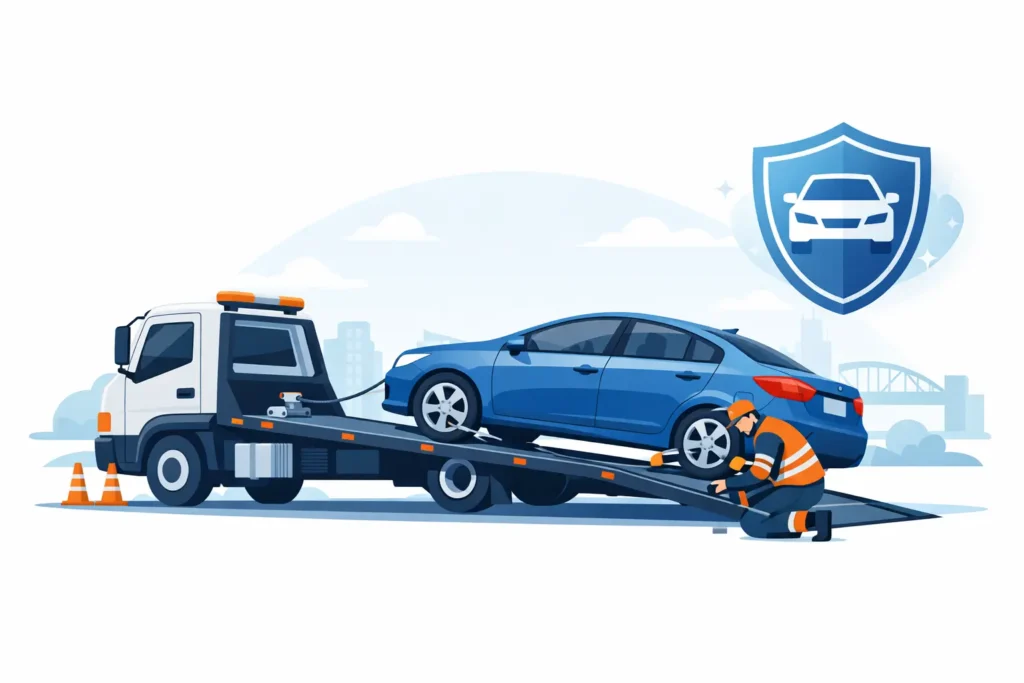
Winches are another major part of flatbed work. A winch pulls the vehicle steadily onto the bed using a cable or synthetic line. It is not meant to yank a vehicle into place. The operator needs to choose a proper connection point, maintain the correct line angle, and watch how the vehicle reacts throughout the pull. If the wheels are turned, locked, or damaged, the loading plan may need to change.
Once loaded, the vehicle needs to be secured at the tires or approved towing points. Wheel straps and tire restraints hold the vehicle in place without relying on pressure against fragile suspension or body components. A secure vehicle should remain stable through turns, braking, uneven pavement, and the normal road conditions found across Tulsa.
Why the Right Tie-Downs Matter
The straps used during a tow are not a minor detail. They are a direct part of protecting the vehicle. Proper wheel straps are designed to secure the tire while allowing the suspension to respond naturally to bumps in the road. This is usually preferable to attaching to a random suspension part or wrapping a chain where it does not belong.
Different vehicles call for different care. A lifted truck may have more ground clearance but still need careful securement because of its weight and wheel size. A lowered car may require ramp extensions, blocks, or an adjusted bed angle to avoid contact during loading. A vehicle with collision damage may have parts hanging low or wheels that no longer roll straight.
The trade-off is time. Taking a few extra minutes to set the correct loading angle, choose the right attachment point, and check the straps can feel slow when you are stuck on the roadside. It is usually faster than dealing with a damaged bumper, bent component, or vehicle that shifts during transport.
Towing Technology for Electric Vehicles
Electric vehicles require more attention than many drivers realize. Tesla and other EV models are heavy because of their battery packs, often sit lower to the ground, and have specific manufacturer instructions for transport. Improper towing can damage the drive system, underbody, or battery area.
For most EV recovery situations, a flatbed is the right choice. The vehicle should be loaded according to its towing instructions, with care taken around the underbody and designated tow points. If the vehicle has power, it may need to be placed in a transport or tow mode before loading. If it has no power, will not shift into neutral, or has been damaged in an accident, the job requires a more deliberate plan.
This is where equipment such as wheel dollies, skates, and low-angle loading tools can help. They can allow a non-rolling vehicle to be moved without forcing its drive wheels or dragging it across pavement. Not every EV problem needs every tool, but an operator should understand the difference between a simple dead battery call and a vehicle that cannot safely roll.
The same principle applies to hybrids, all-wheel-drive vehicles, and cars with electronic parking brakes. Technology inside the vehicle has changed. The towing method needs to keep up.
Cameras, Lighting, and Safer Roadside Work
Some of the most useful towing technology is there to protect people, not just vehicles. LED work lights, warning strobes, backup cameras, and well-positioned safety lighting help make a roadside recovery more visible and controlled, especially at night or in bad weather.
On high-traffic roads such as US 75 or Highway 169, visibility is a real safety issue. A tow operator needs room to assess the vehicle, load it safely, and stay aware of traffic. Bright work lighting can help identify damage, locate safe tie-down points, and prevent mistakes that are easy to make in a dark parking lot or on a wet shoulder.
Backup cameras and mirrors also help when positioning a truck near a disabled vehicle. They are useful tools, but they do not replace a walk-around inspection. Tight spaces, curbs, parking barriers, and other vehicles can change the plan quickly. A careful operator checks the scene rather than relying only on a screen.
Dispatch Technology Helps, but Communication Matters More
GPS-based dispatch and mobile communication make it easier to locate drivers, estimate arrival routes, and keep customers informed. That is useful when a vehicle is disabled in an unfamiliar area or when traffic is backed up around a crash.
Still, accurate information from the customer makes a big difference. A clear location, vehicle make and model, the reason it will not move, and whether it is in a garage, ditch, driveway, or travel lane help determine what equipment is needed. A car with a dead battery may only need a jumpstart. A car with a broken suspension or a locked electronic shifter may need a flatbed and a different loading plan.
Clear communication also prevents surprises. If the vehicle is an EV, has very low clearance, is four-wheel drive, or has been in an accident, say so when you call. Those details are not a hassle. They help the tow operator arrive prepared.
Technology Does Not Replace Towing Experience
The biggest mistake people make is assuming newer equipment automatically means safer towing. A modern flatbed, strong winch, and quality straps are valuable, but they must be used correctly. The operator still has to read the scene, identify vehicle risks, control the load, and know when not to force a problem.
At Tulsa Towing, the focus is on using proper flatbed equipment and proven handling methods for the actual condition of the vehicle. That may mean a straightforward load from a driveway, careful recovery from a tight parking area, or extra preparation for an EV that will not go into neutral.
When you need a tow, the best question is not whether the truck looks new. Ask whether your vehicle can be loaded and secured the right way. A careful setup at the roadside gives your car, truck, or EV the best chance of arriving at the repair shop in the same condition it left.