A Tulsa tow truck call usually starts the same way – your car will not move, traffic is building around you, and you need a real answer fast. In that moment, you are not looking for a long explanation. You want to know who can get to you, what kind of truck is coming, and whether your vehicle will be handled the right way.
That is where the difference shows up. Not every towing job is the same, and not every truck should be used the same way. A stalled SUV on US 75, a low-clearance sedan in a parking garage, and an electric vehicle with a dead battery all need a different approach. The goal is simple: get the vehicle loaded safely, avoid added damage, and get it where it needs to go without turning a bad day into a worse one.
When a Tulsa Tow Truck Is the Right Call
Some situations are obvious. After an accident, when a wheel is broken, or when the vehicle will not start and cannot be safely moved, a tow is usually the right next step. The same goes for transmission failure, overheating that keeps coming back, engine problems, or electrical issues that leave the vehicle disabled in traffic or a parking lot.
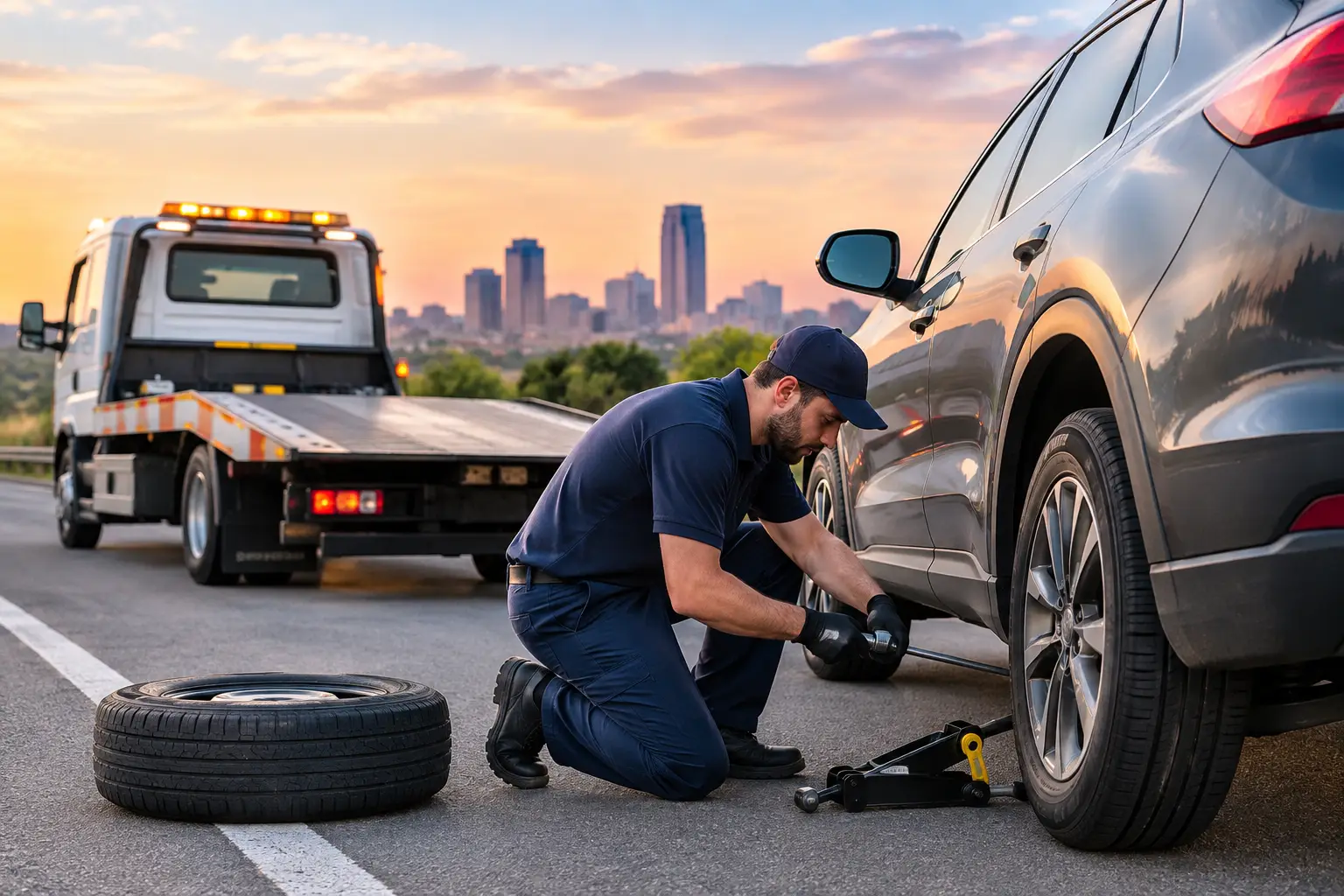
Other situations are less clear. A flat tire might only need roadside help if you have a usable spare and the lug nuts are not seized. A dead battery might be solved with a jumpstart if the battery is still good enough to hold a charge. But if the vehicle is in an unsafe spot, if there is more than one issue going on, or if you are not sure what failed, towing is often the safer option.
That matters because guessing at the roadside can waste time. If a vehicle should be towed, trying to force it home can create bigger repair costs. It is usually better to move it once, move it carefully, and get it to a repair shop or dealership without extra risk.
Why Flatbed Towing Matters
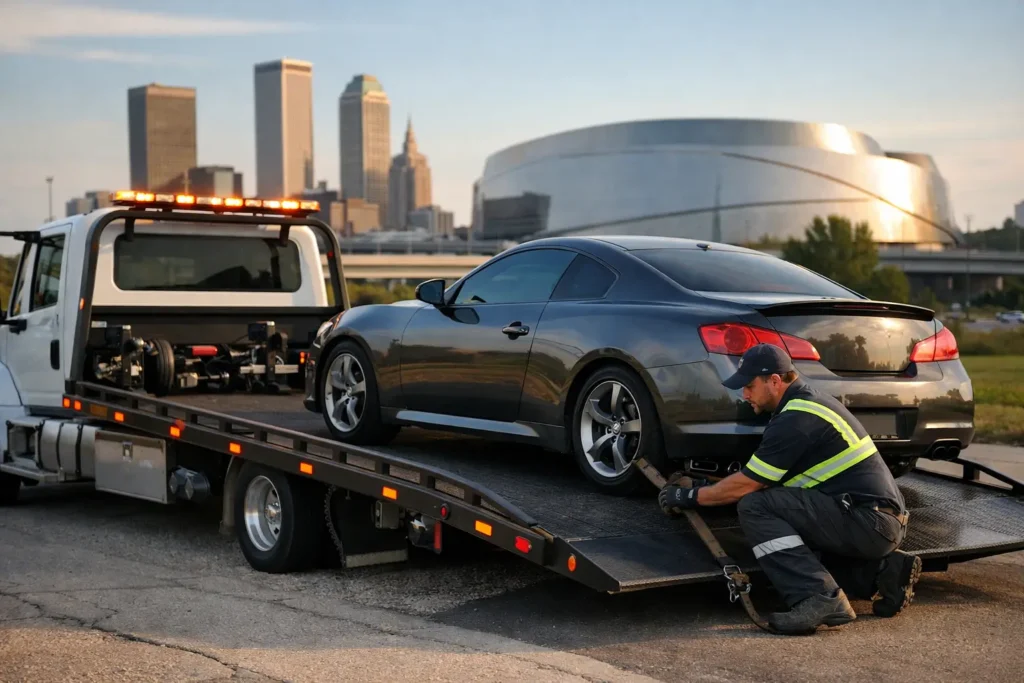
A lot of drivers do not think about the truck type until they need one, but it matters. Flatbed towing is the safer choice for many vehicles because all four wheels are off the ground during transport. That reduces wear and helps avoid problems that can come from dragging or partially lifting a vehicle that should not be towed that way.
This is especially important for all-wheel drive vehicles, low-clearance cars, heavier trucks, and electric vehicles. A Tesla, for example, is not something you want loaded by guesswork. The same goes for performance cars with low front ends or trucks that need proper weight balance on the bed.
Proper flatbed towing also matters in tighter spots. Parking garages, apartment lots, downtown streets, and crowded retail areas can make loading more difficult than people expect. Experience makes a real difference there. Knowing how to position the truck, use the right angles, and secure the vehicle correctly is what keeps a difficult recovery from turning into body damage or undercarriage damage.
Damage-free towing is not just a phrase
Drivers usually remember two things after a tow – how long it took for help to show up and whether the vehicle was handled carefully. Damage-free towing comes down to equipment, technique, and paying attention. It means using the right tie-down points, understanding clearance, and not rushing through the loading process just to get the job done faster.
That is a big reason many local drivers prefer an owner-operated service model. The job is being handled by someone who does this work every day, not someone treating your vehicle like just another number on a list.
Roadside Help or a Tow Truck?
A good towing service should be able to tell the difference quickly. Not every call needs a full tow, and not every disabled vehicle should be left sitting while someone tests the wrong fix.
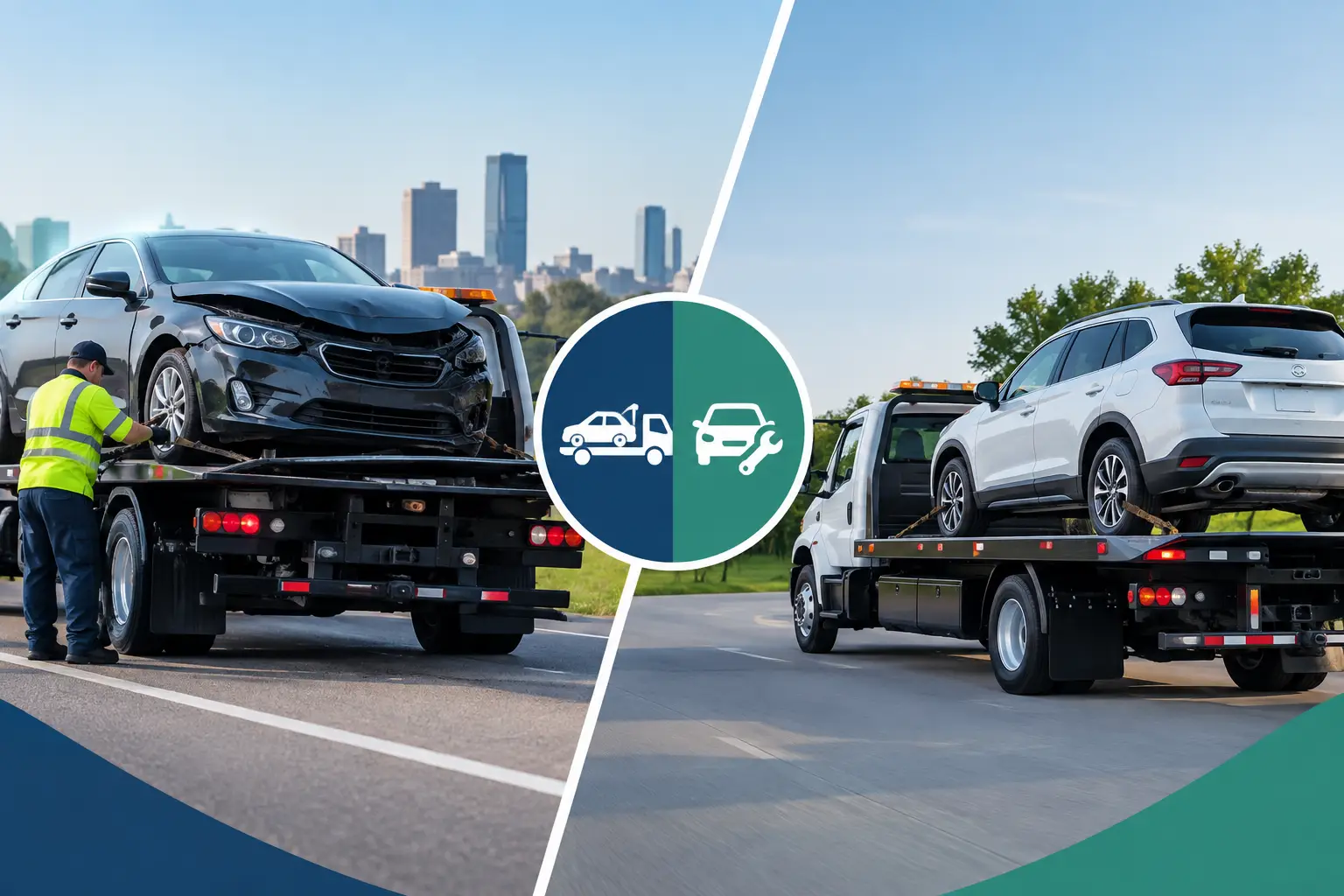
If the issue is a dead battery, lockout, flat tire, or a vehicle stuck in mud or a soft shoulder, roadside assistance may be enough. If the car has collision damage, steering problems, major mechanical failure, or cannot be safely driven after the immediate issue is addressed, towing is the better call.
That is why clear communication matters from the first phone call. The more accurate the dispatch information is, the better the response. If a driver explains whether the vehicle is in a garage, on a highway shoulder, facing downhill, blocking traffic, or completely dead, the right equipment can be sent from the start.
Common calls that need quick local response
In Tulsa, the most urgent towing situations usually happen in places where traffic does not give you much room to wait. I-44, Highway 169, Riverside, Memorial, and busy shopping areas are common examples. A breakdown there is not just inconvenient. It can become unsafe fast.
That is where local route knowledge helps. Knowing the traffic patterns, access points, and safe loading areas around Tulsa, Jenks, Bixby, and Broken Arrow can save time and reduce confusion. It also helps when the vehicle is in a less obvious spot, like the back side of an office lot, a gated apartment complex, or a parking garage with clearance issues.
What to Expect From a Tow Truck Service
The process should be simple. You call, explain the issue and location, and get a clear response about availability. Once the truck is dispatched, the next steps should be straightforward – verify the vehicle, assess the scene, load it safely, and transport it to the destination you choose.
For most drivers, the biggest concern is not the towing process itself. It is whether the service will add more stress. That usually comes down to communication. If you know what is happening, when the truck is coming, and where your vehicle is going, the situation feels manageable.
A good tow truck service also explains limits honestly. Sometimes roadside help will solve the problem. Sometimes it will not. Sometimes a vehicle can be winched out safely on site. Other times it needs to be repositioned first to avoid more damage. Straight answers matter more than overpromising.
Vehicles That Need Extra Care
Some calls are routine, and some require more planning. Low-profile cars can scrape easily during loading if the operator does not account for approach angle. Heavy-duty pickups need proper balance and securement. Electric vehicles need the right handling methods and should not be treated like a standard gas vehicle when disabled.
This is where real towing experience shows. It is not just about arriving with a truck. It is about knowing how to load a vehicle that is stuck in park, how to move one with wheel damage, and how to work around a garage ramp or narrow driveway without causing more problems.
Powered by Neptune Towing, Tulsa Towing focuses on that kind of work every day – practical towing, proper equipment, and careful handling without unnecessary complications.
Choosing the Right Tulsa Tow Truck Service
When you are stressed and stranded, you are usually making a quick decision. That does not mean it should be a blind one. The right service should be focused on helping you move the vehicle safely, not creating extra confusion around the job.
It helps to look for a company that clearly handles the type of tow you need. If you drive an EV, a low-clearance car, or a heavier truck, that should not be an afterthought. If you only need a short tow across town to a local repair shop, the service should be set up for that. If you are stuck in a tight or unsafe location, the operator should understand how to manage that kind of scene.
The best sign is usually how the call is handled. Clear questions, direct answers, and a calm approach tell you a lot. When somebody knows the area, understands the vehicle, and explains the next step without a sales pitch, it makes a bad situation easier to deal with.
A breakdown never happens at a convenient time. But getting help should not be harder than the problem itself. If you need a tow, the right move is simple – call a local service that knows Tulsa, shows up ready, and handles your vehicle like it matters.