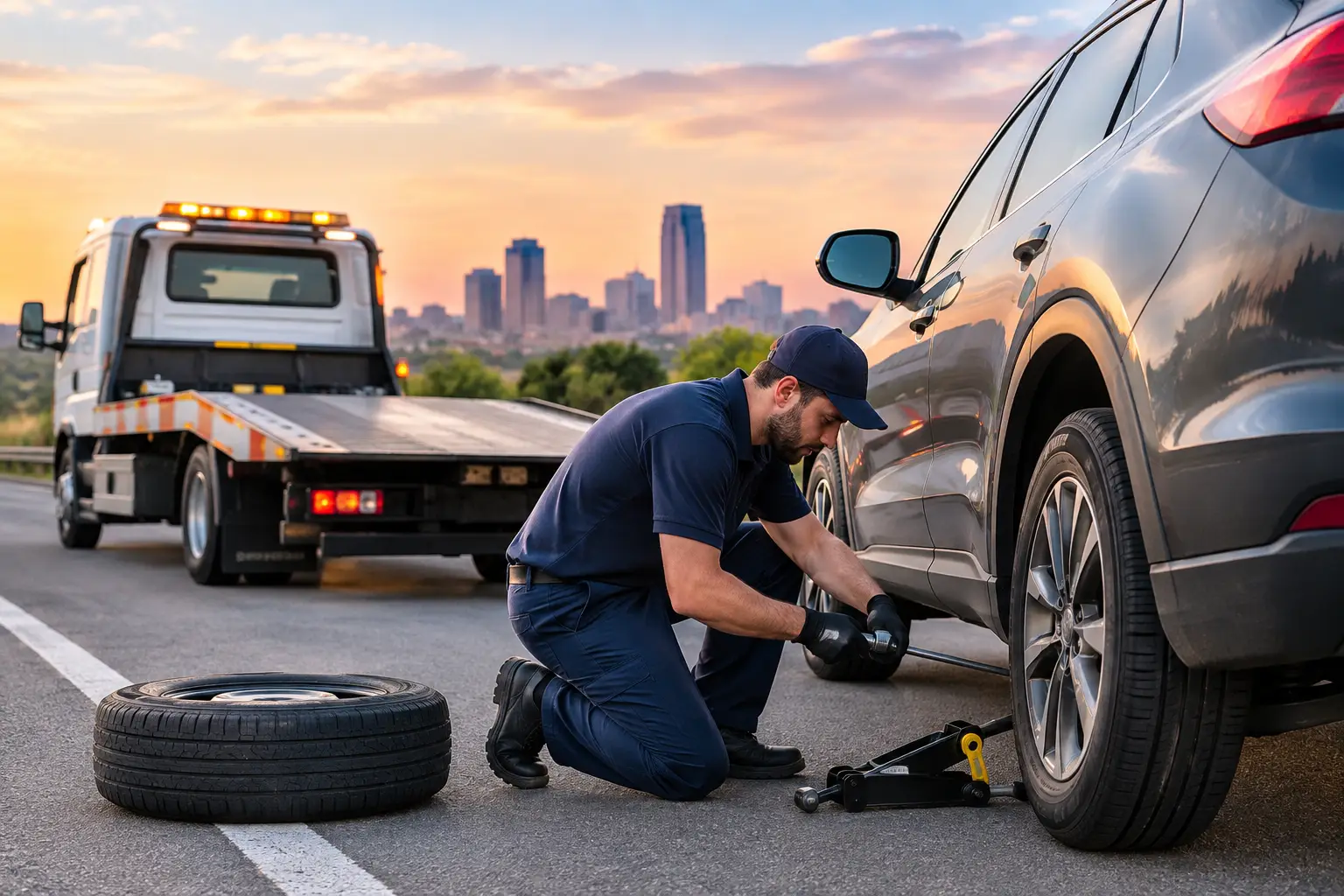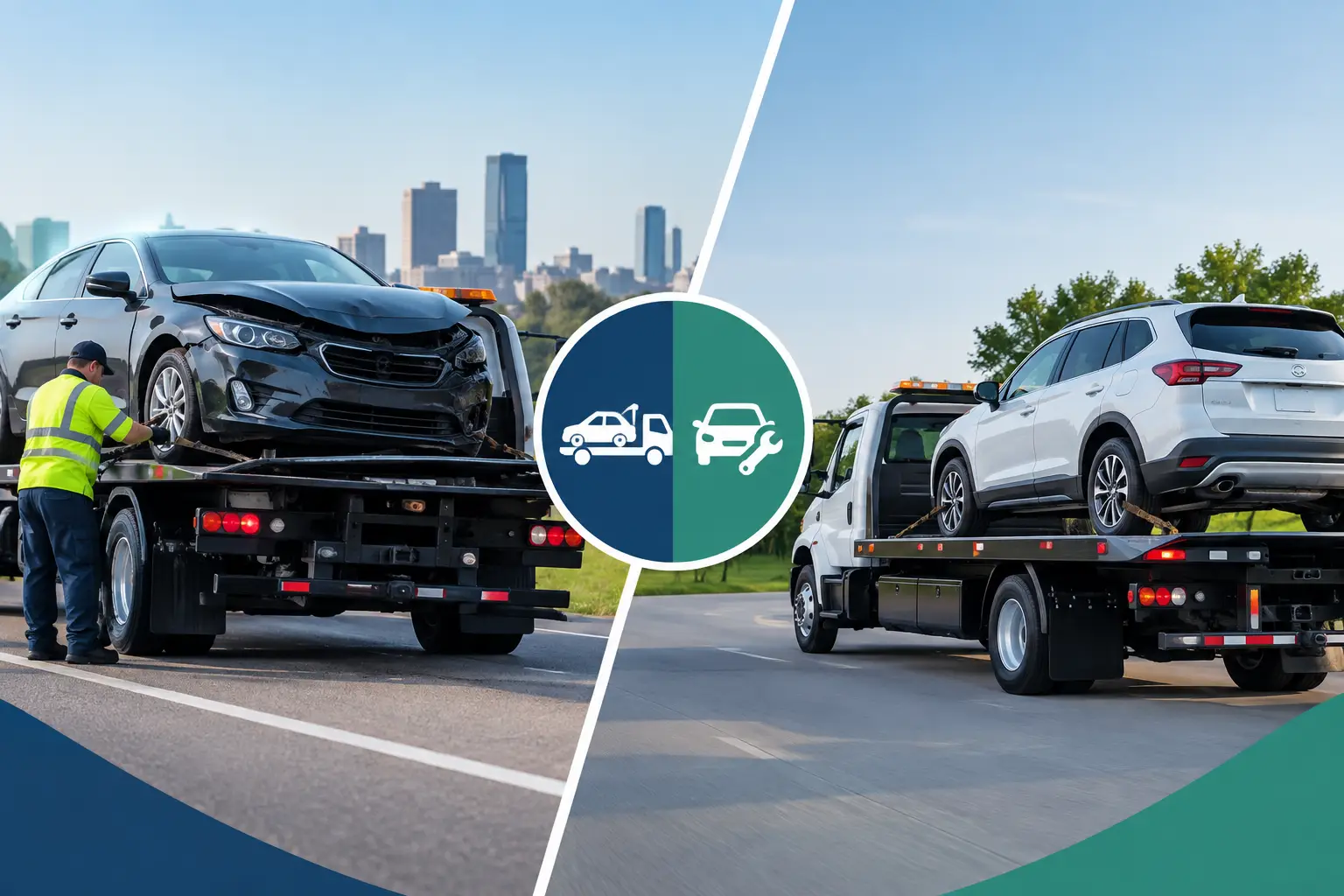
A breakdown on the shoulder or a dead car in a parking lot usually turns into one fast question: where should a towed car go? The right answer depends on what failed, where the vehicle is sitting, and what you need next. In most cases, the best destination is the place that solves the problem with the fewest extra moves.
That matters more than people think. Every extra tow adds time, cost, and another chance for something to get delayed. If the car can go straight to the right shop, your day gets simpler. If it needs to go home first, that can be the smarter move too. The main goal is not just getting the car off the road. It is getting it to the place that makes the next step easier.
Where should a towed car go first?
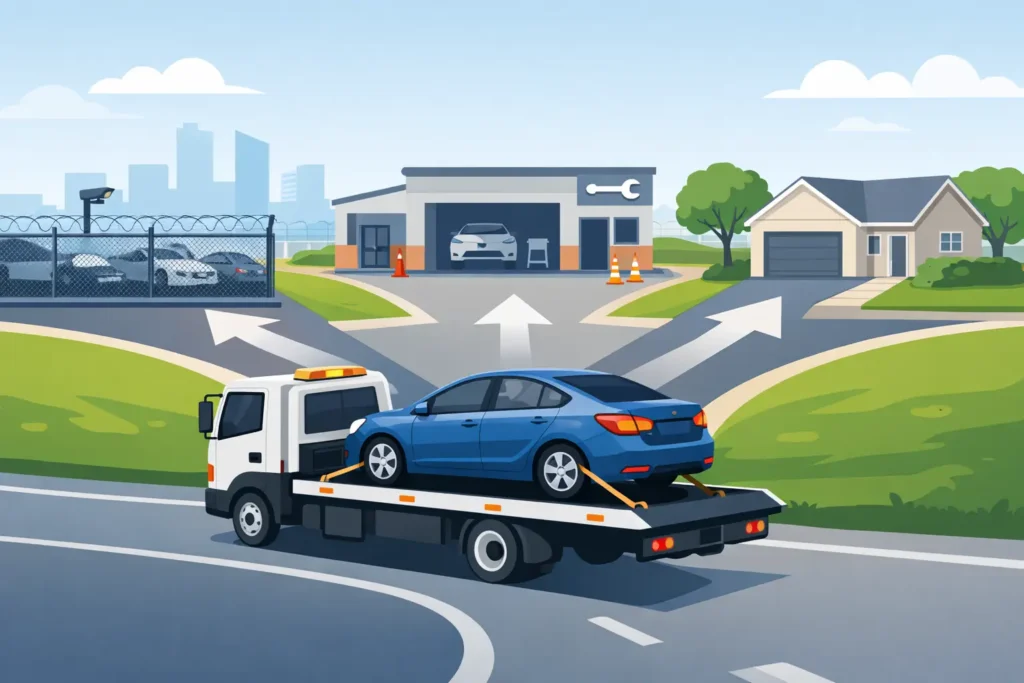
Most vehicles should be towed to one of three places: a repair shop, your home, or a dealership. The best choice depends on the condition of the vehicle and how quickly you need it diagnosed.
If the problem is mechanical and you already know which shop will handle it, sending the car there first usually makes the most sense. That is especially true for no-start issues, overheating, steering or suspension damage, brake problems, and anything that makes the vehicle unsafe to drive. A direct tow avoids wasting time getting the car moved twice.
If it is after hours and no shop is open, home may be the better stop. That gives you time to decide where it should go next without rushing the call on the side of the road. It can also help if you need to remove personal items, confirm where your warranty applies, or talk to a mechanic in the morning.
A dealership is often the better destination for vehicles still under manufacturer warranty, newer vehicles with complex electronics, and many electric vehicles. Some problems need brand-specific diagnostics or software access that an independent shop may not have. That does not mean every issue belongs at a dealership. It means the car should go where it can actually be handled correctly.
When a repair shop is the best answer
For most everyday breakdowns, a repair shop is the practical choice. If the engine quit, the battery system is failing, the tire came apart and damaged suspension parts, or the car was involved in a minor collision, getting it straight to a trusted local shop saves time.
The key is making sure the shop is ready to receive it. Not every shop has room after hours. Not every location accepts vehicles left overnight without paperwork or a key drop process. Before the tow starts, confirm the address, whether the shop is open, and where the vehicle should be placed. That is a small detail, but it prevents a lot of confusion once the truck arrives.
This also matters if your car is stuck in a difficult spot. A low-clearance car in a garage, a truck with front-end damage, or an EV that cannot be rolled like a normal vehicle needs proper loading from the start. If the destination is right and the handling is right, you avoid turning one problem into two.
Choosing between an independent shop and a dealership
It depends on the issue. An independent shop is often the faster and more affordable option for common mechanical repairs. If you already trust a local mechanic and they can take the vehicle, that is usually a solid move.
A dealership makes more sense when the vehicle has a warranty concern, advanced electrical issue, or model-specific problem. Some drivers assume the dealership is always the safest answer, but that is not always true. For routine failures, many local shops can handle the work just fine. The better question is not which name sounds bigger. It is who can diagnose and fix the actual problem correctly.
When home is the better destination
Sometimes the smartest answer to where should a towed car go is simple: your house. That is common when the breakdown happens at night, on a weekend, or during a situation where you are not ready to choose a shop yet.
A tow home gives you control. You can take a minute, call your insurance company, compare repair options, or wait until a preferred shop is open. It also helps when the issue might be minor and you are not sure the car needs a full repair visit yet. For example, if the vehicle would not start and you suspect a battery or starter problem, home can be a reasonable stop before making a final decision.
There are trade-offs. If the car is blocking access, leaking fluids badly, or clearly unsafe to sit where it is, home may not be ideal unless you have the space. And if you know the vehicle will need professional repair no matter what, going straight to the shop is usually more efficient.
Where should a towed car go after an accident?
After an accident, the right destination depends on the damage. If the vehicle is not drivable but the damage appears repairable, a body shop or collision repair facility may be the right call. If the damage affects steering, suspension, wheels, or the underbody, the vehicle needs to go somewhere that can inspect it safely before anyone tries to drive it again.
This is where rushed decisions cause problems. A car can look fine from the outside and still have damage that makes it unsafe to move under its own power later. Bent suspension parts, wheel damage, fluid leaks, and underbody impact are common examples. The destination should match the type of damage, not just what is closest.
If you are unsure, ask the towing company what they are seeing at pickup. An experienced operator can often tell when a vehicle needs flatbed transport to a repair facility instead of a short move somewhere temporary.
Situations where the destination really matters
Some vehicles need more planning before they are towed anywhere. Electric vehicles are a good example. Many EVs, including Tesla models, need to be loaded and transported in a specific way to avoid damage. The destination matters because not every shop is equipped for EV diagnosis or repair.
Low-clearance cars also need careful handling, especially if the problem happened in a steep driveway, parking garage, or tight lot. The closest drop-off point is not always the best one if the vehicle is likely to scrape again or if access is limited.
The same goes for heavy-duty pickups, all-wheel-drive vehicles, and cars with locked wheels or major front-end damage. A proper tow starts with proper equipment, but it also ends with putting the vehicle in a place where the next step can happen without another headache.
How to decide fast when you are stuck
If you are standing beside the road and need to make a quick call, think in this order. First, ask whether the car needs professional repair right away. If yes, send it directly to the shop that will actually work on it. Second, ask whether that location is open and ready to receive the vehicle. If not, home may be the better temporary destination. Third, consider the type of vehicle. If it is a newer car, an EV, or a warranty issue, the dealership may be the safer option.
It also helps to think one move ahead. If the vehicle goes home tonight, will it still need another tow tomorrow? If the answer is yes, and the right shop is available now, skip the extra step. If you are not sure who should repair it, going home first can be the smarter choice.
For drivers in Tulsa, Jenks, Bixby, Broken Arrow, and nearby areas, this comes up all the time after breakdowns on I-44, US 75, Memorial, or in parking lots where you just need the car moved safely and handled right. In those moments, the best destination is the one that solves the real problem, not just the immediate inconvenience.
What to tell the towing company
Once you know where the vehicle should go, be clear about the exact address, the type of problem, and anything unusual about the vehicle. Mention if it is all-wheel drive, electric, low clearance, stuck in park, or damaged in a way that affects loading. Those details help the tow be done correctly from the start.
If you are sending it to a shop, say whether someone will be there and where the keys should go. If the car is going home, make sure there is a safe place to unload it. Good towing is not just about picking a destination. It is about making sure the vehicle can be loaded, transported, and dropped off without damage or confusion.
Tulsa Towing handles a lot of these calls the simple way – dispatch the right truck, confirm the destination, and get the vehicle where it needs to go without turning it into a bigger mess.
If you are asking where should a towed car go, start with the next real step the vehicle needs. The best tow destination is the one that gets you back in control the fastest and with the least trouble.