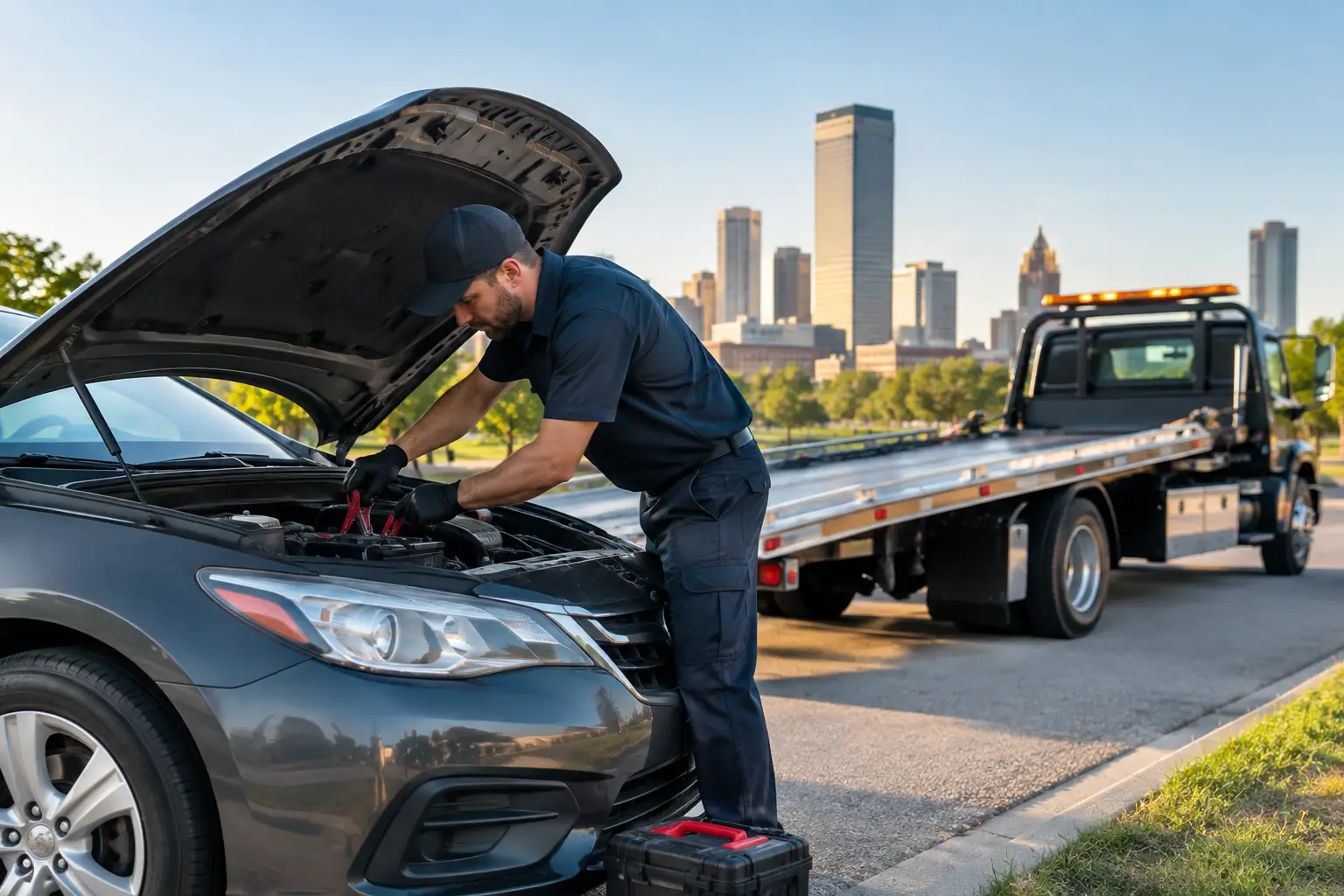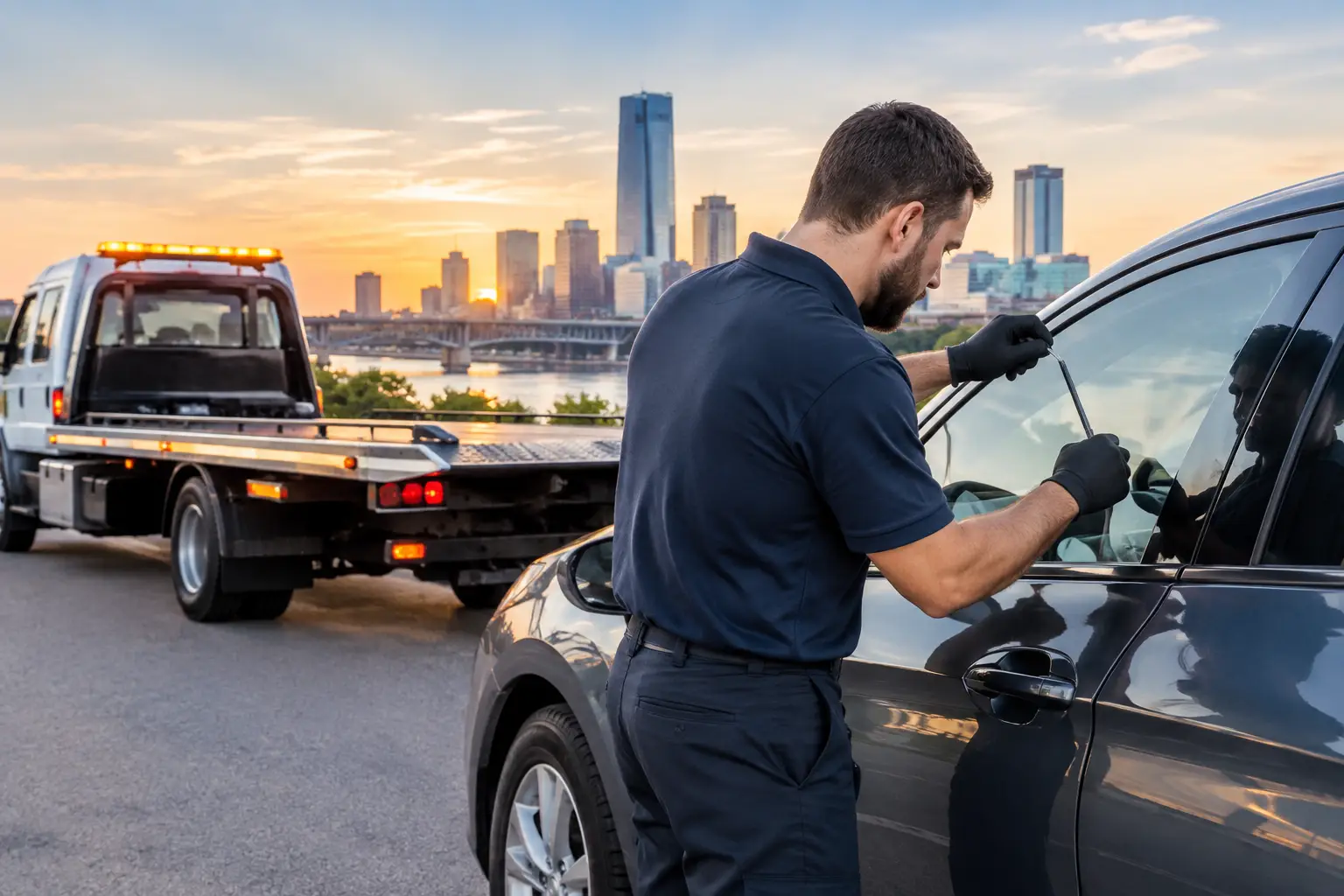
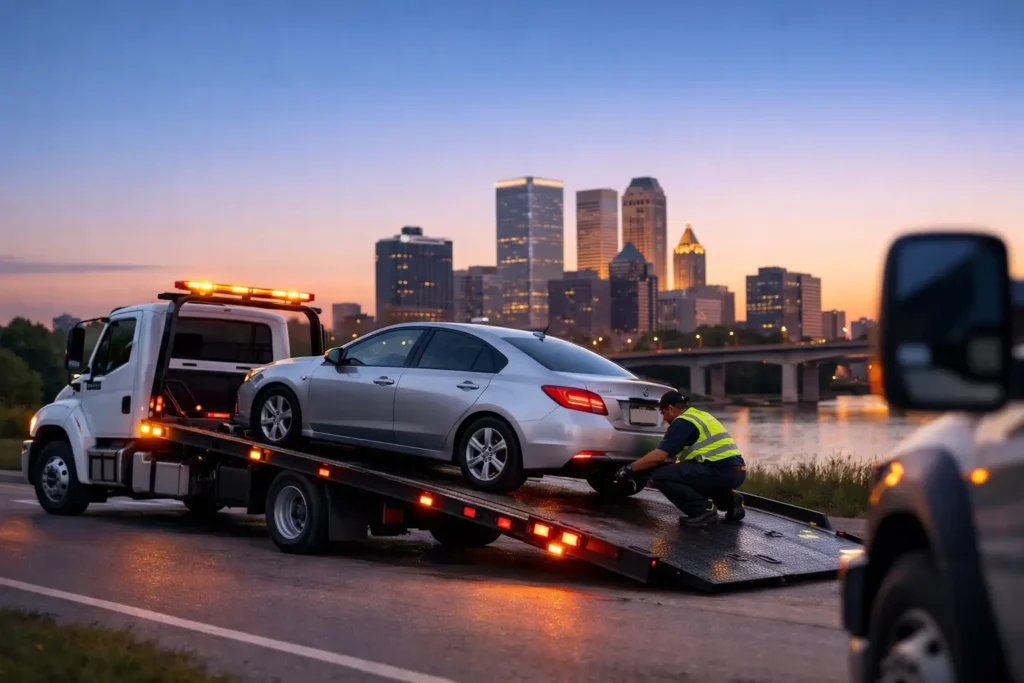
A breakdown does not always happen near the shop you trust. Your car may quit on I-44, refuse to start in a South Tulsa driveway, or be sitting in a parking lot after a warning light turns into a real problem. When you need a tow to dealership Tulsa drivers can count on, the goal is simple: get the vehicle loaded correctly, keep it secure on the truck, and deliver it to the service department without adding damage or confusion.
Dealership delivery is different from just moving a vehicle out of the way. The vehicle needs to arrive at the correct location, often during service-lane hours, with the keys and any instructions handled the way you request. A careful tow makes the next step easier for you and for the technicians waiting on the other end.
When a Tow to Dealership in Tulsa Makes Sense
A dealership is often the right destination when the vehicle is still under warranty, has a recall concern, or needs diagnostic work specific to its make. This is especially common with newer vehicles that have electronic issues, factory warranty coverage, or dealer-only service needs.
For an electric vehicle, a dealership tow may be the better call when a charging or high-voltage system warning comes up. The same goes for a Tesla that will not drive, will not shift properly, or has sustained damage that makes normal movement unsafe. These vehicles need correct loading procedures, and guessing with a hook or improper attachment point is not worth the risk.
You may also choose the dealer because they already know the vehicle’s service history. If your truck has been in for recurring transmission work, or your car is waiting on a scheduled repair, sending it to the same place keeps the process moving. The tow itself is one less problem to manage when the destination is clear.
That said, it depends on the issue and the time of day. If a dealership service department is closed, you may need to confirm where vehicles can be left and whether there is a designated after-hours drop box. Calling the dealership before the tow is helpful when you can do so safely. It avoids arriving at a closed gate or leaving the vehicle somewhere the service team does not expect.
What Safe Dealership Delivery Looks Like
A proper dealership tow starts before the truck arrives. The driver needs the vehicle location, the dealership name, and any information that affects loading. Let the dispatcher know if the vehicle is low to the ground, all-wheel drive, electric, damaged from an accident, locked, or stuck in a garage or tight parking space.
Flatbed towing is usually the right approach for delivery to a dealer. The entire vehicle rides off the ground, which helps protect the drivetrain and avoids unnecessary rolling miles. It is particularly useful for all-wheel-drive cars, performance vehicles with low clearance, and EVs with special transport requirements.
At the pickup location, the vehicle should be checked for obvious damage before loading. A careful operator considers the vehicle’s clearance, tire condition, steering position, and whether it can roll freely. If it will not roll or the wheels are locked, the loading method has to change. The right equipment and a slower setup are better than forcing a vehicle into position.
Once loaded, the vehicle is secured at approved points and checked before transport. This matters on Tulsa roads where traffic, lane changes, and uneven pavement can make a rushed load a costly mistake. Careful handling is not an extra step. It is the job.
Information to Have Ready Before You Call
The fastest way to get the right truck sent is to provide a clear location and a short description of what is going on. If you are on a major road, give the closest exit, cross street, or recognizable landmark. On US 75, Highway 169, Memorial Drive, or Riverside, direction of travel can also help narrow down where you are stopped.
Have the dealership name ready, including the specific location if that brand has more than one service center nearby. Tell the towing company whether you have keys, whether the vehicle is in park or neutral, and whether it is in a safe place to access. If the car is in a parking garage, mention the clearance before a truck is dispatched.
It also helps to say what happened in plain terms. “The engine will not start,” “the front wheel is damaged,” or “the car has a battery warning and will not shift” gives the operator useful information. You do not need to diagnose the vehicle. You only need to explain what you can see and what the vehicle will or will not do.
Dealership Tows for EVs, Low Cars, and Trucks
Not every vehicle can be handled the same way. A low-clearance sedan needs a loading angle that will not scrape the front bumper or underside. A heavy-duty pickup may need different positioning and securement than a compact car. An EV needs attention to manufacturer guidance, wheel position, and approved tie-down areas.
For a Tesla or another electric vehicle, do not assume it can simply be placed in neutral and pulled onto a truck. Some models have transport or tow modes, and some conditions prevent those modes from activating. If the vehicle is disabled, a towing operator needs to account for that before moving it. Flatbed transport keeps the vehicle off its drive wheels and is generally the safest option for dealership delivery.
Accident damage can make the job more involved as well. A car with a bent wheel, deployed suspension, or damaged bumper may not roll normally. In those cases, the truck operator may use equipment to move it carefully onto the bed rather than dragging it. The process may take longer, but protecting the vehicle matters more than shaving off a few minutes.
After-Hours Dealership Drop-Offs
Many breakdowns happen after the service lane has closed. If you need the vehicle delivered after hours, confirm the dealership’s preferred drop-off procedure if possible. Some locations have a clearly marked service entrance and key drop. Others want vehicles parked in a particular area so they do not block customer lanes, delivery areas, or emergency access.
Before leaving, remove personal items you need, take photos of the vehicle if you want a record of its condition, and make sure the dealership has your contact information. Leave the keys only where the dealership instructs you to leave them. If there is no clear after-hours process, it may be better to arrange delivery when the service department is open.
A towing operator can deliver the vehicle where it needs to go, but the dealership still needs enough information to begin work. A short note with your name, phone number, vehicle details, and the reason for service can save time the next morning.
Choose Clear Communication Over Guesswork
When your vehicle is down, you should not have to wonder whether it will be handled correctly or where it is going. Ask for an estimated arrival window, confirm the destination, and mention anything unusual about the vehicle before the truck arrives. Clear details on the front end prevent problems later.
Tulsa Towing, powered by Neptune Towing, focuses on local flatbed transport and straightforward communication for drivers who need their vehicle delivered to a repair shop or dealership. Whether the pickup is in Downtown Tulsa, Broken Arrow, Jenks, Bixby, or along a busy highway, careful loading and a confirmed destination keep a stressful situation from turning into a bigger one.
If the car cannot safely be driven, do not try to push it through traffic or make it limp across town to the dealer. Get it transported properly, give the service department the information they need, and let the repair process start from there.