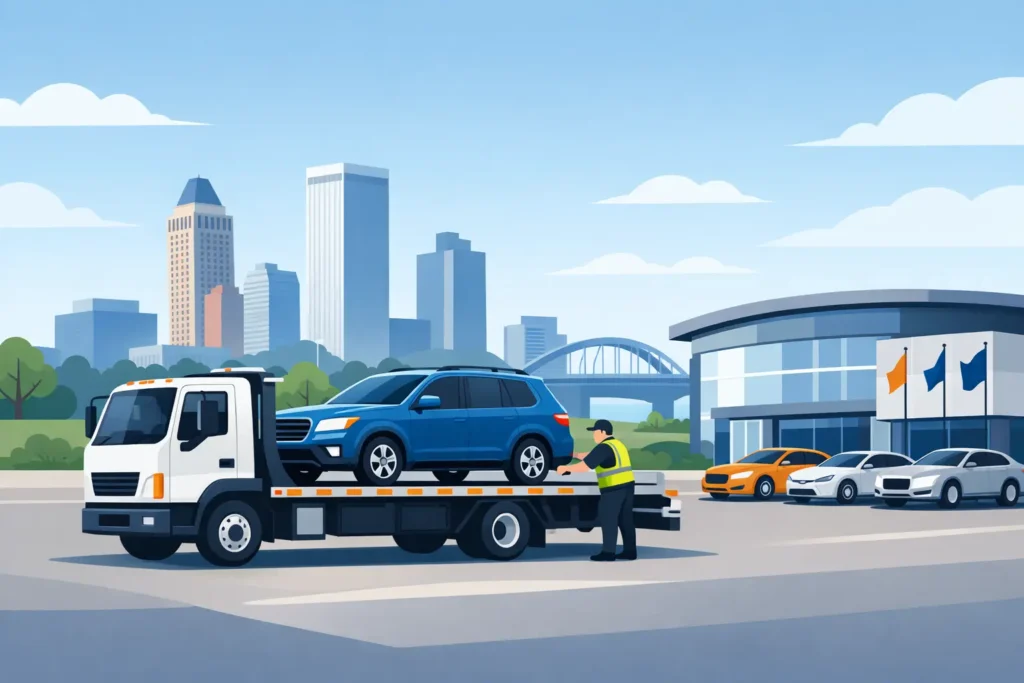
A dealership may tell you they can diagnose the problem, but that does not help when the vehicle will not start in your driveway, stalls on US 75, or is unsafe to drive after a collision. Vehicle delivery to dealership towing gets the car from where it stopped to the service department that will handle the repair, without adding damage or confusion along the way.
For most drivers, the urgent question is simple: can the tow truck get my vehicle to the right dealership safely? The answer depends on the vehicle, where it is sitting, whether the dealership is open, and whether the service department has instructions for after-hours arrivals. A careful tow starts with those details, not just hooking up and leaving.
When dealership delivery is the right call
Dealership towing makes sense when a vehicle is under warranty, has a recall concern, needs brand-specific diagnostics, or is already scheduled for service. It is also common with newer vehicles that have warning lights, charging system problems, key or security issues, or software-related faults that an independent shop may not be set up to address.
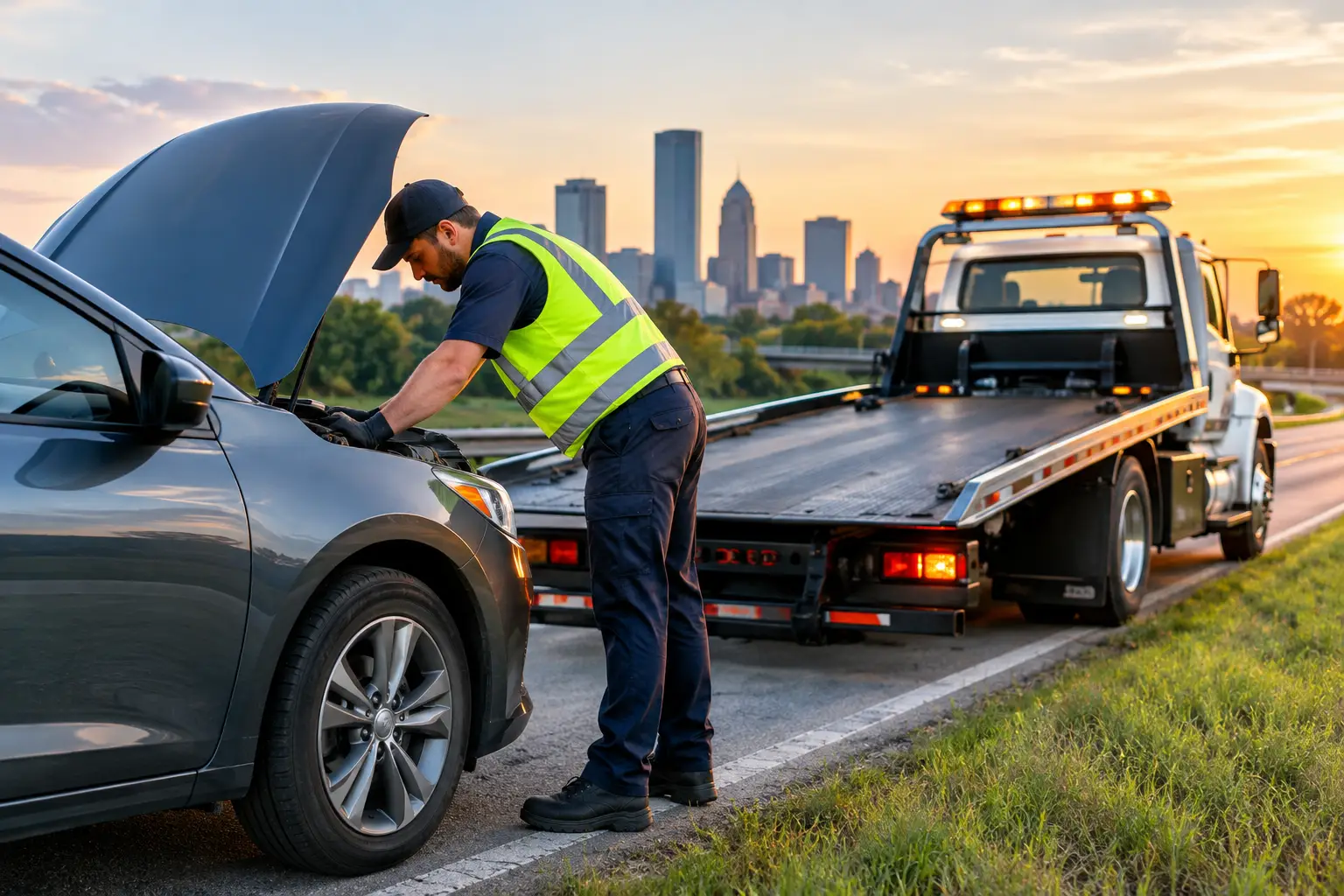
A vehicle does not need to be completely disabled for towing to be the safer choice. If an engine is overheating, the transmission is slipping, a tire has failed badly, or a collision has left loose parts near a wheel, driving it farther can turn one repair into several. The same goes for an electric vehicle with a warning message that limits power or says it should not be driven.
The dealership route is not always the fastest option. If the dealer cannot take the vehicle for several days, a local repair shop may be the practical choice for an immediate mechanical issue. But if the dealer has the appointment, parts coverage, or warranty record, delivering it directly avoids a second move later.
What a proper dealership tow looks like
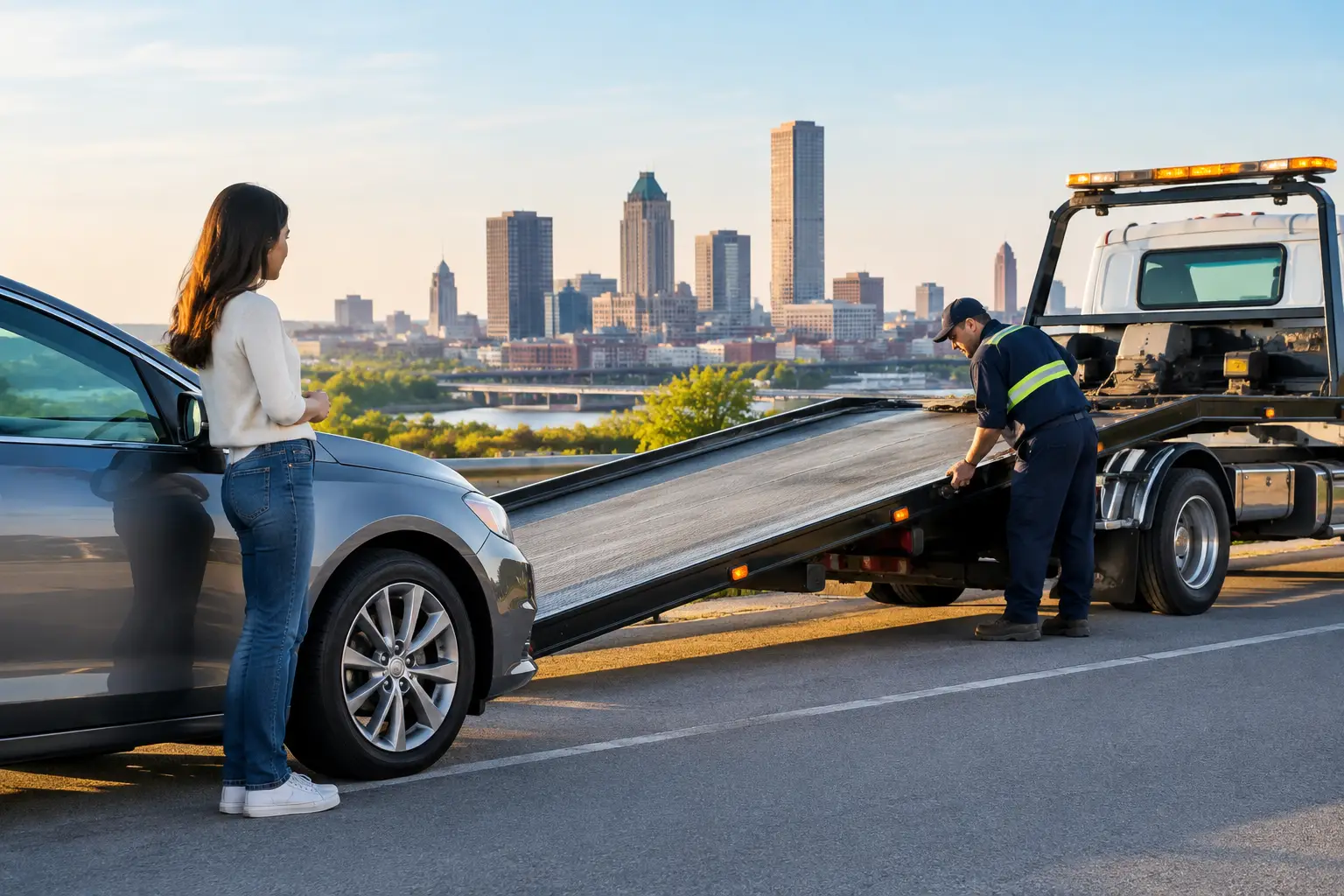
The right equipment matters more than the distance. Flatbed towing is generally the safest option for vehicle delivery to dealership towing because the entire vehicle rides off the ground. That protects the drivetrain, wheels, suspension, and body from the problems that can come with dragging or improperly lifting a disabled car.
This is especially important for all-wheel-drive vehicles, low-clearance cars, trucks with drivetrain issues, and EVs. Many electric vehicles have specific towing instructions and designated points for securing the vehicle. They should not be handled like an older front-wheel-drive sedan. A tow operator needs to identify the vehicle, use the proper loading approach, and secure it correctly before transport begins.
Low cars need extra care on the approach angle. A rushed load can scrape a bumper, splitter, exhaust component, or underbody panel before the vehicle is even on the bed. Trucks may need different tie-down positions and a little more space to load safely. In tight garages, apartment lots, and crowded dealership lanes, positioning the truck correctly is part of the job.
A careful operator will also account for the reason the vehicle stopped. A car with a locked wheel, a broken suspension component, or collision damage may not roll normally. That changes how it is loaded. The goal is to move the vehicle without making the existing problem worse.
Information that helps before dispatch
When you request a tow truck, have the year, make, model, and current location ready. Tell the dispatcher whether the vehicle is running, rolls freely, has a flat tire, is in a garage, or has visible damage. Mention if it is electric, all-wheel drive, lowered, oversized, or carrying a heavy load.
You should also provide the exact dealership name and address, not just the vehicle brand. Large dealer campuses can have separate service entrances, body shops, used-car lots, and customer parking areas. The correct drop point saves time and helps keep the vehicle from being left where the service team will not find it.
If you have an appointment, provide the advisor’s name if available. It is useful, but it is not required for every tow. What matters most is clear authorization for where the vehicle should be placed and how the dealership wants after-hours arrivals handled.
Before the truck arrives, prepare the vehicle
You do not need to solve the mechanical problem before a tow truck gets there. A few simple steps can prevent delays and keep personal items from becoming a problem during delivery.
Remove valuables, work equipment, medication, and anything loose from the cabin. Take the garage remote, toll tag, and spare key if you do not want them left with the vehicle. If the car has a key fob, make sure the tow operator can access it. Dealerships cannot always move a vehicle that arrives locked with no key available.
If the vehicle is parked in a driveway or garage, clear the path as much as possible. Move another car if it blocks access, and let the operator know about steep grades, narrow gates, low branches, or tight turns. Around Tulsa, a vehicle may be disabled in a busy lot off Memorial, a downtown parking garage, or a shoulder near I-44. The loading plan changes with the location.
Take a few photos of the vehicle before transport if it has collision damage or existing body damage. This is not about expecting a problem. It is a sensible record of its condition, particularly when a car is going from an accident scene to a body shop or dealership service lane.
Dealership hours and after-hours drop-off
The biggest mistake with dealership delivery is assuming the service department will be open when the vehicle arrives. The sales lot may be accessible while the repair department is closed. Some dealerships have a designated after-hours key box and marked parking area. Others want vehicles placed in a particular row, and some have gates that limit access late in the day.
Call the dealership before arranging the tow when possible. Ask where the vehicle should be parked, whether the keys should go in a drop box, and what information they need attached to the key or left inside. Write down the advisor name, appointment time, and a short description of the issue.
If no one answers, do not guess. A professional tow operator can assess the lot and use the safest accessible location, but dealership instructions are still valuable. Leaving a vehicle in a travel lane, blocking service doors, or placing it behind a locked gate creates a problem for everyone the next morning.
For an after-hours delivery, leave the dealership enough information to connect the vehicle with you. Include your name, phone number, plate number, appointment details, and the reason for service. Keep the note brief and avoid leaving personal documents in plain view.
What happens at drop-off
Once the vehicle reaches the dealership, the operator places it in the agreed location, unloads it carefully, and confirms that it is parked safely. If keys need to go into a drop box, follow the dealership’s procedure. If you are present, make sure you know where the vehicle was left before you head home.
A good delivery is not just about reaching the address. It is about leaving the vehicle in a spot where the dealership can receive it, move it if needed, and begin the repair process without hunting through a crowded lot. Clear communication at this stage is as useful as careful loading at pickup.
For vehicles with unusual issues, tell the dealership what happened. If it shut off while driving, would not shift, displayed a battery warning, or has a wheel that will not turn, include that information. It gives the service team a better starting point and may help them avoid trying to move the vehicle in a way that is not safe.
Choosing a tow service for dealership delivery
For dealership transport, ask whether the company uses a flatbed and whether it regularly handles your type of vehicle. That question matters for a Tesla, another EV, a luxury car with low clearance, an all-wheel-drive SUV, or a heavy-duty pickup. Experience is not just knowing how to operate a truck. It is knowing when a vehicle needs a different loading method.
You also want clear communication about pickup time, destination, and any access issue at either end. A local operator who knows Tulsa traffic patterns and common service corridors can plan around busy areas rather than discovering the challenge after arriving.
Tulsa Towing, powered by Neptune Towing, focuses on flatbed transport and damage-free handling for local dealership and repair-shop deliveries. The work stays centered on getting the vehicle where it needs to go, without impound or storage complications added to the situation.
When your vehicle needs dealer service, do not risk driving it farther just to avoid arranging a tow. Give the tow operator the vehicle details, confirm the dealership drop-off plan, and let proper equipment do the rest. That small amount of preparation can protect the vehicle and make the repair process easier when the service department opens.