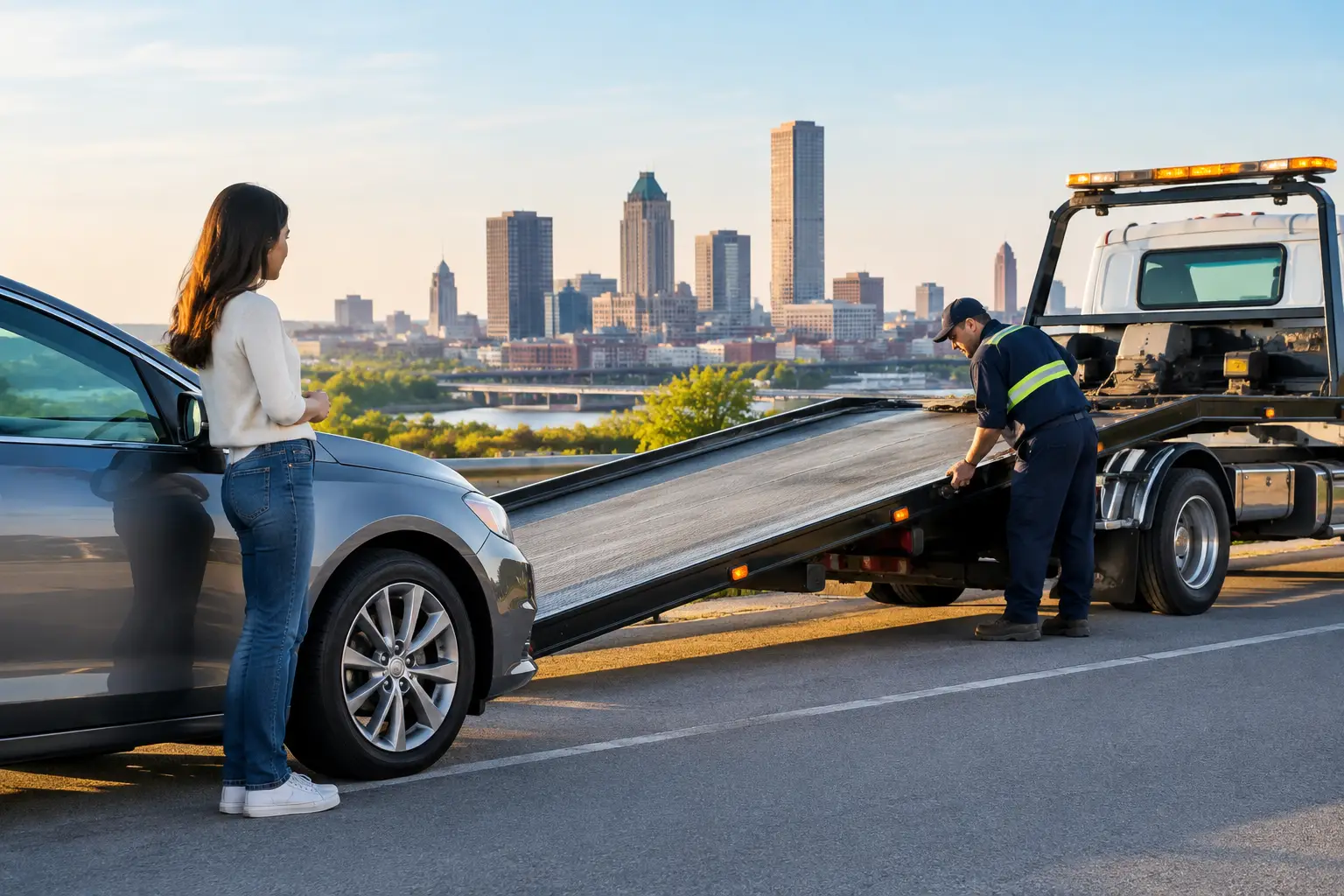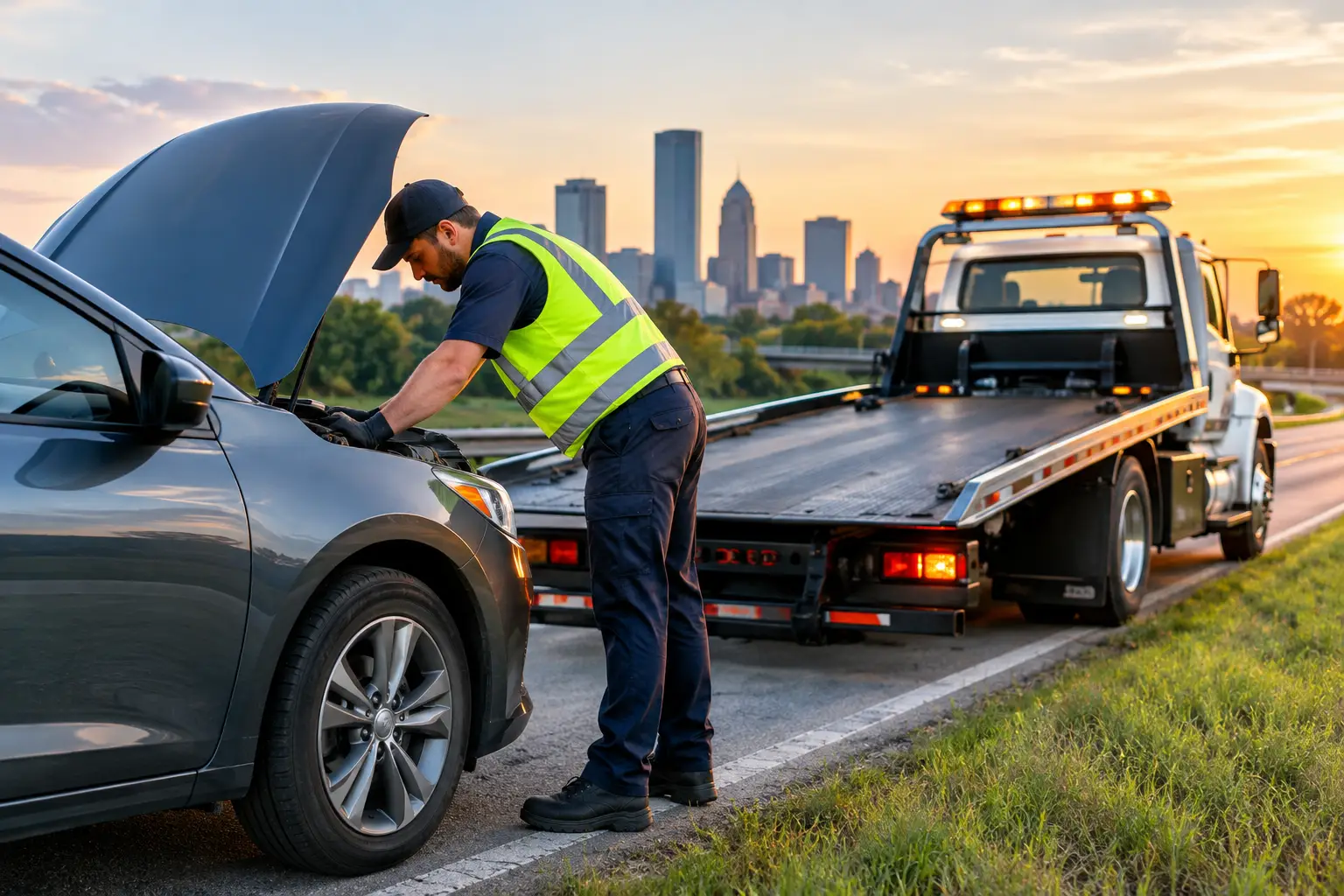
A flatbed towing service matters most when your vehicle cannot afford a mistake. If your car is low to the ground, all-wheel drive, electric, heavily damaged, or simply not moving safely, the way it gets loaded and transported makes a real difference. In Tulsa, that usually means choosing the method that keeps all four wheels off the road and reduces the chance of added damage.
Most drivers are not thinking about towing equipment until something goes wrong. A breakdown on I-44, a dead battery in a parking lot, or accident damage on a busy street changes that fast. In those moments, you want a clear answer to one question – what is the safest way to move the vehicle from where it is now to where it needs to go?
Why a flatbed towing service is often the safer option
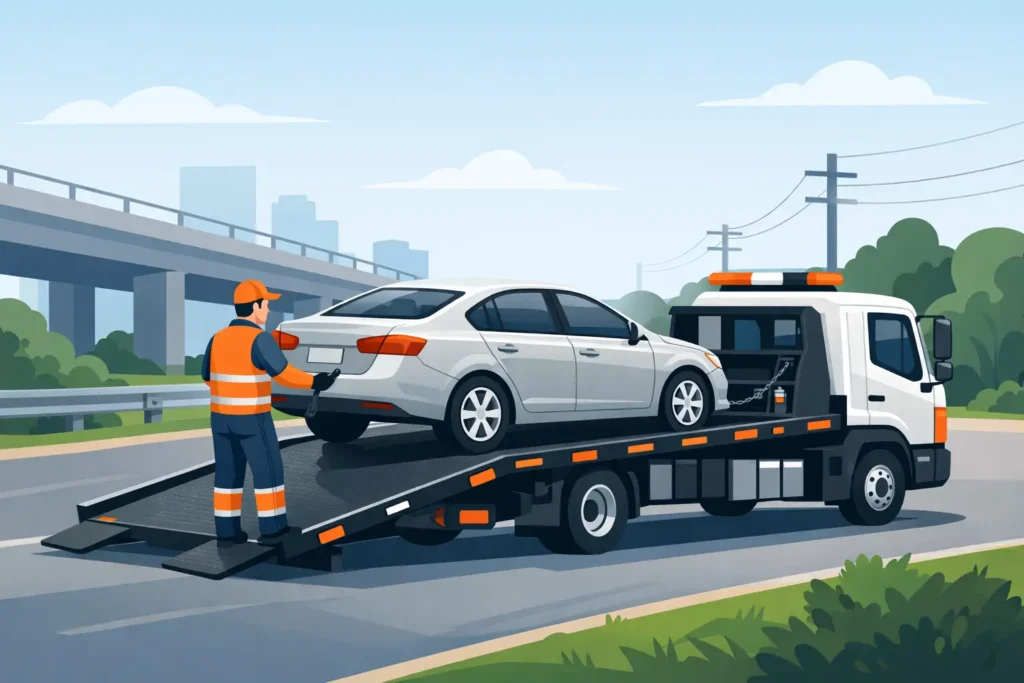
Flatbed towing works by loading the entire vehicle onto the bed of the truck instead of pulling it with two wheels on the ground. That sounds simple, but it solves a lot of problems. It protects the drivetrain, avoids tire wear during the tow, and gives the operator more control over how the vehicle is secured.
That matters for more than just luxury cars. Many everyday vehicles now have lower front ends, more sensitive suspension setups, and drivetrains that do not respond well to being dragged or partially lifted. If the car has damage, is stuck in park, has a wheel problem, or will not roll freely, a flatbed is usually the cleaner and safer choice.
It also helps in situations where the vehicle owner is already dealing with enough stress. After a breakdown or accident, most people do not want to hear that the vehicle can be moved, but only if a few extra risks are accepted. Proper flatbed loading keeps the process straightforward.
When flatbed towing makes the most sense
Low clearance cars and vehicles with body kits
Low cars are one of the clearest cases for flatbed towing. The issue is not just getting the car from one place to another. It is getting it onto the truck without scraping the bumper, valance, or underside. That takes the right angles, the right equipment, and someone who knows how to load carefully instead of rushing through it.
A flatbed gives more control during loading, especially in tight parking lots, garages, and uneven driveways. If the vehicle sits low, that extra care is not optional.
All-wheel drive and four-wheel drive vehicles
Many AWD and 4WD vehicles should not be towed with some wheels rolling on the road. Doing that can create drivetrain problems, especially if the tow setup is wrong or the vehicle has mechanical issues already. A flatbed avoids that problem by carrying the full vehicle.
Not every SUV or truck automatically requires a flatbed in every towing situation, but when there is any doubt, it is the safer route. This is one of those areas where doing it right the first time matters more than trying to force a quicker setup.
Electric vehicles, including Tesla
EV towing is different. The weight is different, the clearance can be different, and the manufacturer handling requirements are different. On top of that, an EV that will not power on or shift normally may need special loading procedures.
A flatbed towing service is usually the right answer for electric vehicles because it keeps the vehicle fully off the ground and allows for careful loading and secure transport. That is especially important when dealing with battery weight, low clearance, or a disabled vehicle that will not respond the way a gas vehicle would.
Accident-damaged vehicles
After a collision, a vehicle may have broken suspension parts, locked wheels, body damage, or steering issues. Even if it looks drivable at first glance, it may not be safe to move under its own power or tow with wheels on the road.
A flatbed is often the best way to handle damaged vehicles because it reduces movement, keeps the car stable, and allows the operator to work around damage instead of making it worse. If a car has front-end damage, rear damage, or wheel damage, careful loading is the difference between a clean tow and a harder repair bill.
Vehicles that will not start or will not move
Some calls are simple in theory and difficult in practice. The car is stuck in a garage, the transmission is locked, the steering is limited, or the wheels are turned awkwardly and the vehicle will not roll. Those are common roadside situations, not unusual ones.
A flatbed gives more flexibility in how the vehicle is recovered and loaded. Winching, positioning, and securing can be done with more control than with methods that depend on the vehicle rolling normally.
What good flatbed towing looks like
The average customer does not need a full lesson in towing equipment, but it helps to know what careful service looks like. First, the operator should ask the right questions. Is the vehicle all-wheel drive? Is it stuck in park? Is there accident damage? Is it an EV? Those details change the approach.
Second, loading should not look rushed. A proper setup takes a little time because the truck has to be positioned correctly, the bed has to be angled correctly, and the vehicle has to be secured at the proper points. If the vehicle is low, damaged, or in a tight space, patience matters.
Third, communication should stay simple. You should know what is happening, where the vehicle is going, and whether there are any limits based on location or condition. During a stressful situation, clear communication is almost as important as the tow itself.
Why local experience matters on a tow
A flatbed tow in an empty lot is one thing. A flatbed tow on a busy shoulder, in a downtown access lane, or in a tight apartment parking area is something else. Local experience helps because road layout, traffic flow, and access points affect how the job gets done.
In Tulsa, drivers break down in places where space disappears fast. On highways, safety and quick positioning matter. In shopping centers and garages, clearance and turning room matter. In neighborhoods, the challenge is often getting the truck lined up without blocking everything around it. A company that handles those situations regularly is more likely to move efficiently without turning a bad day into a bigger problem.
That is a big reason owner-operated service tends to feel different. The person doing the work has likely seen the same kinds of calls before and knows how to adjust without making it complicated.
Flatbed towing is not just for severe breakdowns
Some drivers assume flatbed towing is only for serious wrecks or high-end vehicles. That is not really how it works. Plenty of routine tows are better on a flatbed, including short-distance city transport to a repair shop, dealership, or home.
If your vehicle has a tire issue, steering problem, suspension issue, dead battery combined with another fault, or anything that makes driving unsafe, flatbed towing is often the more practical option. It is not about overdoing the response. It is about using the method that protects the vehicle while getting it off the road and where it needs to go.
Tulsa Towing, powered by Neptune Towing, focuses on that kind of straightforward service – dispatch the truck, assess the problem, load the vehicle properly, and move it safely without adding confusion or unnecessary steps.
How to know what to ask when you call
If you need a tow, keep the call simple and focus on what affects the job. Tell them the vehicle type, the exact location, whether the car starts, whether it rolls, and whether there is damage. Mention if it is an EV, a truck, or a low-clearance car. If you are in a parking garage, on a highway shoulder, or in a tight spot, say that too.
Those details help the towing company send the right truck and prepare for the right loading approach. It also saves time once the operator arrives.
A good flatbed tow is usually not dramatic. It is careful, controlled, and uneventful. That is the whole point. When your vehicle is already having a bad day, the towing part should be the part that goes smoothly.
If you are stuck and the vehicle is not safe to drive, the smartest next step is often the simplest one – get it loaded the right way and moved without adding more damage to the problem.