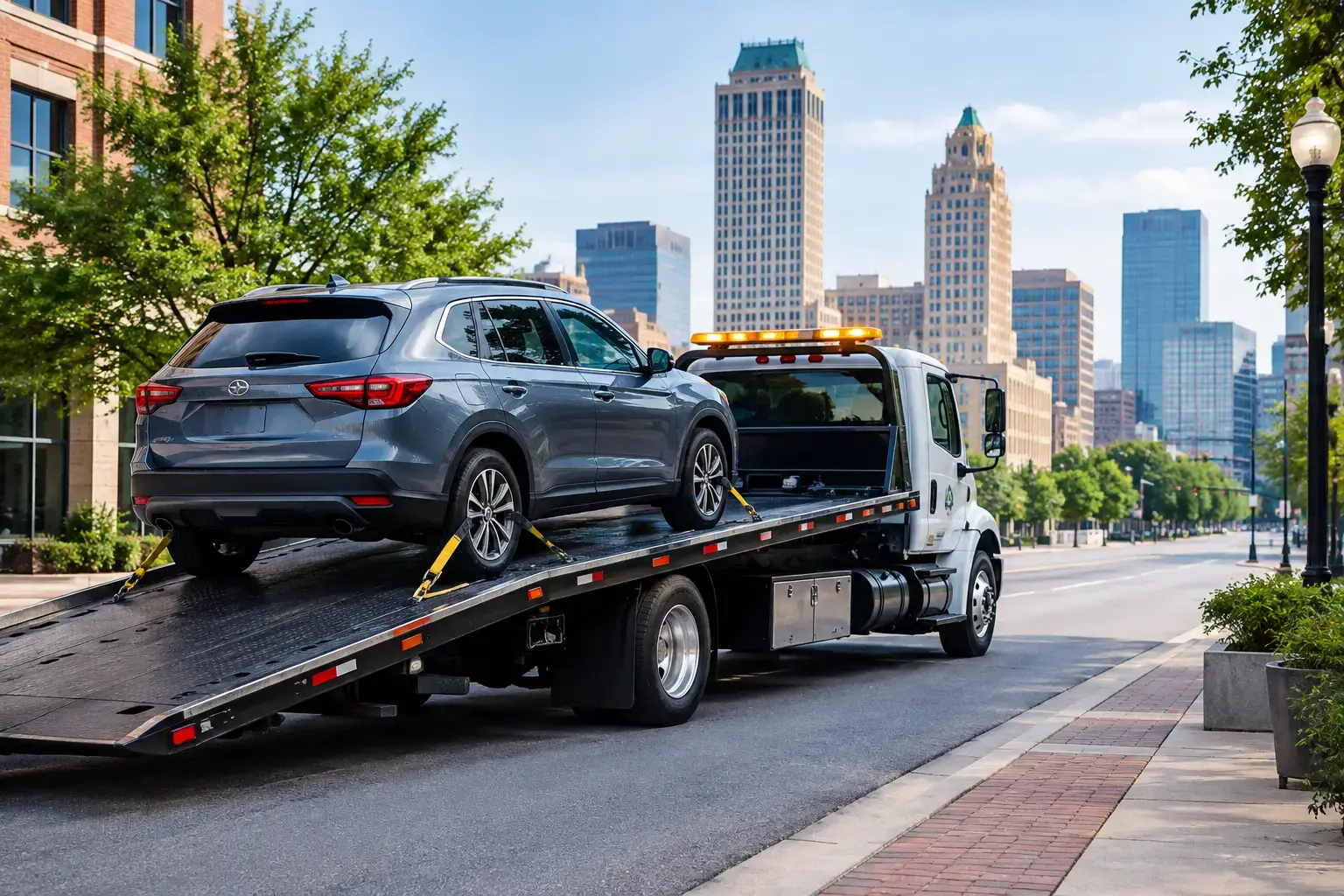
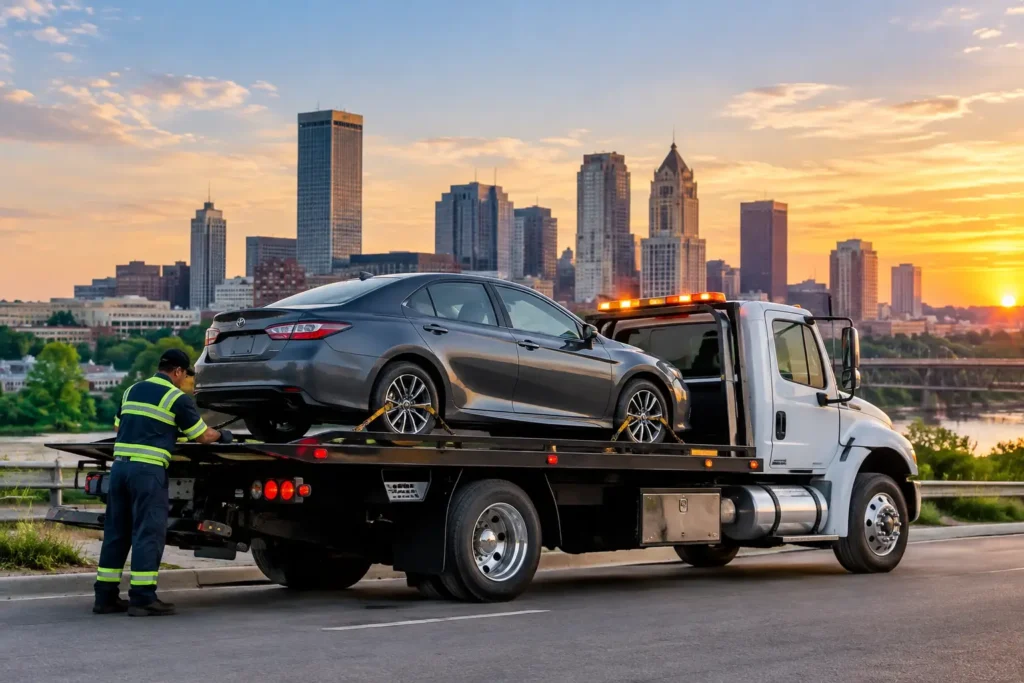
A car can be running perfectly at breakfast and sitting disabled on the shoulder of I-44 by lunch. The top reasons cars need towing usually come down to a few real problems: a mechanical failure, a collision, a tire or battery issue that cannot be solved safely on site, or a vehicle that is stuck and unable to move. Knowing the difference helps you make a safer call when you are already dealing with enough stress.
For drivers in Tulsa, the details matter. A disabled car near Downtown during traffic, a low-clearance vehicle in a South Tulsa parking garage, or a pickup stuck after rain near Tulsa Hills all require a different approach. The goal is not to tow every vehicle automatically. It is to determine whether roadside assistance can get it moving or whether transport is the safer option.
Top Reasons Cars Need Towing in Tulsa
Mechanical breakdowns that leave the vehicle unsafe to drive
Mechanical failure is one of the most common reasons for a tow truck call. The vehicle may crank but not start, overheat, lose power, make a loud new noise, or show warning lights that point to a serious issue. Some problems are minor. Others can turn into expensive damage if the driver tries to push through them.
Overheating is a good example. If the temperature gauge is climbing, steam is coming from under the hood, or coolant is leaking onto the pavement, pulling over is the right move. Continuing to drive can damage the engine. The same goes for low oil pressure, a transmission that will not shift, a broken belt, or a fuel system problem that causes the vehicle to stall.
A tow is often the practical answer when the car cannot move reliably under its own power. This is especially true on US 75, Highway 169, or Memorial Drive, where a vehicle that stalls again can put the driver and other motorists in a bad position. A flatbed keeps all four wheels off the road and gets the vehicle to a repair shop or dealership without adding miles or strain to the failed system.
Accidents and collision damage
Not every accident ends with a car that looks badly damaged. A small impact can still break a steering part, damage a wheel, push a tire against the body, or cause a fluid leak. If the vehicle pulls hard, a wheel is sitting at an odd angle, a bumper is dragging, or any fluid is leaking, it should not be driven away just because the engine still starts.
After a collision, drivers often want to get out of the way quickly. That makes sense, but moving a damaged car without checking it can create another problem. A loose underbody panel can catch the road. A bent suspension component can fail completely. An electric vehicle may need extra care if there is visible battery-area damage or the vehicle will not shift normally.
A proper flatbed tow is usually the safer choice after an accident, particularly for all-wheel-drive vehicles, low cars, and EVs. Careful loading protects the vehicle from further damage and avoids dragging wheels or parts that are no longer tracking correctly.
Flat tires when the spare is not an option
A flat tire does not always mean the car needs towing. If the vehicle is parked safely, the spare is usable, and the driver has the tools and confidence to change it, a tire change can solve the immediate problem. Roadside flat tire help can also get many drivers back on the road without a tow.
But there are times when a flat becomes a towing situation. The tire may have come apart and damaged the wheel. The car may not have a spare, which is common on newer vehicles. The locking lug key may be missing, multiple tires may be flat, or the vehicle may be sitting in an unsafe location where changing a tire is not a good idea.
A blowout along I-44 or a busy stretch of Riverside Drive is not the place to take chances. If there is not enough room to work safely, moving the car by flatbed to a tire shop is often better than trying to make a temporary repair beside fast traffic. The same applies when a low-profile tire is damaged badly enough that it will not hold air.
Dead batteries and charging system failures
A jumpstart is one of the most common roadside assistance calls, and many dead batteries can be handled quickly. A battery may have been drained by interior lights, an aging battery, or a vehicle that sat unused for several days. If the car starts after a jump and stays running normally, the driver may be able to get home or to a shop.
The catch is that a jumpstart does not fix the reason the battery went dead. If the alternator has failed, the vehicle can run briefly and then shut down again once the stored battery power is gone. Corroded terminals, damaged battery cables, and electrical faults can cause the same cycle.
If the vehicle dies again after a jump or warning lights appear while it is running, towing is the safer call. That avoids getting stranded a second time, possibly in a less safe place. For hybrid and electric vehicles, the issue may involve the 12-volt battery rather than the main drive battery, but the vehicle still needs to be handled according to its specific towing requirements.
The car is stuck, blocked, or cannot gain traction
Tulsa does not need a blizzard for vehicles to get stuck. Rain-softened shoulders, muddy lots, steep driveways, curbs, ditches, and slick grass can all leave a vehicle unable to move without help. Spinning the tires repeatedly can dig the car in deeper, damage the tires, or put stress on the transmission.
A winch-out may be enough if the vehicle is otherwise in good condition and can drive safely once it is back on solid ground. It depends on the angle of the vehicle, how deeply it is stuck, where recovery points can be used, and whether there is hidden damage underneath. A car resting on a curb or deep in a ditch may need recovery first and a tow afterward.
This is where experience matters. Pulling from the wrong point or using the wrong angle can damage bumpers, suspension parts, and underbody panels. The job should be planned before the cable is tensioned, not figured out while the vehicle is already moving.
Lockouts and keys that cannot get the car moving
A vehicle lockout does not usually require towing. If the keys are inside, roadside lockout service can often get the door opened without damage. That is a better result than breaking a window or forcing a door frame.
Towing becomes necessary when the key is lost, the fob is damaged, the ignition will not recognize it, or the vehicle cannot be placed into a mode that allows normal driving. Some modern cars require a programmed key before they will start. In that case, transporting the vehicle to a dealership, locksmith, or repair facility may be the next step.
Drivers should avoid trying to force a locked steering wheel, shift lever, or electronic parking brake. A simple key problem can become an additional repair if parts are forced under stress.
When Roadside Assistance Is Enough and When a Tow Is Better
The decision is usually based on one question: can the vehicle be made safe and reliable enough to drive? A jumpstart, tire change, or lockout service may solve the issue on site. But if the car has collision damage, overheats, leaks fluids, will not shift, keeps stalling, or cannot move without risk, a tow is the sensible choice.
It also depends on location. A minor issue in a quiet Midtown parking lot gives you more room to assess the situation than the same issue on a shoulder near Broken Arrow Expressway traffic. Safety comes first, followed by getting the vehicle to the right place without creating further damage.
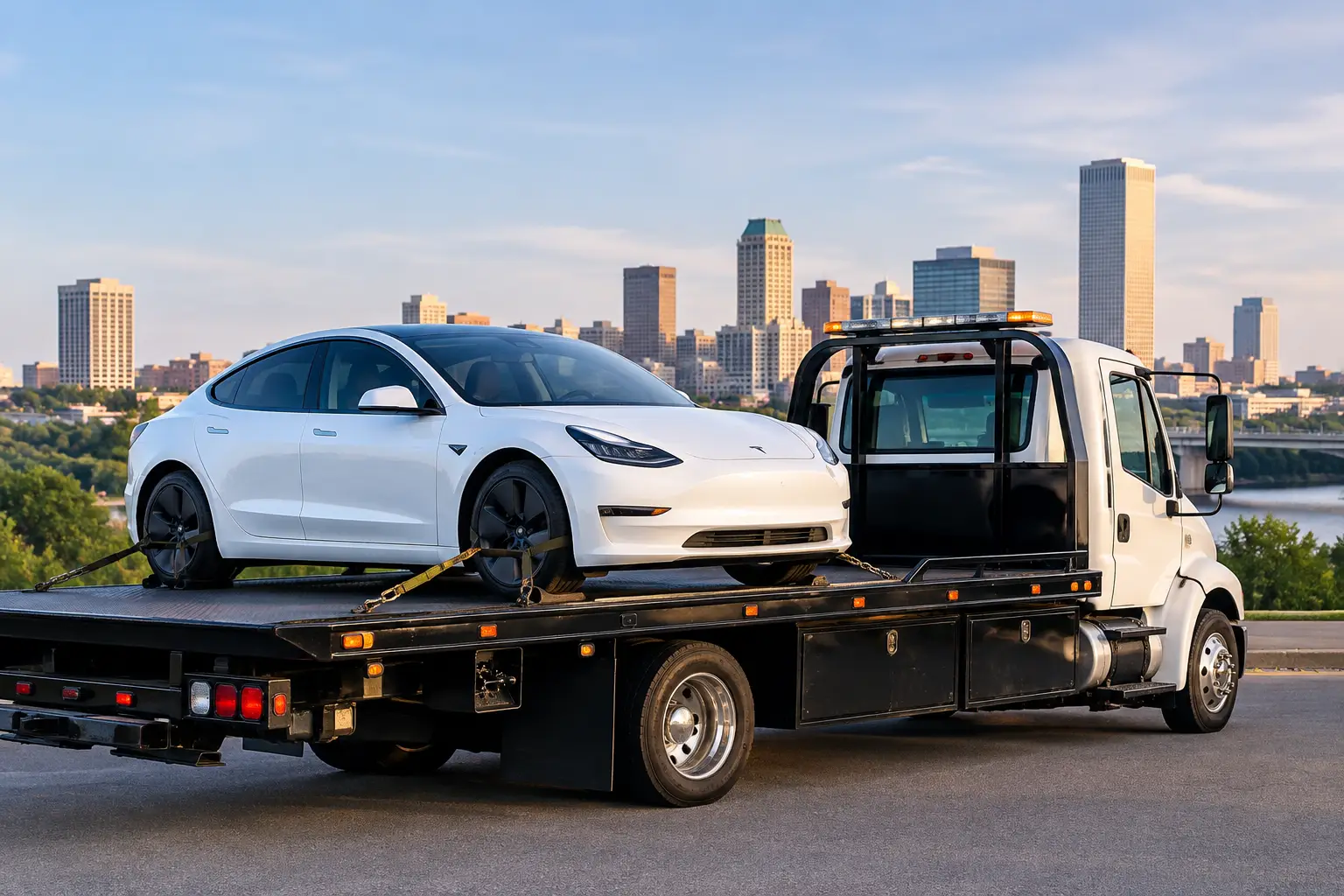
For low-clearance cars, trucks, all-wheel-drive vehicles, and EVs including Teslas, flatbed transport is often the preferred method. It keeps the vehicle fully supported and avoids improper wheel-lift towing. Tulsa Towing uses proper flatbed equipment and clear communication so drivers know what is happening before the vehicle is loaded.
If your car stops cooperating, move out of traffic if it can be done safely, turn on the hazard lights, and avoid guessing at a repair on a busy road. A calm decision at the roadside can protect both the vehicle and the people inside it.