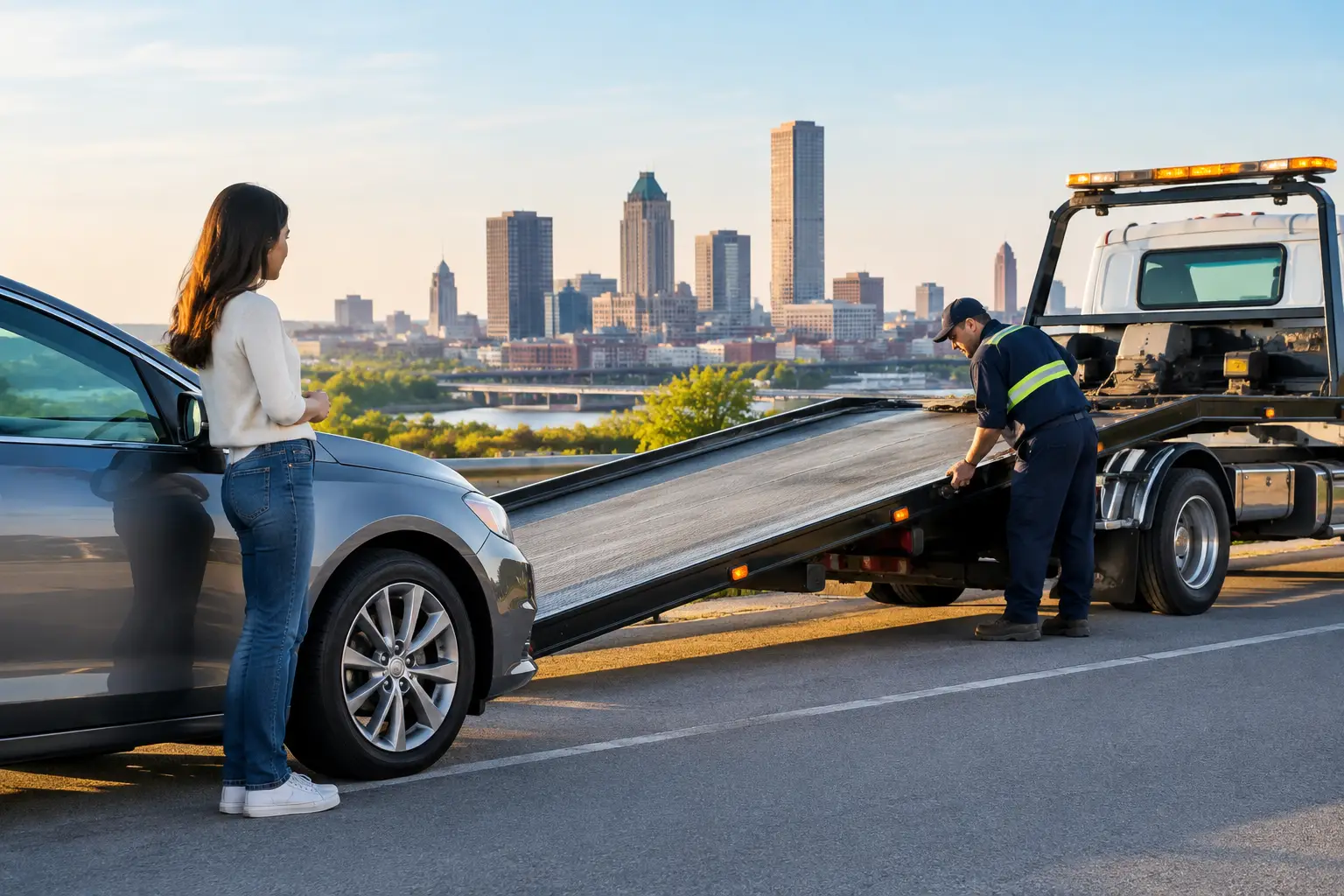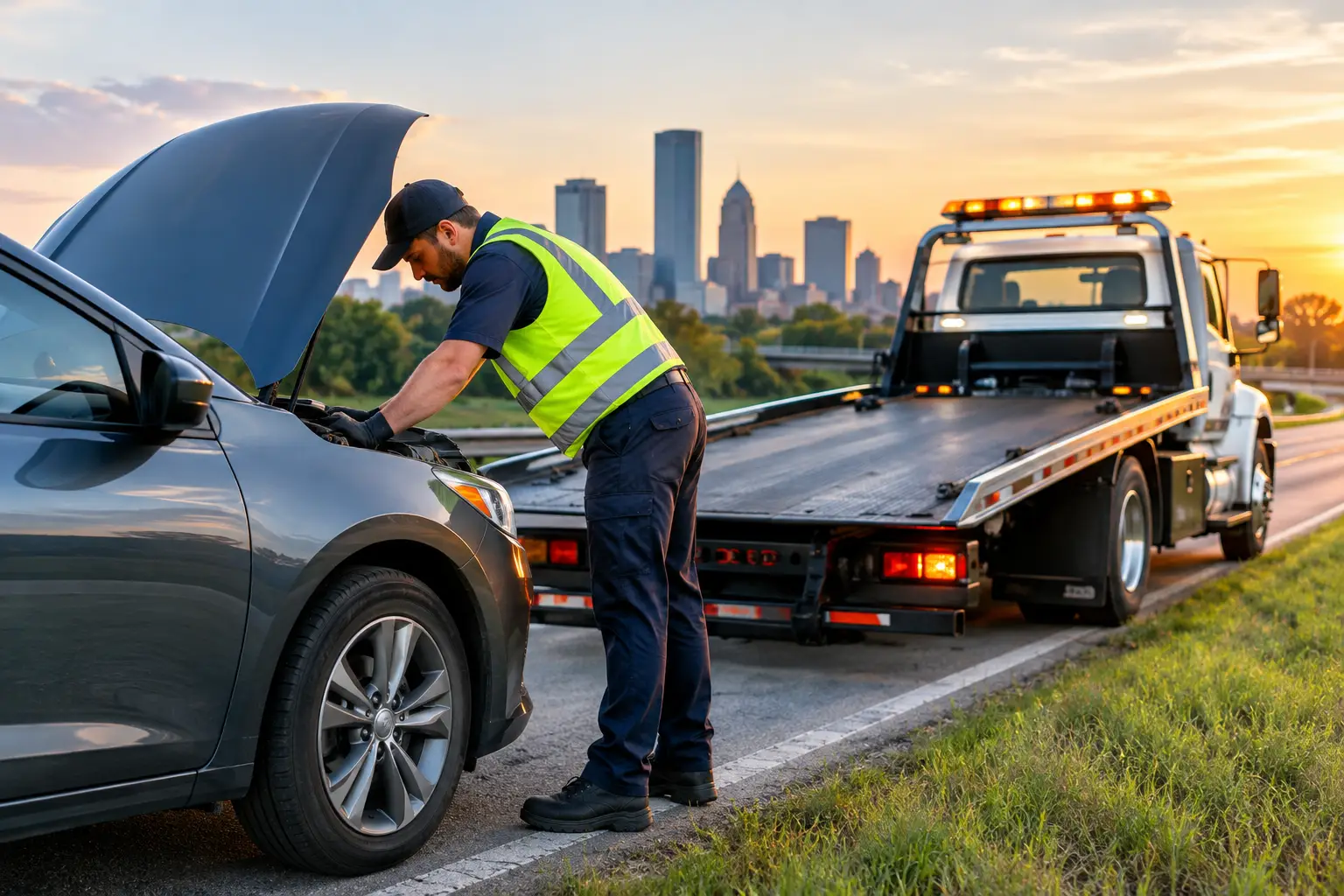
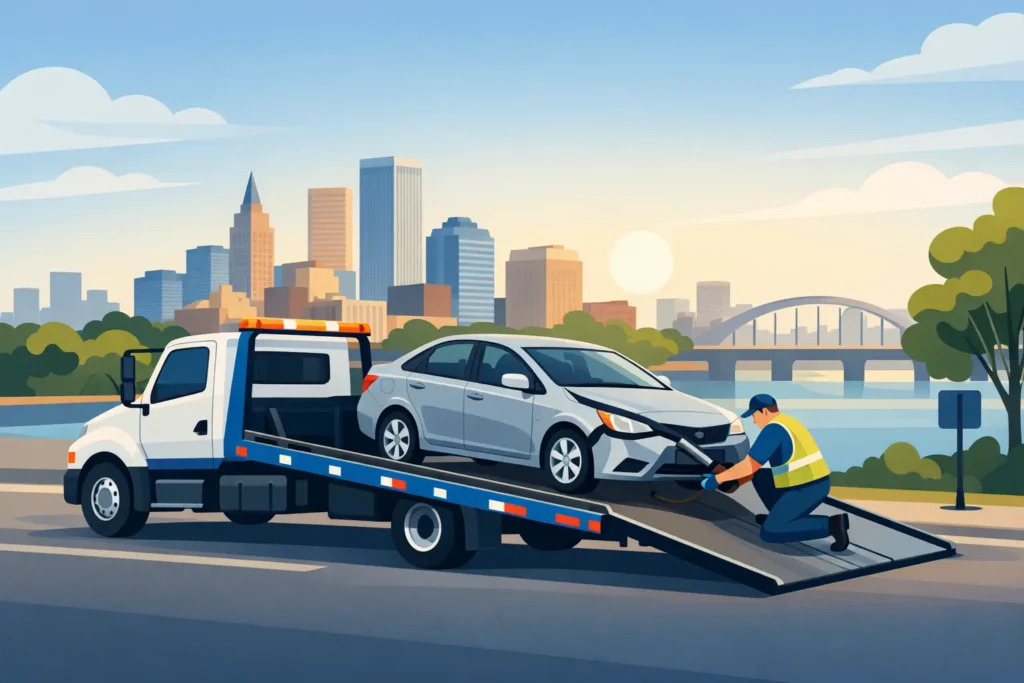
A car that will not move is rarely convenient. It happens in apartment lots, office garages, driveways, and on busy roads where traffic does not slow down just because your vehicle quit. When you need disabled vehicle transport Tulsa drivers can rely on, the main concern is simple – get the vehicle moved safely without adding more damage or more stress.
That sounds straightforward, but the way a disabled vehicle is handled matters more than most people realize. A car with suspension damage, a truck stuck in park, an EV with battery issues, or a low-clearance vehicle after a breakdown all need a different approach. The goal is not just to hook it up and go. The goal is to load it correctly, secure it properly, and get it where it needs to go without turning one problem into two.
What disabled vehicle transport in Tulsa really means
Disabled vehicle transport is for any vehicle that cannot be driven safely or cannot be driven at all. That includes obvious breakdowns, but it also covers situations where the vehicle still starts yet should not be on the road. A car with a leaking fluid line, steering problem, wheel damage, or electrical failure might move under its own power, but trying to drive it can make things worse.
In Tulsa, this kind of call happens every day. A commuter breaks down near I-44. A family SUV will not restart in a store parking lot off Memorial. A pickup has front-end damage after a minor collision and the tires are no longer tracking straight. In each case, the issue is less about distance and more about safe handling.
That is why flatbed towing is usually the right answer for disabled transport. Keeping all four wheels off the ground reduces the chance of drivetrain damage, tire wear, body contact, and loading mistakes. It also gives the operator more control when dealing with vehicles that are locked up, stuck, low to the ground, or not rolling freely.
Why proper equipment matters on a disabled tow
A disabled vehicle is not always easy to load. Some have broken axles. Some have steering that will not respond. Some sit too low for careless loading. Others are electric vehicles that require the right process, not guesswork.
This is where proper flatbed equipment makes a real difference. A good setup allows careful winching, controlled angles, and secure placement on the bed. That matters in real-world situations, especially in tight spaces around Midtown neighborhoods, downtown garages, or crowded shopping centers where there is not much room to work.
There is also a big difference between moving a vehicle and moving it without damage. Rushed loading can scrape bumpers, stress tie-down points, or create problems underneath the vehicle that were not there before. A disabled tow should be treated like a transport job, not a quick pull-and-go call.
When to call for disabled vehicle transport Tulsa service
Some drivers wait too long because they are hoping the car will make it one more mile. Sometimes it does. Sometimes that decision turns a towable problem into a more expensive repair.
If the engine overheated, the transmission is slipping badly, the steering feels unstable, the brakes are not responding correctly, or the vehicle will not stay running, it is usually smarter to stop and have it transported. The same goes for accident damage, even after a minor collision. If something feels off in the suspension, wheel alignment, or body clearance, driving it can cause additional damage fast.
There are also cases where the car is not technically broken down but still needs disabled transport. A dead EV with limited battery, a vehicle stuck in a parking garage, or a car that will not come out of neutral or park all fall into that category. The question is not whether the vehicle moved earlier in the day. The question is whether it can be moved safely now.
What the process should look like
When you call for a disabled transport, clear communication saves time. The most useful information is your location, the type of vehicle, what happened, and whether the vehicle rolls, steers, or has any visible damage. If it is in a garage, on a shoulder, or in a tight lot, that matters too.
From there, the job should be simple. A truck is dispatched, the operator assesses the condition of the vehicle on site, and the safest loading method is used based on the problem in front of them. Sometimes the vehicle can be rolled onto the bed. Sometimes it has to be winched carefully. Sometimes extra care is needed because the wheels are turned, the brakes are locked, or the vehicle sits too low.
Once loaded, the vehicle should be secured correctly and transported to the destination you choose, whether that is a repair shop, dealership, tire store, your home, or another local address. Clear updates matter here because most customers are already dealing with enough. They should not have to guess what is happening with their car.
Different vehicles bring different challenges
Not every disabled tow is a standard sedan with a dead battery. Tulsa drivers call for transport on half-ton pickups, work trucks, SUVs, EVs, and low-clearance cars that need a more careful approach.
Heavy-duty pickups need the right bed capacity and securement. Low sports cars need proper loading angles to avoid front-end scraping. Electric vehicles need to be handled in a way that protects the drive system and battery-related components. A vehicle with collision damage may have one corner sitting lower than the others, which changes the way it has to be winched and positioned.
This is where experience shows. The job looks simple from the curb, but the operator has to read the situation quickly and choose the right method. If the vehicle is in a narrow apartment lot in South Tulsa or along a busy stretch near US 75, there is not much room for trial and error.
Local response matters when the vehicle is stuck
Disabled transport is often time-sensitive even when it is not a full emergency. A vehicle blocking a lane, sitting in a business entrance, or stranded in a high-traffic area needs to be moved without delay. Local route knowledge helps with that.
Knowing how to reach Riverside, Tulsa Hills, Memorial, or the highway corridors without wasting time can make the whole process smoother. The same goes for understanding where loading is tricky, where traffic backs up at certain hours, and how to work safely in areas where space is tight.
That local focus also helps with destination planning. Many disabled vehicles only need a short move across town to a trusted repair shop or dealership. In those cases, speed matters, but handling still matters more. A short tow done carelessly is still a bad tow.
What customers usually want to know right away
Most people in this situation are not looking for a long explanation. They want to know three things. Can you get there, can you move the vehicle safely, and will the process stay simple.
That is why straightforward service matters. No confusion, no vague answers, no extra complications. Just clear information about the dispatch, the vehicle handling, and where the tow is going. Tulsa Towing, powered by Neptune Towing, is built around that kind of call – fast response, proper flatbed towing, and damage-free transport for vehicles that cannot be driven safely.
If you are the one standing next to a disabled vehicle right now, do not overthink it. If the car will not move, should not move, or does not feel safe to drive, have it transported the right way. A careful tow now is usually cheaper than fixing the damage caused by trying to force the vehicle down the road.