A dead battery on Memorial, a flat on I-44, or a car that will not start in a Tulsa Hills parking lot can turn a normal day into a problem fast. When people ask for recommendations for a tow truck, they usually need more than a company name. They need to know who can reach them, handle their vehicle correctly, and explain what happens next without adding confusion.
The right towing choice depends on the vehicle, where it is sitting, and why it cannot move. A low-clearance car needs different loading care than a heavy-duty pickup. An electric vehicle may have manufacturer-specific transport requirements. A vehicle stuck off pavement may need to be recovered before it can be safely loaded. A quick call with the right questions can make a stressful situation much easier to manage.
Start With Safety Before Calling
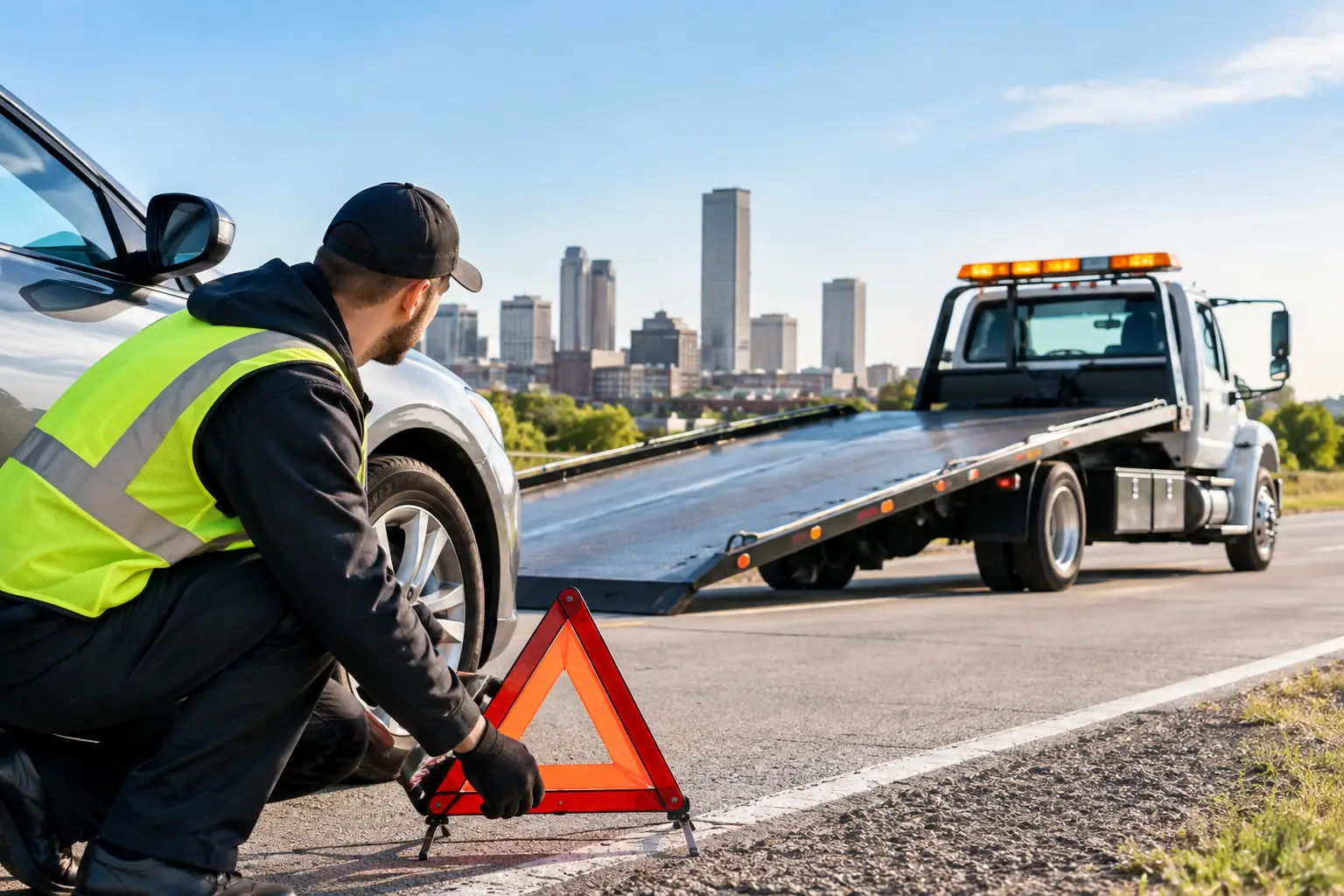
If your vehicle is on a busy road, your first concern is getting out of the flow of traffic. Move it to a safe shoulder or parking area if it can be driven without causing more damage. Turn on your hazard lights, watch for traffic, and stand away from the road when it is safe to exit. On high-speed areas such as US 75, Highway 169, or I-44, avoid standing between your vehicle and traffic.
If the vehicle will not move, tell the dispatcher exactly where it is located. A useful location is more than the nearest street name. Mention the direction of travel, nearby exit, cross street, parking lot entrance, apartment building, or recognizable business. “Northbound US 75 near the 71st Street exit” gives a tow operator a much clearer starting point than “somewhere by 71st.”
Also explain whether the vehicle is in a driveway, garage, tight parking space, ditch, mud, or an active traffic lane. Access matters. A truck may need to approach from a certain direction or use different equipment when room is limited.
What Good Tow Truck Recommendations Should Include
A solid recommendation is based on the actual job, not just who answered the phone first. Look for a towing service that asks a few practical questions before dispatching. Those questions show that the operator is planning how to handle your vehicle instead of treating every call the same.
Ask What Equipment Will Be Used
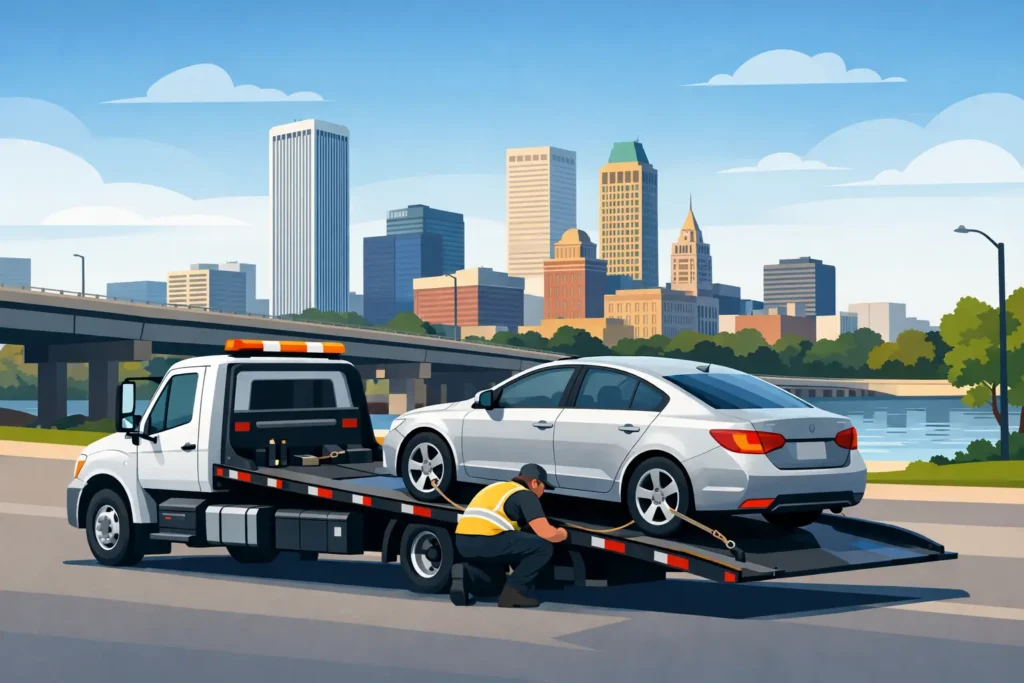
For many cars, SUVs, trucks, and electric vehicles, a flatbed is the safest transport option. The entire vehicle rides on the bed rather than rolling behind the tow truck. This helps avoid unnecessary wear and reduces the chance of damage when a vehicle has drivetrain problems, low ground clearance, or cannot be put in neutral.
That does not mean every situation is identical. A vehicle with a damaged wheel, locked steering, or a severely low front end may need extra care during loading. Tell dispatch about any visible accident damage, flat tires, missing wheels, or parts dragging beneath the vehicle. The more accurate the information, the better prepared the operator can be.
If you drive a Tesla or another EV, say so immediately. Electric vehicles are not handled by guesswork. They may require specific transport methods to protect the battery system, underbody, and drivetrain. A company familiar with EV towing will know that the loading process needs to be deliberate, especially if the vehicle is disabled or cannot be shifted normally.
Confirm the Vehicle Can Be Moved Safely
A tow truck operator needs to know whether your vehicle rolls, steers, and shifts into neutral. If you do not know, say that. Do not force a shifter or keep trying to start a vehicle that has warning lights, smoke, leaking fluids, or signs of overheating.
This is especially important after an accident. Even a minor impact can damage a wheel, suspension component, or steering part. The car may look driveable but be unsafe to move under its own power. Let the towing company know if an airbag deployed, a tire is pushed inward, a wheel is turned at an odd angle, or the vehicle is leaking anything.
Get Clear on the Destination and Scope
Before the truck arrives, decide where you want the vehicle taken. It may be your home, a trusted repair shop, a dealership, or another safe location. Give the full address and make sure the destination can accept the vehicle, particularly outside normal business hours.
Ask whether the quoted service covers loading, transport, and unloading at that location. If your vehicle is underground, blocked in, stuck, or needs a jumpstart before loading, mention it upfront. Those details can affect the equipment and time required. Clear communication is not about creating extra steps. It prevents surprises when help arrives.
Recommendations for a Tow Truck Near You: Questions to Ask
When you are searching “tow truck near me,” you do not need a long interview. A few direct questions will tell you whether the service understands the job.
Ask whether they can handle your vehicle type, whether a flatbed is available for the situation, and what information they need to dispatch the right truck. Ask for an estimated arrival range rather than assuming an exact minute. Tulsa traffic, construction, weather, and the location of the nearest available truck can all affect timing.
It also helps to ask how the driver will contact you on arrival. If your vehicle is in a large lot, a hospital complex, or along a highway frontage road, meeting the operator quickly saves time and keeps everyone safer. Keep your phone charged if possible and stay available for a call or text.
A professional response should be plain and specific. You should understand what is being sent, what the operator needs from you, and where your vehicle will go. If something about the job changes before the truck arrives, such as a friend gets the car started or you find new damage, call back and update dispatch.
Do Not Choose Only by the Lowest Number
Price matters, especially when a breakdown was not in the budget. But the cheapest quote is not always the full cost of the job, and it does not tell you how carefully your vehicle will be handled. Towing is one of those services where the right equipment and an experienced operator can prevent a second problem from being added to the first.
Compare what is actually included. A short in-city tow from Midtown to a repair shop is different from recovering a vehicle that is stuck in mud near a residential area. An all-wheel-drive vehicle, a lowered car, or a pickup with a trailer attachment may also require more planning than a standard tow.
The goal is not to overpay. It is to get a clear explanation before service begins. If the dispatcher knows the vehicle, location, condition, and destination, the quote will be based on real information instead of assumptions.
Help the Driver Protect Your Vehicle
Once the tow truck arrives, point out anything the operator should know: custom body parts, low spoilers, a locked wheel, an alarm, a key issue, or damage that was already present. Remove valuables and personal items if you can do so safely. Take a few photos of the vehicle’s condition, particularly after an accident, for your own records.
Have the key, registration, and destination details ready. If the repair shop is closed, confirm where the vehicle should be left and whether the shop has after-hours instructions. Small details like these keep the handoff simple.
A careful operator will assess the vehicle before loading, choose the safest attachment points, and take the time needed to position it correctly. That matters in tight parking garages, on sloped driveways, and with vehicles that cannot roll freely. Rushing a difficult load is where avoidable damage can happen.
When Roadside Assistance May Be Enough
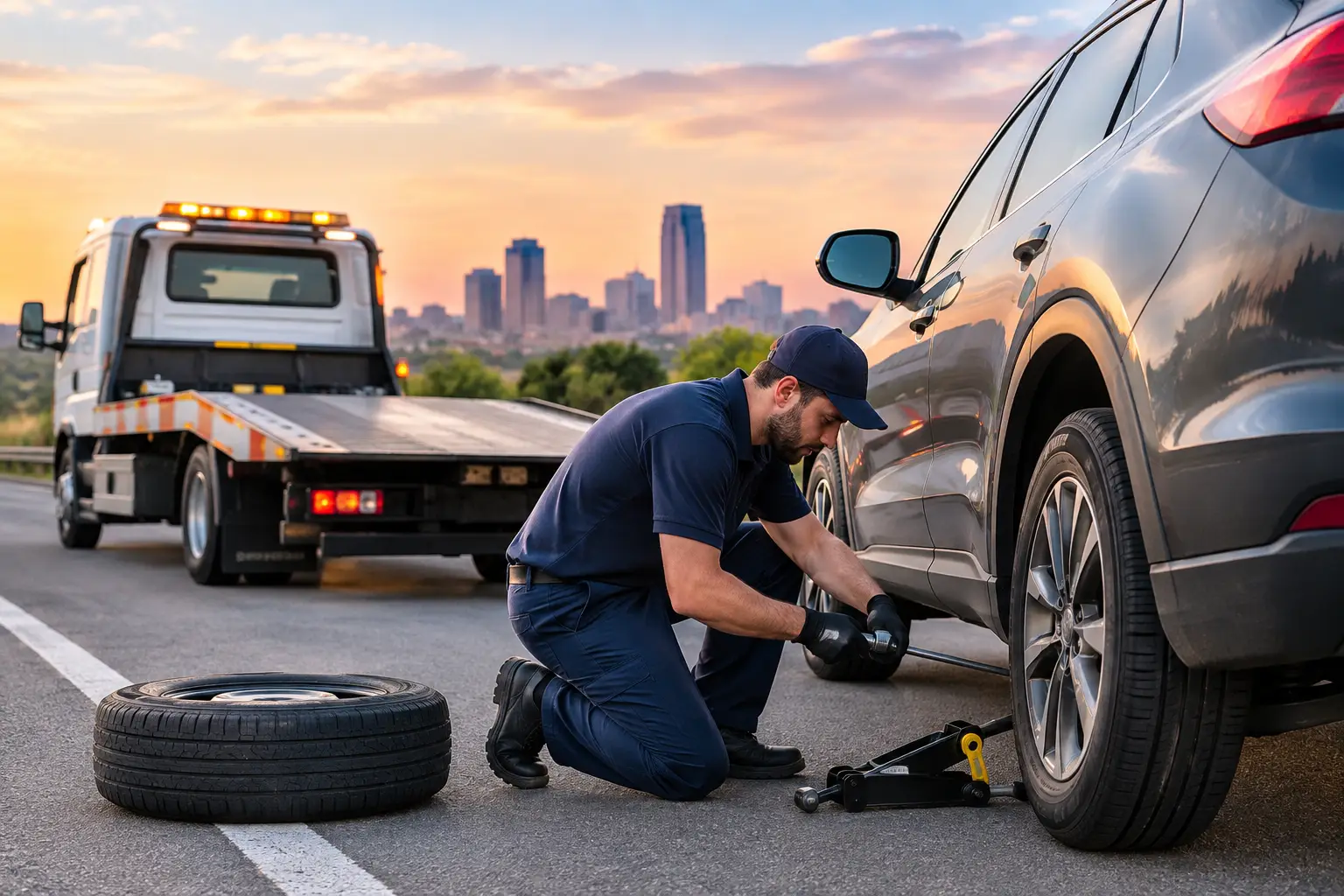
Not every call needs a tow. If the problem is a dead battery, a flat tire with a usable spare, or keys locked inside the vehicle, roadside assistance may get you moving again. A jumpstart can help when the battery is simply drained, but it will not fix a battery that has failed or an alternator that is no longer charging.
If the vehicle starts but warning lights remain on, it is overheating, steering feels wrong, or it stalls again, a tow is usually the safer choice. Driving a disabled vehicle a few more miles can turn a manageable repair into a larger one.
For drivers in Tulsa, Jenks, Bixby, and Broken Arrow, a local operator who knows the area can make a difference when traffic is heavy or the vehicle is hard to access. Tulsa Towing, powered by Neptune Towing, focuses on straightforward roadside help and damage-free flatbed transport without the added complication of storage or impound services.
The useful recommendation is simple: choose the tow truck that understands your vehicle, asks the right questions, and gives you a clear plan before the loading starts. That is how you get your car off the road and where it needs to go with fewer problems to solve afterward.