A dead battery can turn a normal stop into a problem fast. You park at a store near Memorial Drive, finish work in Downtown Tulsa, or pull into your driveway in Brookside, then get nothing but a click when you turn the key. If you are looking for a review roadside help for dead battery situations, the real question is simple: will the service get your vehicle running safely, or will it leave you stranded again a few blocks later?
Roadside battery help is often the right answer, but not every no-start problem is a simple dead battery. A good provider looks at the situation before connecting cables, communicates clearly, and knows when a jumpstart is not the safe or useful fix.
What Roadside Help for a Dead Battery Should Include
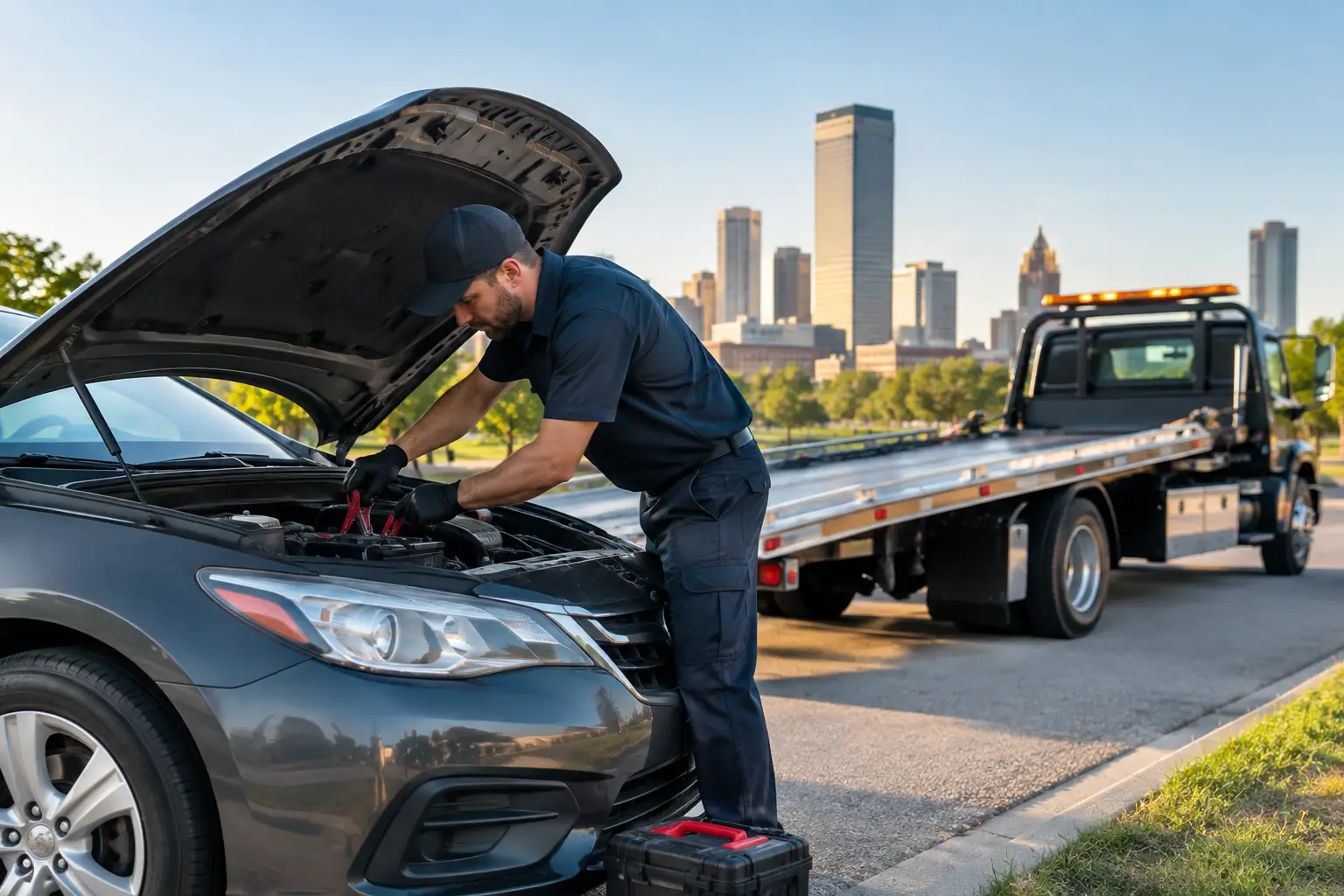
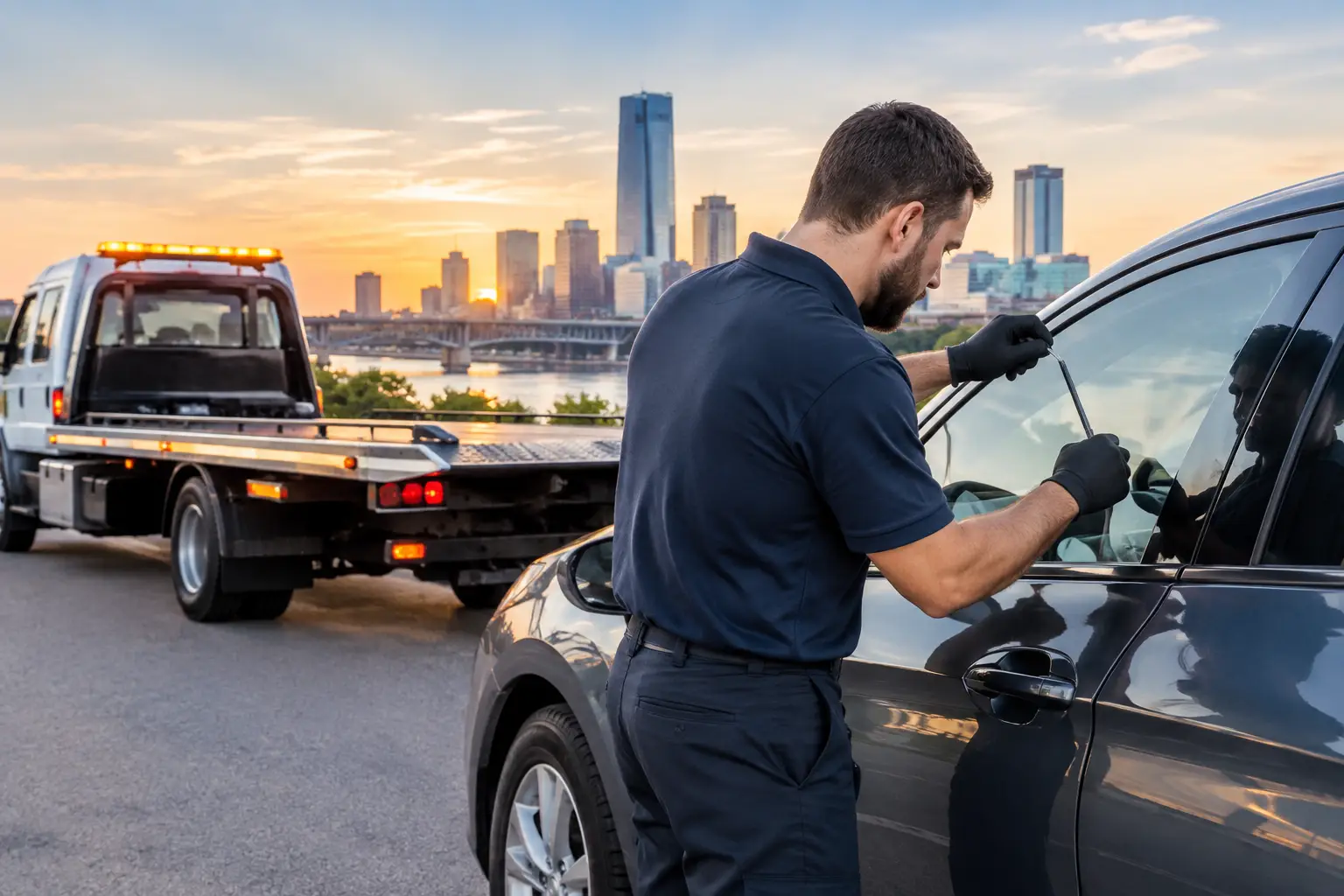
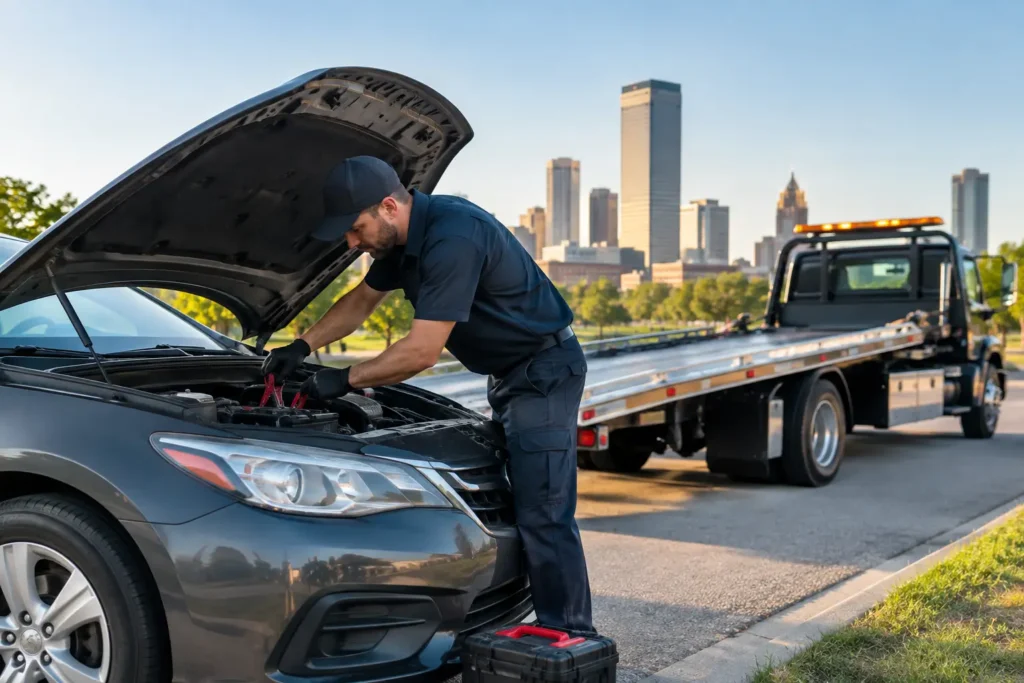
The basic job is straightforward. A roadside technician arrives, confirms the vehicle is safe to approach, identifies the battery location, and uses proper jump equipment to supply enough power for the vehicle to start. But the details matter.
A careful jumpstart begins with making sure the vehicle is in park or neutral, the parking brake is set, and there are no obvious signs of battery damage. A swollen battery case, leaking fluid, heavy corrosion, or a strong sulfur smell can mean the battery should not be jumped. Trying to force a start in those conditions can create a bigger problem.
For most standard cars and trucks, a portable jump pack is cleaner and more controlled than pulling another vehicle alongside and running jumper cables across a parking lot. It also avoids the common issue of poor cable placement or accidental contact with moving engine parts. Once the vehicle starts, the technician should remove the equipment carefully and let you know what to watch for next.
The goal is not just hearing the engine turn over. The goal is giving you a safe next step.
A Practical Review of Roadside Help for Dead Battery Calls
A roadside jumpstart is usually worth it when the battery went down for a clear, one-time reason. Maybe an interior light was left on, a door was not fully latched, or the vehicle sat unused for several days. In those cases, a proper jump can get you back on the road quickly.
The trade-off is that a jumpstart does not repair a worn-out battery, a charging-system problem, loose battery terminals, or a vehicle that has an electrical draw while it is parked. If the engine starts but the battery warning light stays on, the headlights dim, or the vehicle dies shortly after the jump pack is removed, continuing to drive may not be the right move.
A useful review of roadside help for a dead battery should account for that difference. The best service is not the one that tries to jump every vehicle no matter what. It is the one that recognizes when the battery is likely the only issue and when the vehicle needs transport to a repair shop instead.
That matters on busy Tulsa roads. A vehicle that restarts in a parking lot is one thing. A vehicle that dies again on I-44, US 75, or Highway 169 creates a safety concern for everyone nearby. If there is doubt about whether it will stay running, arranging a tow is often the safer decision.
Signs a Jumpstart May Be Enough
If the dashboard lights come on but the engine only clicks or cranks slowly, the battery may simply be low. The same is true when the vehicle started normally before sitting with lights or accessories on. After a successful jump, the engine should sound normal, electrical accessories should work properly, and the battery warning light should go out.
You should still drive directly to a battery retailer, repair shop, or home if the trip is short and the vehicle is operating normally. Do not treat the jump as proof that the battery is good. It only proves the vehicle had enough outside power to start at that moment.
Signs You May Need a Tow Instead
A tow makes more sense when the vehicle will not crank after a properly performed jump, starts and immediately stalls, or shows a battery warning light after starting. These signs can point to something beyond a discharged battery.
The same applies if the battery is visibly damaged, terminals are loose or badly corroded, or the vehicle has a recurring no-start issue. A jump may get the engine running briefly, but it will not solve a failing alternator or an electrical issue that keeps draining the battery.
For low-clearance vehicles, trucks, and electric vehicles, the transport method matters too. Flatbed towing keeps all four wheels off the ground and avoids unnecessary wear or damage during transport. That is especially useful when a vehicle is stopped in a tight garage, at an apartment complex, or on a busy road in Midtown or South Tulsa.
What to Tell the Roadside Provider Before They Arrive
Clear information helps get the right help dispatched. You do not need to diagnose the vehicle yourself, but a few details can prevent wasted time.
Tell the dispatcher your exact location, including the nearest cross street, parking lot entrance, or highway direction. Let them know whether the vehicle is in a safe spot, a garage, a driveway, or on the shoulder. Mention the year, make, model, and whether it is gas, diesel, hybrid, or electric.
It also helps to describe what happens when you try to start it. Does it click once? Crank slowly? Do the dash lights come on? Did it die while you were driving? Those answers help separate a likely battery problem from a possible starter, alternator, or fuel-related issue.
If you have a Tesla or another EV, say so at the beginning. Electric vehicles have a separate low-voltage battery that can leave the vehicle unable to wake up or shift properly, but they also have manufacturer-specific jump points and handling requirements. A roadside provider should follow the vehicle’s proper procedures rather than treating it like a conventional car.
Safety Comes Before a Quick Start
If your vehicle dies in traffic or on a highway shoulder, get yourself to a safer location if you can do so without crossing active lanes. Turn on hazard lights, keep the doors locked if the area feels unsafe, and stand away from traffic when conditions allow. Do not open the hood beside fast-moving vehicles unless you are well clear of the roadway.
At night or in rain, a dead battery call takes more care. Visibility is lower, road surfaces are slick, and other drivers may not see a stopped vehicle until they are close. This is where local route knowledge matters. A provider familiar with Tulsa corridors can assess access and loading conditions without adding confusion to an already stressful stop.
Do not keep trying the ignition repeatedly if the vehicle is not starting. Multiple attempts can drain the remaining battery power and may make it harder to determine what is actually wrong. One or two attempts are enough to describe the symptoms accurately.
What Happens After the Vehicle Starts
Once the engine starts, avoid shutting it off until you have reached a sensible destination. If you need fuel, food, or to pick someone up, handle that after the battery and charging system have been checked. A vehicle that needed a jump may restart normally later, but it may also leave you stuck again with no warning.
If the battery is more than a few years old, has been slow to start in recent weeks, or has needed more than one jump, plan on having it tested. Most battery problems show small signs before the final no-start: slower cranking, flickering lights, electronics resetting, or trouble starting after a cold morning.
A reliable roadside call should leave you with a clear answer, not a vague promise that the vehicle is fine. If a jumpstart is appropriate, it gets you moving. If the vehicle needs a tow, damage-free transport to the shop you choose is the practical next step.
When your vehicle will not start, keep the decision simple: get to a safe spot, share accurate details, and choose help that treats the battery issue and the vehicle itself with care. Tulsa Towing can provide a jumpstart when it makes sense or safely move the vehicle when the problem calls for more than a boost.