A vehicle that will not start can turn a normal morning into a roadside problem fast. The common causes of dead batteries are usually straightforward, but the right next step depends on whether the battery is drained, worn out, loose, or being affected by another issue in the charging system. Knowing the difference can save you from getting stranded again later the same day.
A jumpstart may get the engine running, but it does not automatically mean the problem is fixed. If you are stopped somewhere unsafe, on I-44, US 75, or in a busy Tulsa parking lot, focus on getting out of traffic first. Once the vehicle is in a safe place, you can narrow down what caused the no-start.
Common Causes of Dead Batteries
Lights and accessories left on
A dome light, trunk light, glove box light, or headlights left on can drain a battery overnight. It is one of the most common real-world causes, especially when a vehicle was parked normally the night before and has no electrical problems once it is jumpstarted.
Modern vehicles can also drain a battery through smaller loads. A charger left plugged in, an aftermarket dash camera, a radio that does not shut off correctly, or a door that was not fully latched can all keep drawing power. One small interior light may not look like much, but a battery has limited reserve capacity when the engine is off.
If the vehicle starts and continues to start normally after a proper drive, an accidental power draw may have been the whole issue. If it goes dead again, there is likely more going on.
An aging battery
Car batteries do not last forever. In Oklahoma, summer heat is especially hard on them. High temperatures speed up the chemical wear inside the battery, and the failure often shows up later when the weather changes or the vehicle sits for a few days.
Many batteries last roughly three to five years, but that range is not a promise. A battery in a daily-driven vehicle may last longer than one that sits outside, makes mostly short trips, or deals with extreme heat. Check the date label on the battery if you can. If it is already several years old and the engine is cranking slowly, replacement is often more sensible than repeated jumpstarts.
Corroded or loose battery connections
Battery terminals need clean, tight contact to deliver enough power to the starter. White, blue, or green buildup around the terminals is corrosion. It can block the electrical connection even when the battery itself still has charge.
Loose cable connections can create the same symptoms. You may hear a click, see dashboard lights come on, or lose power when you turn the key. Sometimes the vehicle starts after the cable is moved, which is a strong sign that the connection needs attention.
Do not force a damaged cable or attempt a repair beside fast traffic. A terminal that is cracked, badly corroded, or loose at the battery should be handled carefully. The same goes for swollen battery cases or visible leaks. Those are not jumpstart situations.
Short drives and long periods of sitting
Starting an engine uses a large amount of battery power. The alternator replaces that power while you drive, but a five-minute trip to the store may not fully recharge it. Do that repeatedly, especially with air conditioning, lights, and phone charging running, and the battery can gradually fall behind.
The opposite problem is a vehicle that sits for days or weeks. Even when everything is turned off, many vehicles have a small ongoing electrical draw for memory, security, keyless entry, and computer systems. A healthy battery can tolerate that for a while. A weak battery may not.
This is common with second vehicles, work trucks, project cars, and cars left at an airport or apartment complex. If a battery dies after sitting, it may need a full charge and a test rather than a quick jump and an immediate drive across town.
Alternator or charging-system trouble
The battery starts the vehicle. The alternator keeps it charged while the engine runs. When the alternator is failing, a jumpstart may get you moving, but the vehicle can lose power again once the battery’s remaining charge is used up.
Warning signs can include a battery warning light on the dash, headlights that dim or brighten while driving, a burning smell, electrical accessories acting strangely, or a vehicle that stalls after a jumpstart. These signs do not always mean the alternator is the problem, but they are a reason not to assume a new battery will solve everything.
If the battery light comes on while you are driving, avoid taking a long route home or continuing through heavy traffic if the vehicle is already showing electrical issues. Get to a safe location. A vehicle with a charging problem can shut down with little warning.
Extreme temperatures
Tulsa heat can shorten a battery’s working life, while a cold snap makes an already weak battery show its age. Cold weather thickens engine oil and increases the power needed to crank the engine. Heat does more damage over time by evaporating battery fluid and degrading internal components.
That is why a battery may seem fine for months, then fail on the first truly cold morning. The cold did not necessarily create the problem. It often exposed a battery that was already near the end of its useful life.
A parasitic draw or electrical issue
A parasitic draw means something continues using power after the vehicle is turned off. A stuck relay, failing module, faulty aftermarket accessory, or wiring issue can drain a battery repeatedly. This is different from leaving a light on once.
A common pattern is simple: the battery tests okay, the vehicle starts after being charged, and then it is dead again after sitting overnight or for a day or two. That calls for proper diagnosis at a repair shop. Replacing the battery without finding the draw can leave you with the same problem and a new battery that is being drained.
Is It Really a Dead Battery?
Not every no-start is caused by the battery. A single click can point to a weak battery, a bad connection, or a starter issue. Rapid clicking usually points more strongly toward low battery power. No sound at all may involve the battery, but it can also be related to a fuse, ignition switch, neutral safety switch, or electronic system.
If the engine cranks normally but will not fire up, the battery may not be the problem. Fuel, ignition, sensor, or engine issues can cause that kind of no-start. A jumpstart is unlikely to help when the engine turns over at normal speed but never starts.
Electric and hybrid vehicles need extra care here. Their 12-volt battery can still go dead even though they have a large high-voltage battery pack. The jump points and procedures vary by vehicle, and the high-voltage system should not be treated like a standard battery. When there is any doubt, use the vehicle’s manual or have it transported properly instead of guessing.
What to Do When Your Battery Dies
First, make sure you are parked safely. Turn on hazard lights if needed, move away from traffic when possible, and avoid standing near moving vehicles. If the vehicle is in a travel lane, on a highway shoulder with limited room, or in a dark area, calling for help is the safer choice.
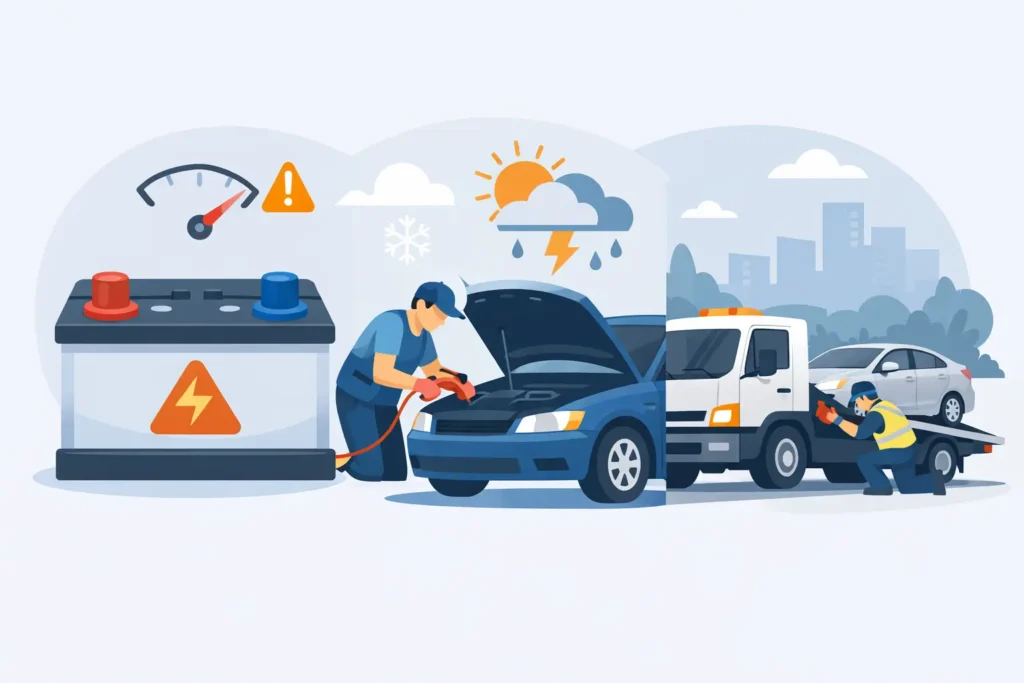
If you have jumper cables or a jump pack and know how to use them correctly, a jumpstart can be reasonable for a standard 12-volt battery with no visible damage. Keep metal tools away from the terminals, follow the correct connection order, and do not try to jump a battery that is cracked, leaking, or swollen.
After the vehicle starts, do not assume a 10-minute drive has solved the problem. Pay attention to the battery light, dimming lights, unusual smells, or a rough electrical system. If the vehicle dies again, needs repeated jumps, or has an old battery, it needs testing and likely repair or replacement.
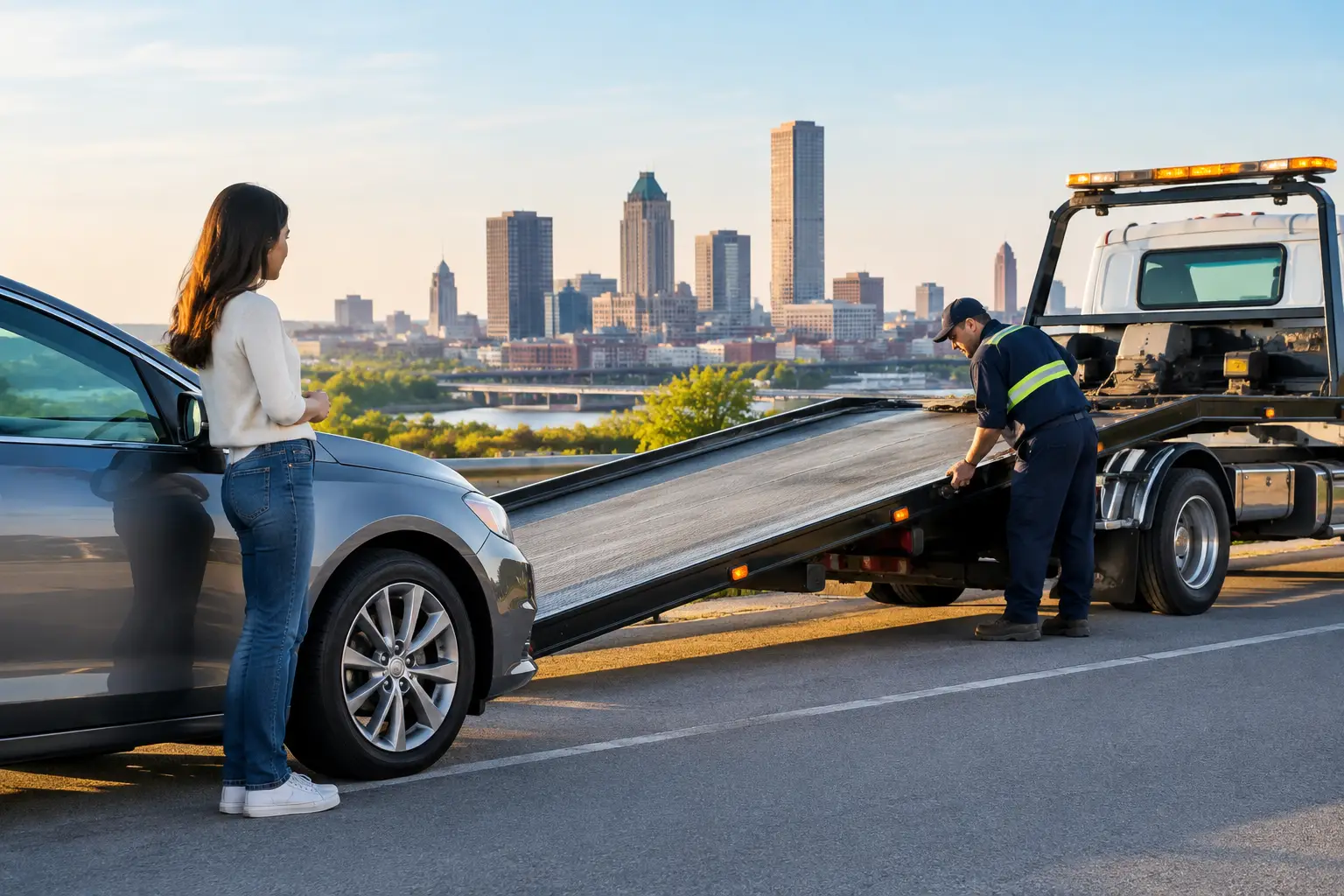
For drivers in Tulsa, Jenks, Bixby, and Broken Arrow, roadside help can make sense when the situation is not safe for a DIY jumpstart or when the vehicle will not stay running. Tulsa Towing can provide a jumpstart when appropriate or safely transport the vehicle to the repair shop or dealership you choose. Flatbed transport is also the right call for vehicles with charging issues, low-clearance cars, and EVs that should not be handled by guesswork.
A dead battery is frustrating, but it is usually giving you a clear clue. Handle the immediate safety issue first, then use what happened before and after the jumpstart to decide whether you need a new battery, a connection repair, or a closer look at the charging system.