When your car quits in traffic, won’t start in a parking lot, or ends up stuck where it can’t move safely, you do not have time to sort through vague answers. These frequently asked questions cover the things drivers usually need to know right away – how towing works, what to expect, and how to avoid making a bad situation worse.
Most people calling for a tow are dealing with the same mix of stress and uncertainty. They want to know how fast someone can get there, whether the vehicle can be moved without damage, and whether roadside help is enough or if a full tow is the smarter call. Clear answers matter because the wrong move at the wrong time can turn a simple breakdown into a bigger repair.
Frequently Asked Questions About Tow Truck Service
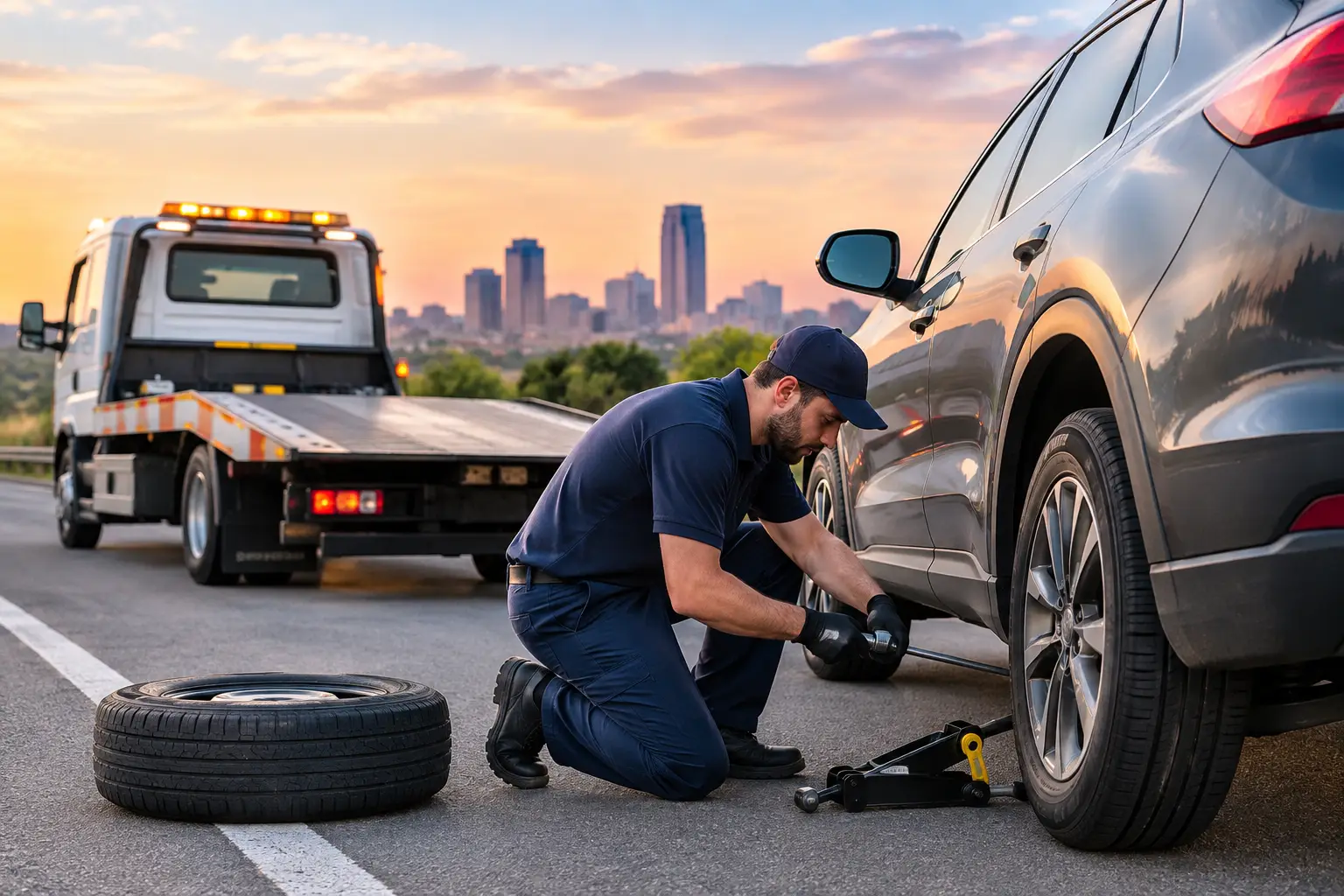
One of the first questions people ask is whether they need a tow truck at all. That depends on what failed and where the vehicle is sitting. A dead battery, flat tire, or lockout can often be handled on site. If the vehicle was in an accident, will not shift into neutral, has suspension damage, overheated badly, or has an issue that makes it unsafe to drive, towing is usually the right call.
Another common question is how long it takes for a truck to arrive. The honest answer is that it depends on traffic, weather, call volume, and where the vehicle is located. A car on a busy stretch of I-44 is a different dispatch than a vehicle in a quiet residential area or a tight parking garage. What matters most is getting a clear ETA and updates if conditions change.
People also ask what information they should have ready before calling. Keep it simple. The exact location, the type of vehicle, what happened, and whether the car can roll or steer are the biggest details. If the vehicle is stuck, low clearance, or electric, that should be mentioned early so the right equipment is sent from the start.
What drivers usually want to know first
A lot of towing questions are really trust questions. Drivers are not just asking whether a truck can show up. They are asking whether the person handling the vehicle knows what they are doing.
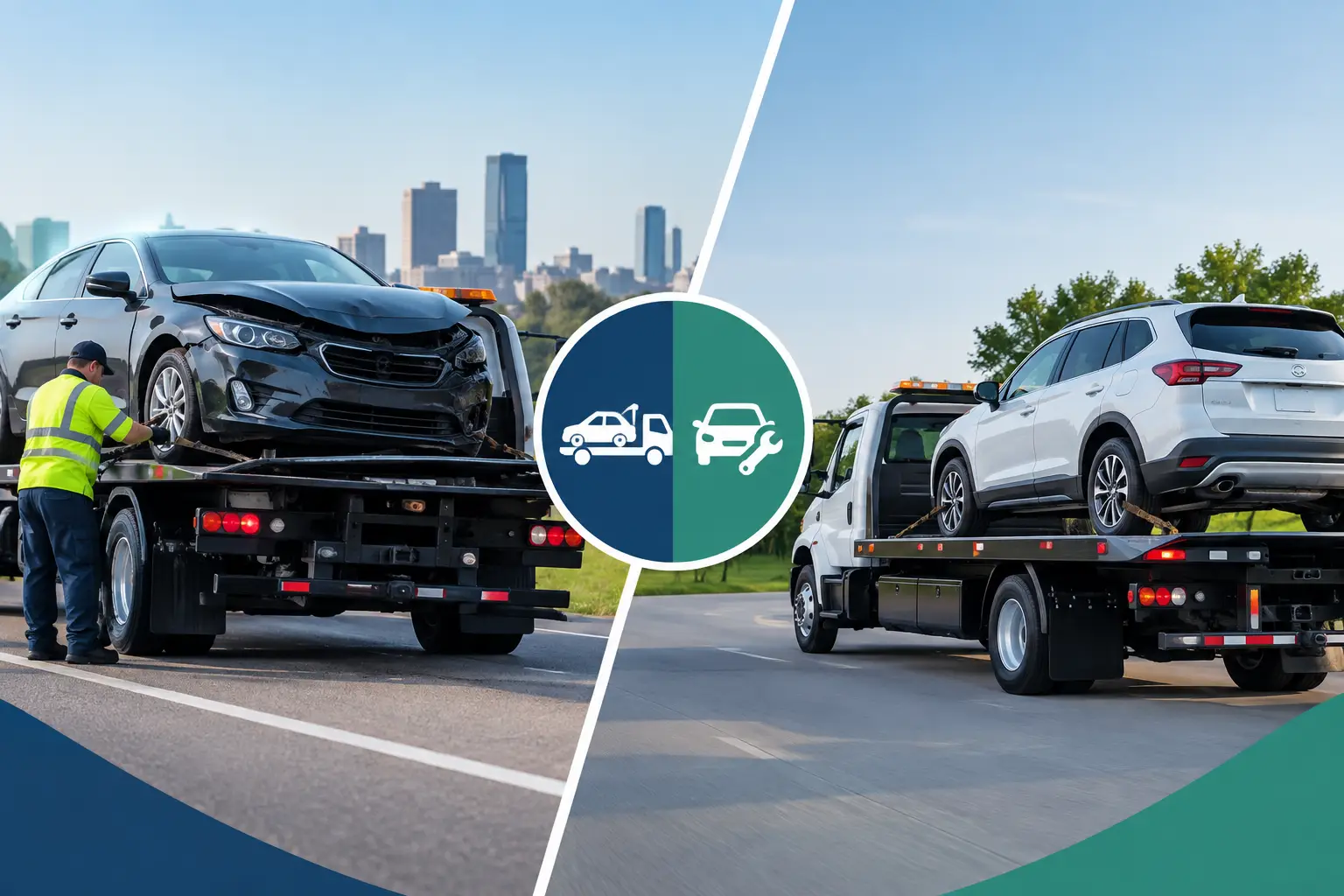
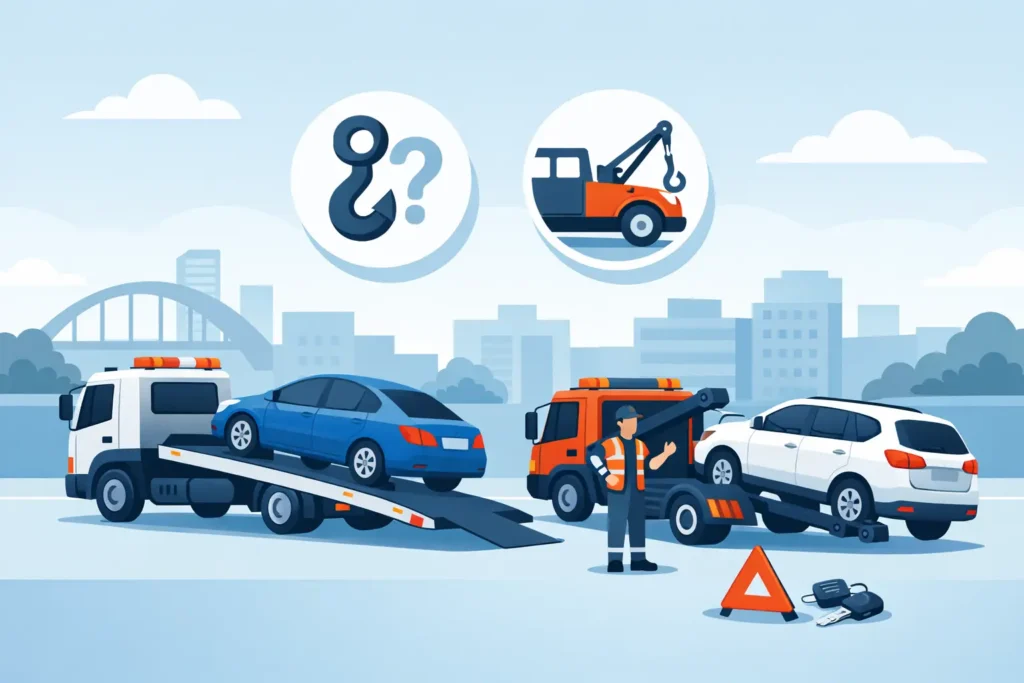
That is why flatbed towing comes up so often. A flatbed keeps all four wheels off the ground during transport, which is usually the safer option for damaged vehicles, low cars, all-wheel drive vehicles, trucks, and EVs. Not every job absolutely requires a flatbed, but when the goal is damage-free transport, proper loading matters more than rushing the hookup.
People also want to know if their vehicle can be taken to a repair shop, dealership, home, or another local destination. In most normal towing situations, yes. The important part is giving the destination clearly when the call is placed so the job is dispatched correctly and there is no confusion once the truck arrives.
Frequently asked questions about roadside assistance
Roadside assistance sounds simple until you are the one stuck. A driver with a dead battery may wonder whether a jumpstart is enough or whether the battery is too far gone. A flat tire may be quick if there is a usable spare, but not if the spare is missing, damaged, or the wheel itself is compromised. That is why roadside calls are often assessed on scene instead of guessed over the phone.
Lockouts are another common question. In many cases, a vehicle can be opened without damage when handled with the right tools and technique. The key point is not forcing entry or trying random methods first. Modern vehicles can be harder to access than people expect, and careless attempts can create glass, weather seal, or door frame problems that cost more than the original lockout.
Drivers also ask about winch-out service. If a vehicle slid into mud, a ditch, a curb edge, or an uneven shoulder and cannot move safely under its own power, a controlled winch-out may solve the problem without a full recovery situation. But there is a trade-off. If the angle is bad, the ground is unstable, or the vehicle has underbody damage, towing after the pull may still be the safest next step.
Can a tow truck handle my type of vehicle?
This question matters more now than it used to. Not every vehicle can be treated the same way, and that is where real experience shows.
Low clearance cars need careful loading angles so the bumper, lip, or underbody is not scraped. Heavy-duty pickups need the right setup and weight awareness. Electric vehicles need to be moved correctly, especially if they are disabled, have battery concerns, or have specific tow points that should not be guessed at. Tesla owners ask this a lot, and they should. EV towing is not complicated when the operator knows the process, but it is not the place for trial and error.
Accident vehicles are another category people worry about. If a wheel is damaged, the steering is compromised, or parts are hanging loose, loading has to be slow and deliberate. The goal is not just to get the vehicle on the truck. It is to prevent extra damage while doing it.
What affects towing cost?
Price is one of the most frequently asked questions, but there is no honest one-size-fits-all answer. Cost depends on distance, vehicle type, where the vehicle is located, whether it rolls freely, and whether extra work is needed to load it safely.
A simple city tow from a parking lot is different from an accident tow on a highway shoulder. A straightforward roadside jumpstart is different from a vehicle that is stuck and needs to be recovered before it can even be loaded. If the vehicle is in a garage, blocked in, or has damage that changes how it must be handled, that can also affect the job.
What drivers usually want is not the lowest number thrown out fast. They want a clear explanation of what the service includes and whether there are any special conditions that could change the final price. Straight answers matter more than vague estimates.
What should you do while waiting for the tow truck?
If the vehicle is in traffic or on the shoulder, safety comes first. Move as far out of traffic as possible if the vehicle can still roll safely. Turn on the hazard lights. If the area feels unsafe, stay clear of moving traffic and avoid standing near the vehicle on a busy roadway.
If you are in a parking lot or neighborhood, use the wait time to gather anything you need from the vehicle, locate your keys, and decide where the car should be taken. It also helps to keep your phone close and watch for calls, since the driver may need help locating the exact spot.
One thing people sometimes ask is whether they should try one more fix before the truck arrives. Usually, if the vehicle already failed in a way that feels serious, forcing it is not worth the risk. Trying to drive on a damaged tire, dragging a car with steering issues, or repeatedly restarting an overheating engine can make the problem worse.
How do you know you are calling the right towing company?
Most drivers are making that decision under pressure. They are not doing a long comparison. They are looking for signs that the company is local, clear, and experienced enough to handle the job without drama.
Good signs are simple. Clear answers on the phone. Questions about the vehicle and situation that actually make sense. A focus on where the car is, what it is doing, and how it will be moved safely. If a company sounds rushed, vague, or unconcerned about the type of vehicle, that is usually not a great sign.
For local drivers, it also helps when the company understands the area. A breakdown on US 75, a disabled vehicle near Tulsa Hills, or a tight pickup in Midtown all come with different access and traffic conditions. Tulsa Towing, powered by Neptune Towing, is built around that kind of city-focused dispatch and straightforward service.
The best towing call is the one that makes the next step clear. You know who is coming, what they need from you, and where your vehicle is going. In a stressful roadside situation, that kind of simple, steady communication goes a long way.