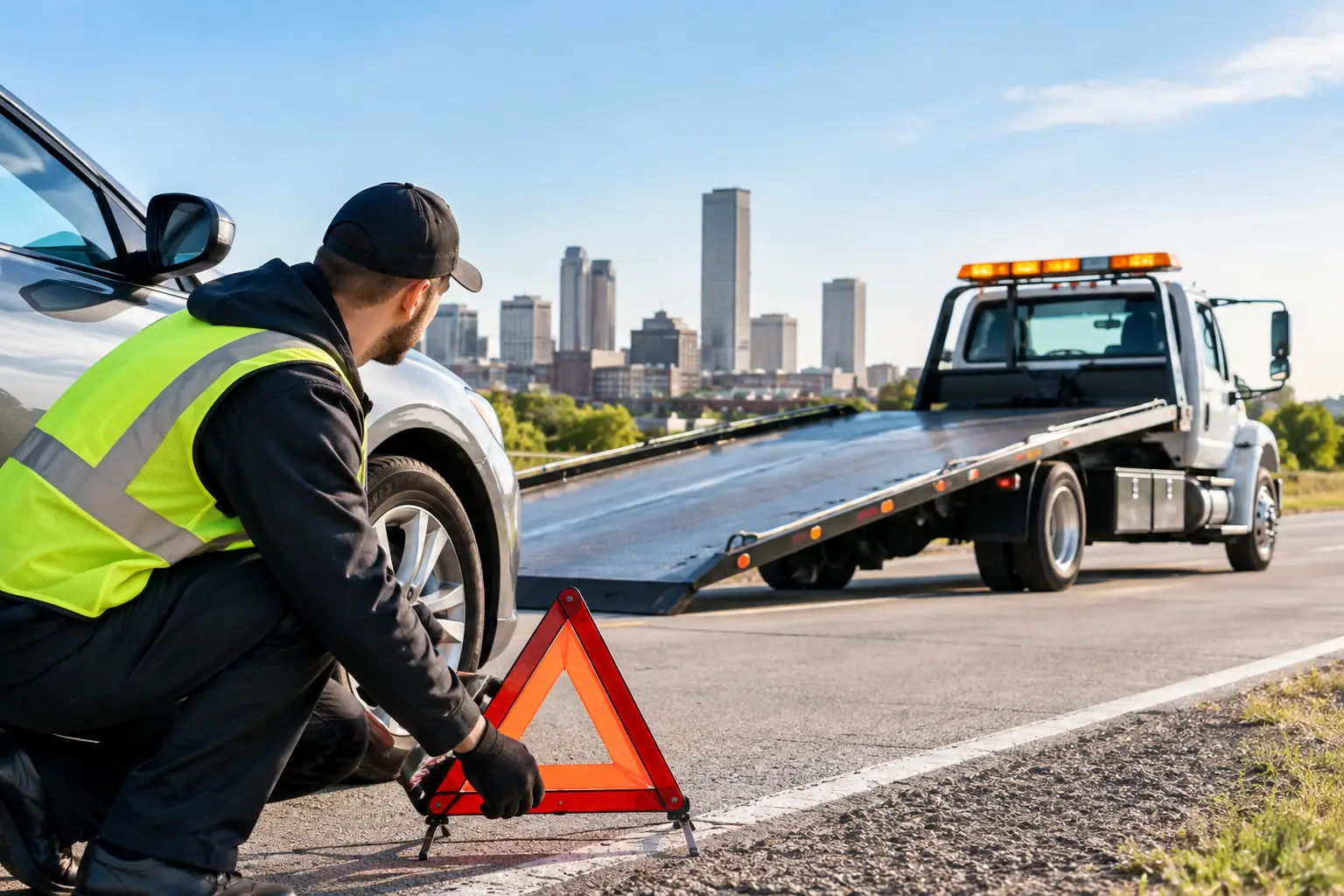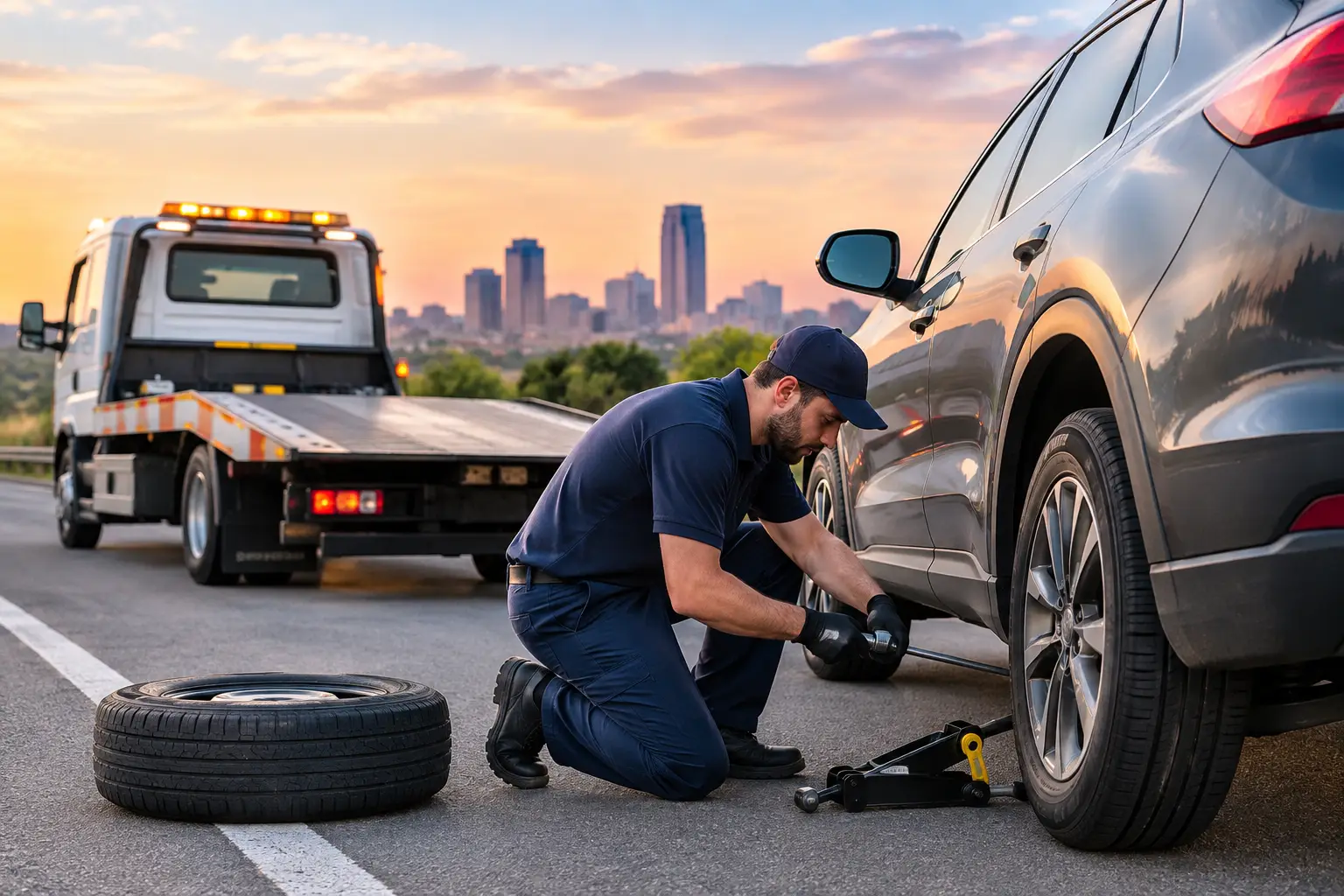
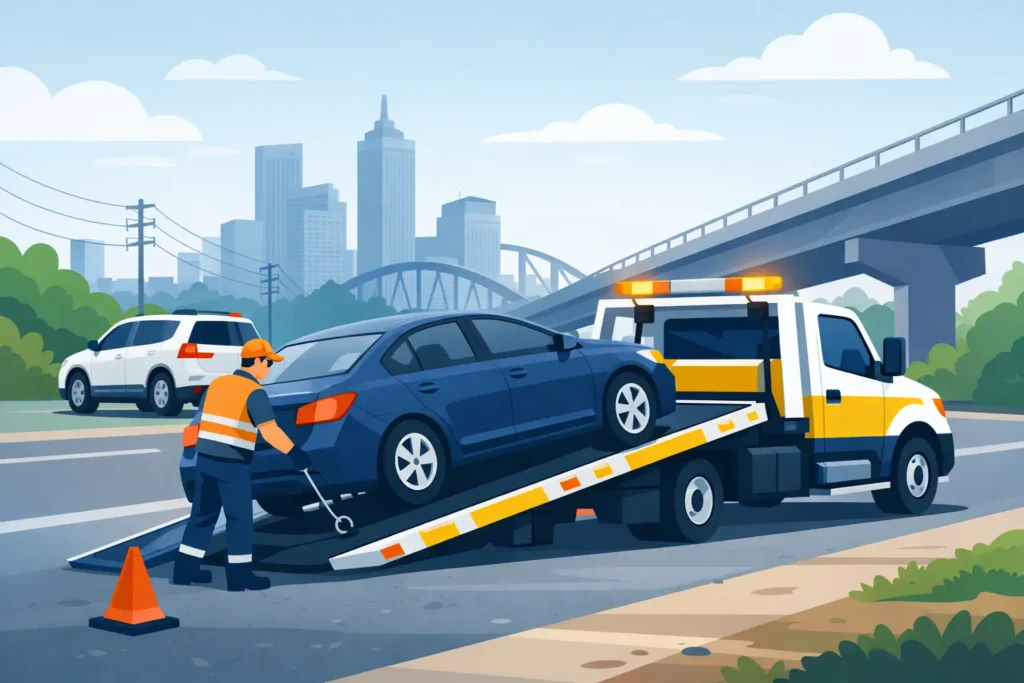
A bad breakdown usually starts with confusion, not the actual mechanical problem. Your car loses power in traffic, you hear a blowout on the shoulder, or you turn the key and get nothing. In that moment, a tow truck blog should do one thing well – help you figure out what happens next without wasting your time.
If you are stuck on a roadside in Tulsa, or dealing with a disabled vehicle in a parking lot, the main question is simple. Do you need roadside help on site, or do you need the vehicle moved safely on a flatbed? Knowing that difference can save time, prevent extra damage, and make the whole situation less stressful.
What a tow truck blog should actually help with
A lot of towing content misses the point. Drivers searching for help are not looking for broad car advice or long explanations about the towing industry. They need clear information they can use when the vehicle will not move, or should not be driven.
A useful tow truck blog should answer practical questions fast. Is the problem something that can be handled where the vehicle sits? Is the car safe to roll? Does it need a flatbed because of ride height, drivetrain, accident damage, or battery issues on an EV? Those are the details that matter when time is short.
It should also explain what good towing looks like. Careful loading, the right equipment, and clear communication are not extras. They are the difference between getting the vehicle where it needs to go and creating a second problem during transport.
When roadside assistance is enough
Not every call needs a full tow. Sometimes the fastest solution is handling the issue on site and getting you moving again.
A dead battery is the most common example. If the battery is simply drained and the vehicle is otherwise in good shape, a jumpstart may be enough. The same goes for a flat tire if the spare is usable and the vehicle is in a safe place to work. Lockouts are another situation where the right tools and a careful approach can solve the problem without needing transport.
That said, it depends on the condition of the vehicle. A flat tire is not always just a tire issue. If the wheel is damaged, the tire shredded at highway speed, or the vehicle is sitting in an unsafe area, towing may be the better call. The same goes for a battery issue that points to a charging system problem. Getting it started is one thing. Keeping it running long enough to reach a shop is another.
When a tow is the safer move
There are times when driving the vehicle, even for a short distance, is the wrong choice. Accident damage is the obvious one. If the steering feels off, a wheel is pushed out of position, fluids are leaking, or body damage is rubbing the tire, the vehicle needs to be transported, not limped down the road.
Breakdowns on major roads are another example. If you are on I-44, US 75, or another high traffic stretch, safety comes first. The longer a disabled vehicle sits exposed near moving traffic, the more risk there is for everyone around it. In that kind of situation, fast dispatch matters, but so does knowing how to load quickly and correctly once the truck arrives.
Low-clearance cars, all-wheel-drive vehicles, heavy-duty pickups, and electric vehicles often need more than a basic hookup. Flatbed towing is usually the safest method because it keeps the vehicle fully off the road and reduces the chance of damage during transport. That matters even more when the car already has a mechanical issue, suspension damage, or limited ground clearance.
Why flatbed towing matters more than people think
A lot of drivers only think about towing once something goes wrong. They are focused on getting off the road, not on how the vehicle is moved. That is understandable, but the method matters.
Flatbed towing gives better control from start to finish. The vehicle is loaded onto the bed instead of being pulled with two wheels rolling. That reduces wear during transport and helps protect vehicles that should not be towed conventionally. It is especially important for EVs, many newer drivetrains, and vehicles with damage that makes rolling unsafe.
It also helps in real-world situations that are not perfectly clean or simple. Tight parking garages, awkward angles in apartment lots, lowered cars, and trucks with larger tires all require experience. There is no one-size-fits-all setup in towing. The right approach depends on the vehicle, where it is sitting, and what condition it is in.
A tow truck blog should talk about damage prevention
Most drivers are not worried about towing until they have to hand over the keys. Then the concern changes fast. They want to know their vehicle is not going to get scraped, dragged, or mishandled.
That concern is valid. Damage prevention starts before the vehicle even moves. The operator needs to assess the approach angle, wheel condition, ride height, and whether the car can be safely shifted or rolled. If any of those details are ignored, loading gets rough in a hurry.
Good towing is usually quiet and controlled. The truck is positioned correctly. The equipment matches the vehicle. The load is secured the right way. The destination is confirmed clearly, whether that is a repair shop, dealership, residence, or another safe drop-off point. It sounds simple because it should be simple, but only when the person doing it knows the work.
What to expect when you call for help
When people are stressed, they do not want a complicated process. They want to know three things quickly – whether someone can come out, how the vehicle will be handled, and where it can be taken.
The best towing calls are straightforward. You explain the location, the vehicle, and what happened. From there, the response depends on whether the issue needs roadside assistance or a tow. If the car is disabled after an accident, stuck in a bad spot, or not safe to drive, that should be clear right away. If it may just need a jumpstart, tire service, or lockout help, that can often be handled on site.
Clear communication matters here as much as equipment. A customer should not be left guessing about what kind of truck is coming or whether the vehicle can be moved safely. One reason local operators tend to handle these calls better is simple familiarity. They know the traffic patterns, common breakdown corridors, and how to get in and out of tight areas without wasting time.
Local conditions change the job
Towing in a city is different from towing across open highways, and even within the same metro, conditions change fast. A disabled car in Midtown, a pickup stuck near a construction area, and an EV in a downtown garage are all different jobs.
That is where local experience matters. In Tulsa, heavy traffic around Memorial, Riverside, Tulsa Hills, and the main highway routes can turn a simple call into a time-sensitive one. The issue is not just getting there. It is reaching the vehicle safely, setting up in limited space, and getting the load done without adding risk.
That local, hands-on approach is part of why owner-operated service tends to feel different. Tulsa Towing, powered by Neptune Towing, keeps the process focused on fast dispatch, safe flatbed transport, and clear communication instead of adding unnecessary complications.
The real value of a good tow truck blog
The value is not entertainment. It is clarity when the day goes sideways.
A good tow truck blog helps drivers make better decisions under pressure. It tells them when roadside assistance may solve the problem, when towing is the safer move, and why proper loading matters for everything from family sedans to Teslas and heavy-duty trucks. It respects the fact that nobody reading it wants a lesson in towing theory. They want real information they can trust when their vehicle is stuck and they need a plan.
If you ever find yourself on the shoulder, in a parking lot, or unable to get your vehicle moving, keep it simple. Focus on safety first, then get help from someone who knows how to move the vehicle the right way.