A bad tow can turn a breakdown into body damage, drivetrain problems, or a much bigger repair bill. That is why the top towing mistakes drivers should avoid are not small details. They are the difference between getting your vehicle moved safely and creating a second problem while you are already stuck.
Most drivers only think about towing when something has already gone wrong. The car will not start, a tire blew out on I-44, or the vehicle is blocking traffic in a parking lot. In that moment, people make fast decisions. Some are fine. Some lead to avoidable damage.
Top towing mistakes drivers should avoid before the truck arrives
One common mistake is not telling the towing company exactly what vehicle they are dealing with. Make, model, and location matter, but so do the details people often leave out. If the car is all-wheel drive, lowered, stuck in a garage, facing the wrong direction, or has front-end damage, that changes how the tow should be handled.
This is especially true with electric vehicles and low-clearance cars. They are not impossible to move, but they do need the right equipment and the right loading approach. If those details are skipped on the call, the wrong truck may show up or the job may take longer than it should.
Another mistake is assuming every tow is the same. It is not. A short move across town still needs proper loading points, correct winching, and secure tie-downs. A vehicle that can roll freely is different from one with locked wheels or suspension damage. Towing is simple when it is done correctly, but it is not guesswork.
Drivers also make the mistake of waiting too long in an unsafe spot. If your car is disabled on US 75, Highway 169, Riverside, or a tight shoulder downtown, staying with the vehicle in the wrong position can put you at risk. If you can move to a safer area, do it. If you cannot, call quickly, turn on your hazards, and focus on staying visible and out of traffic.
Using the wrong towing method
This is where a lot of damage starts. Some vehicles should not be pulled with two wheels on the ground. All-wheel drive systems, many electric vehicles, and certain trucks or performance cars can be damaged if they are moved the wrong way.
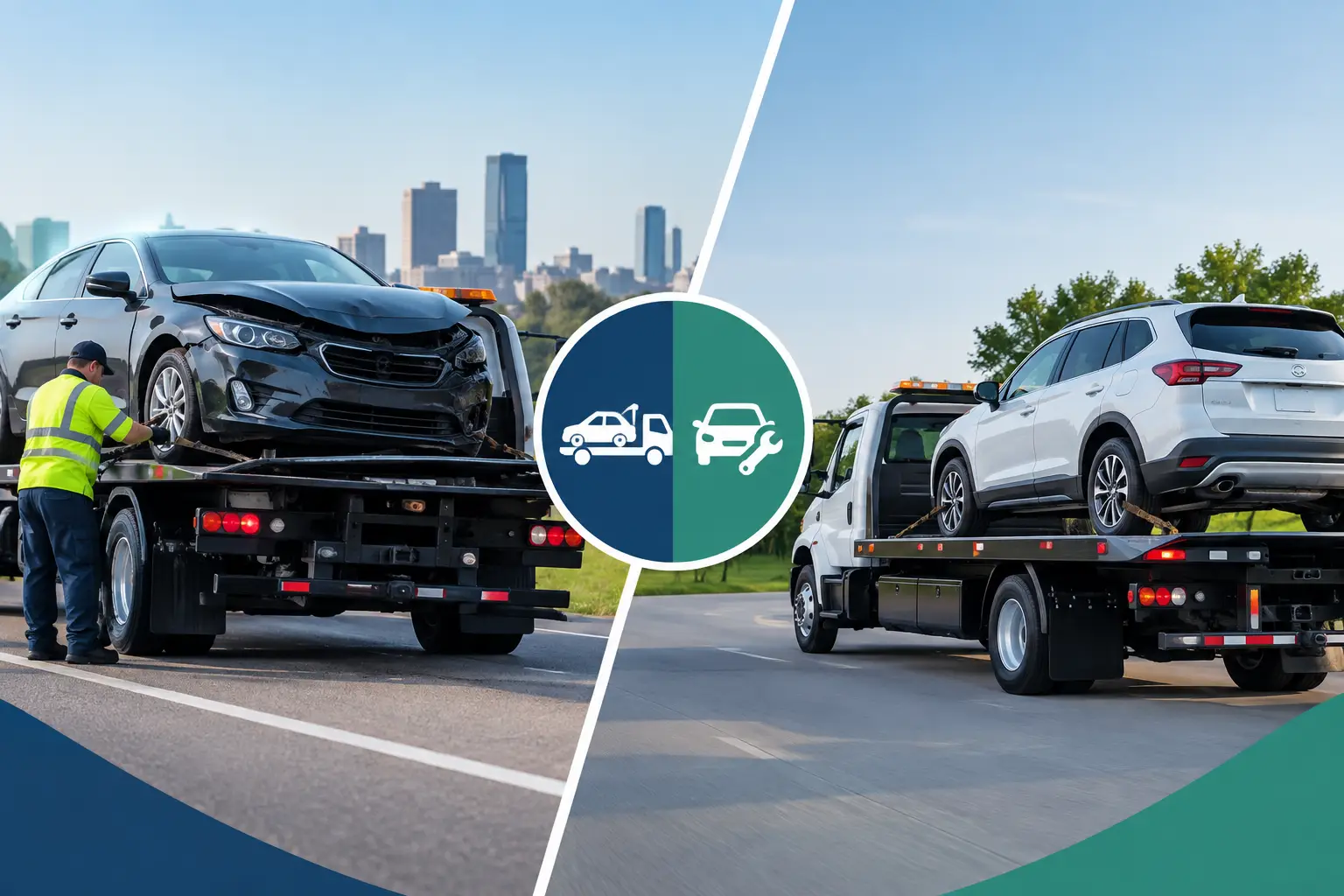
Flatbed towing is often the safer choice because the entire vehicle is lifted off the road. That reduces wear, avoids drivetrain issues, and gives better control during transport. It is also the better option when a car has accident damage, steering problems, or very low clearance.
The mistake drivers make is saying yes to whatever method sounds quickest without asking whether it fits the vehicle. Quick is fine if it is also correct. If it is not, the time saved at pickup can turn into expensive repairs later.
Why vehicle type matters more than most drivers think
A half-ton pickup with plenty of clearance is one thing. A Tesla, a sports car, or a front-wheel-drive car with suspension damage is another. Even the same tow route can require a different approach depending on weight, ride height, wheel condition, and where the car is being delivered.
This is why real towing experience matters. A careful operator looks at the vehicle first, then decides how to load it safely. Rushed towing tends to work the other way around.
Leaving the vehicle unprepared for pickup
A tow goes smoother when the driver does a few basic things before the truck arrives, if it is safe to do so. Put the vehicle in neutral if possible, release the parking brake if the car can be moved safely, and remove any personal items you need right away. If the steering is locked, mention that before loading starts.
What you should not do is try to force the car into a condition it is not in. If the shifter is stuck, the wheel will not turn, or the battery is fully dead, do not keep fighting it. That information helps the tow operator prepare. It does not help to hide it.
A related mistake is leaving valuables or important documents behind and only realizing it after the tow is complete. In an emergency, that is easy to do. Take a minute to grab your phone charger, wallet, work bag, or anything else you are likely to need before the vehicle is loaded.
Choosing based on price alone
Nobody wants to overpay for a tow. That is reasonable. But going with the lowest number on the phone without asking how the vehicle will be handled is one of the more expensive mistakes drivers make.
A low quote does not tell you whether the truck is the right one, whether the operator is used to handling low-clearance or disabled vehicles, or whether the process will be explained clearly. A damaged bumper, scraped underside, or towing delay usually costs more than the difference between two quotes.
It is better to ask practical questions. What type of truck is coming? Can they handle your vehicle safely? Are they taking it directly where you need it to go? Clear answers matter more than a price that sounds good for thirty seconds.
Not explaining where the car needs to go
This sounds obvious, but it causes problems all the time. Some drivers just say they need a tow and forget to confirm the exact destination, whether the shop is open, or whether the vehicle needs to be placed in a certain area.
If the repair shop is closed, the drop-off may still be possible, but only if there is a safe and approved place to leave the vehicle. If the car is going to a dealership, body shop, or home address, access matters. Narrow drives, steep entrances, and after-hours drop procedures all affect the job.
In Tulsa, that can make a real difference. A vehicle coming out of a parking garage in Midtown is not the same as a pickup on the shoulder near Tulsa Hills or a disabled SUV in a residential area in Broken Arrow. The more accurate the information, the smoother the tow.
Trying to tow the vehicle yourself
This is one of the biggest mistakes on the list because it carries safety risks, not just repair risks. Drivers sometimes try to pull a disabled car with another vehicle, a strap, or a rented dolly without checking whether the setup is actually safe for that car.
Sometimes it works for a very short move on private property. Sometimes it damages the transmission, bumper, steering components, or worse. On public roads, it also creates a hazard for everyone around you if the disabled car cannot brake or track correctly.
What makes this mistake more common is frustration. People are trying to solve the problem fast. But if the vehicle will not roll properly, has been in an accident, or is stuck in a difficult position, a proper tow is the safer move.
The roadside is not the place to improvise
Busy roads do not give you much margin for error. If you are near traffic, on an incline, or dealing with bad weather, improvised towing gets dangerous quickly. A professional setup exists for a reason. It controls the load, protects the vehicle, and keeps the roadside scene more manageable.
Failing to ask about damage-free loading
Drivers often assume safe loading is standard. It should be, but it is still worth asking how the vehicle will be loaded and secured. This matters even more for cars with low front ends, aftermarket wheels, or limited clearance.
Damage-free towing is not about fancy language. It means using the right angles, the right equipment, and the right tie-down points so the car gets from pickup to drop-off without fresh damage. That includes avoiding scraping, wheel damage, and improper securement.
If your vehicle is already disabled, the last thing you need is preventable handling damage on top of the original problem.
Forgetting that roadside safety comes first
When drivers are stressed, they focus on the car. That is understandable, but your safety comes first. If you are stopped in a dangerous area, stay out of moving traffic. If you are on a highway shoulder and it is not safe to remain inside or right next to the vehicle, move to a safer spot nearby if possible.
Keep your phone on, watch for the responding truck, and make yourself easy to locate. At night, parking lot corners, dark frontage roads, and narrow shoulders can make a simple tow call harder than it needs to be if the scene is not visible.
A good tow starts before the hook-up. It starts with accurate information, the right equipment, and a careful approach that fits the vehicle in front of you. If you remember that when things go sideways, you are far less likely to turn a breakdown into extra damage, extra cost, and extra stress.